Beyond Durban
We had a rip roaring sail along the coast between Durban and East London. With the coastal current running at upwards of 4 knots we were making 10 knots over the ground at times. We managed to cover the 255 miles in 36 hours. A record time for that distance. Yes, it was jumpy at times, wet at times but we were making miles which when one only has small weather windows to make a jump then it’s most important to try and make miles while one can.
Pulling into East London is simple. As for clearance from East London Harbour control on VHF Channel 12 then motor in a few miles along the channel to the anchorage off the East London Yacht Club. The club is open Wednesdays and Friday to Sunday. We arrived on Tuesday, anchored off the club and sat down to wait out the weather.
Here is East London:
-
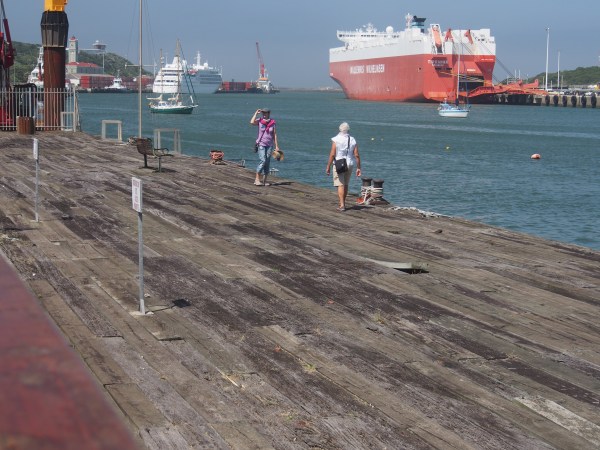
- On the derelict/condemned wharf on the opposite side of the river from the yacht club
-

- Looking across the river to the derelict dock
-

- East London Yacht Club docks
There aren’t many photos of East London for good reason. It was one of the most disappointing places we have been to in South Africa. The anchorage was safe and secure which is very important but there was little to be said positive about the town. The downtown area is very run down, it feels and looks unsafe, the waterfront was rocky and rough and the food shopping was dismal. On the positive side the yacht club was a pleasure. It was welcoming and they had showers and water on the docks. What else is to be expected.
We were glad a weather window opened up and we spent only 3 days there before heading on to Port Elizabeth. It’s only 120 miles between East London and Port Elizabeth with again a strong current in our favour giving us 7-8 knots for about 12 hours. The wind then started to die and from 0300hrs to 0900hrs we motored the remainder of the way.
There is another yacht club called the Algoa Bay Yacht Club, welcoming and space available. We tied up and tried to recover from a sleepless night and didn’t start exploring until the following day. To our surprise this has turned out to be a wonderful spot. There are marine stores close by, another friendly yacht club with a pleasant restaurant, a braii, a bar and best of all hot showers. We settled in seeing as the weather window wasn’t available to continue the trip.
Here’s Port Elizabeth:
-
- Port Elizabeth city hall
-

- Port Elizabeth public library
-

- Algoa Bay Yacht Club
-
- Alboa Bay YC docks seen from the patio bar
-

- OLYMPUS DIGITAL CAMERA
-
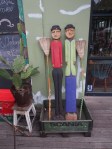
- Colonial kitchen entranceway
-

- Ummm, delicious kudu burger with eggplant slices instead of bun at Colonial Kitchen
-
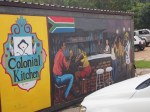
- Colonial kitchen mural
-
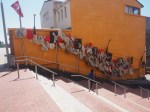
- Art walk PE – Rourte 67
-
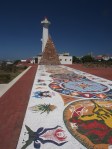
- PE lighthouse at the top of the Art Walk and Route 67 (referral to Nelson Mandela’s 67 years of work for South Africa)
-

- Another part of Art Walk – Route 67
And what else did we do other than eat great food and drink wonderful wine while in Port Elizabeth?
To start a walk on the beach at Cape Recife to see which point of land we were going to have to beat around the following day
-
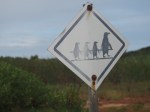
- Yes the main attraction was penquins
-
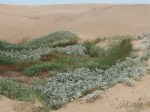
- More sand dunes. This one gathered around the lighthouse at Cape Recife
-

- Beachcombing
-
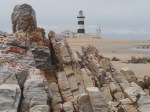
- Cape Recife lighthouse
-
- Lots of birdlife such as this oystercatcher
-
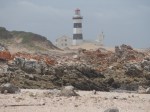
- Cape Recife lighthouse
And then there was Addo National Park which is covered with elephants
-
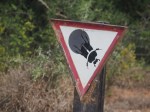
- Yes they are part of the wildlife and as such are protected
-

- Don’t cross a dung beetle. Remember you may be reincarnated as one
-

- This guy was seen trying to roll the dung up over the side of the road on a hill. Needless to say he was having a real hard time
-
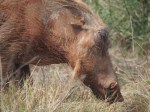
- I know I just can’t resist these guys.
-
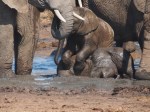
- Numerous waterholes abound in the park but this was the best one with lots of young elephants
-
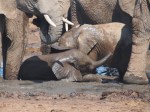
- Yeah Mum I’m watching out
-

- Play time
-

- resting time
-

- Guess who
-

- Connie and Kersten from Lop To
And then a little more walking around town just enjoying the buildings and the ambience.
-
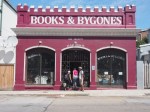
- Always on the lookout for a good bargain
-
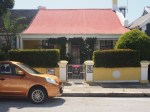
- This house had three bedrooms, a braii patio, living room, kitchen and two bathrooms. All for four CDN$90,000 in a very nice neighbourfhood
-
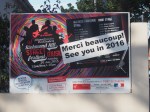
- Too bad we were too late or too early
Then it was off to Mossel Bay

Lop To and us trying to round Cape Recife without getting seasick
Setting sail
We have departed Durban for points south and west. Her’s our flight plan

Sesriem to Etosha
From Sesriem we headed towards the west coast of Namibia and the town of Walvis Bay. This route took us through the Namib-Nakluft National Park which is made up primarily of the Namib-Nakluft desert.

The route took us through Solitaire, a small settlement out what appears to be in the middle of nowhere. Solitaire is a small centre servicing not only the tourists passing through on the roads but also the local farming community. Like many of the small settlements we passed through they always provided a welcome relief from the desert surroundings and usually specialized in some tantalizing treat. In Solitaire’s case it was cinnamon buns and good coffee.

Welcome to Solitaire
Neat and tidy as usual, fuel, repairs if necessary, bakery, coffee shop and even a non-profit organization.
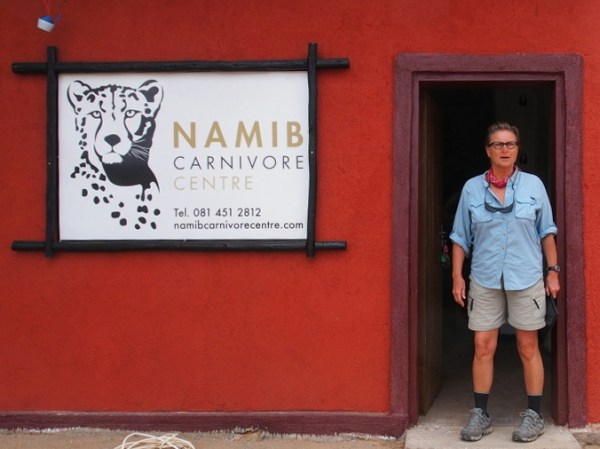
No it’s not, by any stretch of the imagination, Sania, the carnivore, although we tried our best to turn her into one! It was actually an organization focusing on the rehabilitation of leopards
There was also a pub but closed when we were there but the small hotel was open. There were great little gems dotted around some of which are in the below.
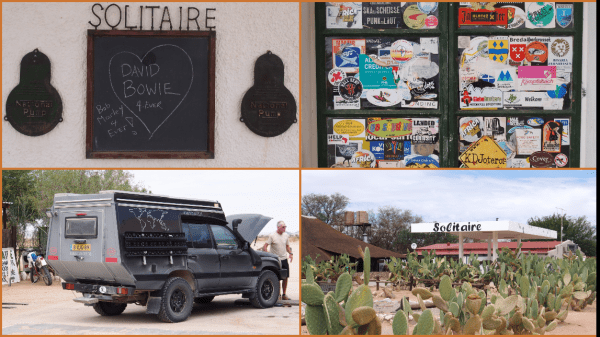
David Bowie had just died the day before and this was posted on the blackboard of the gas station. The stickers covered all the windows of the gas station. The cactus couldn’t be more representative of the area and the vehicle is just one of the many types of privately owned tourist vehicles we saw on the road.
Solitaire was the last stop we made before dropping down to the Namib-Nakluft desert and heading across to Walvis Bay. But before that we had a stop at the Tropic of Capricorn.
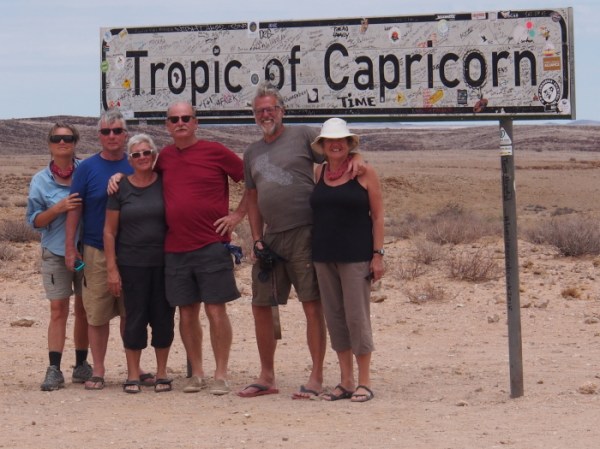
Sania, Rob, Connie, Tony, Sierd, Elsbie
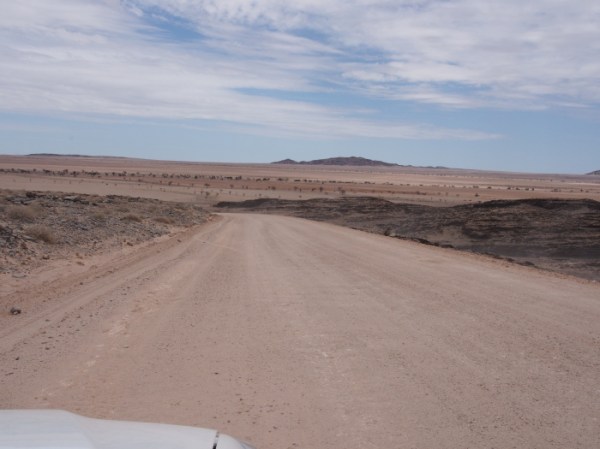
Starting the crossing of the Namib-Nakult desert
So this brings me close to explaining where I finished the previous post. There was never much traffic on the roads we travelled and we always travelled in tandem never losing site of the other vehicle other than for a short while.
Along the route to Walvis Bay I was driving the lead vehicle. We had lost sight of the vehicle behind with Sierd, Rob and Sania. I stopped at a large rock outcropping waiting for Sierd to catch up. Sitting there chatting we decided to turn into the road leading to the rock outcropping. With no-one else around I put the truck into reverse to back up to the turn off. Not looking I continued in reverse until I backed into Sierd’s truck not realizing they had caught up and parked behind me. The result:
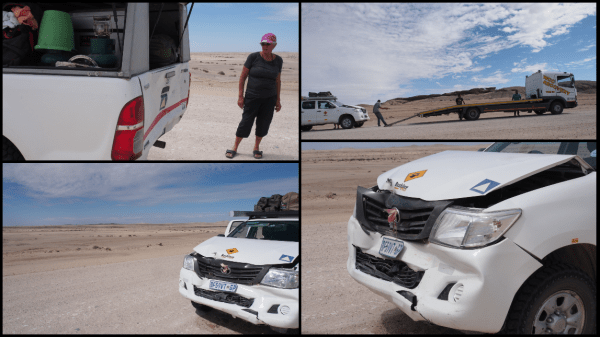
Upper left – Connie looking disgustedly at some damage, the towing vehicle, Sierd’s disable vehicle X 2
Yes, a disabled vehicle and the other a back drop-down gate that was badly dented. After a few phone calls and a few epithets thrown at me we sent one truck on to Walvis Bay while Rob and I waited in the truck for the towing vehicle. Thank god for cell phone coverage.
Within 90 minutes we were off to Walvis Bay in the tow truck and another couple of hours ensconced in a hotel. Numerous phone calls to Bushlore resolved our dilemma. Bushlore could not have been more understanding. I give them high marks for responding quickly and making arrangements for us to be back on the road. Yes, there were some expenses incurred but we lost a bit of time for sightseeing and got to experience a different Walvis Bay what with visits to wreckers yards, truck dealers etc.
Two replacement trucks were delivered to Walvis Bay and we were on our way once again. One truck was slightly different this time and an improvement.
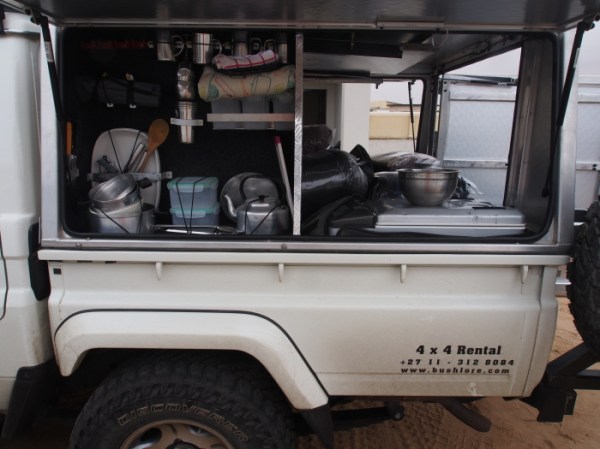
One of the replacement truck with a brilliant galley. Take note of the fridge on the right hand side. A great feature of all the trucks we had. Small but efficient and kept everything cool – mostly wine!
Walvis Bay only got a quick look around as we resolved transportation issues and after two nights we were on our way north towards Swakopmund and Hentiesbaai. We spent only a short time in Swakopmund before heading the Hentiesbaai, a very small German holiday settlement perched between the dunes of the desert and the cold-current washed west coast of Namibia.
Fog was a constant companion on the west coast with the cold current moving north through the ocean from the Antarctic where it meets the heat generated by the Namibian mainland. Fog rolls in from the ocean very similar to that found on the west coast of Canada.
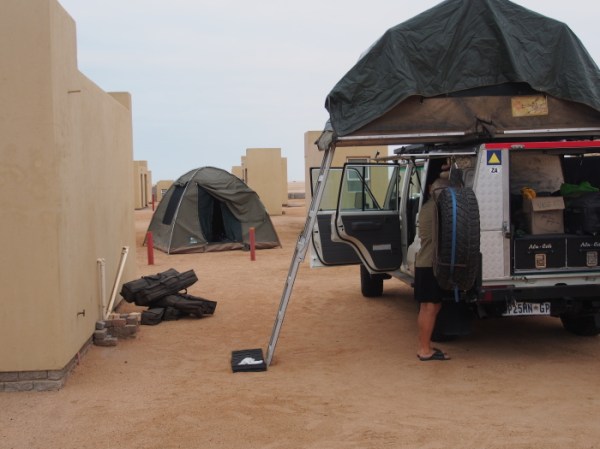
Hentiesbaai camp-site – flat, featureless but close to the small town. Each camp-site had its own ablution and cooking block. It is a fisherman’s delight being close to the ocean and the main road that runs up the west coast
It was cool and damp which was a relief from the intense heat and dryness of the interior. However, Etosha, the holy grail, was waiting and off we rushed inland.
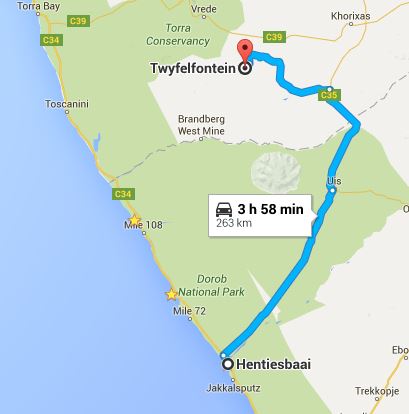
Before getting to Etosha we have a scheduled stop in Twyfelfontein, a place that has been inhabited for some 6,000 years and is the site of some spectacular rock engravings.
So, back across the desert and up into the hills around Twyfelfontein.
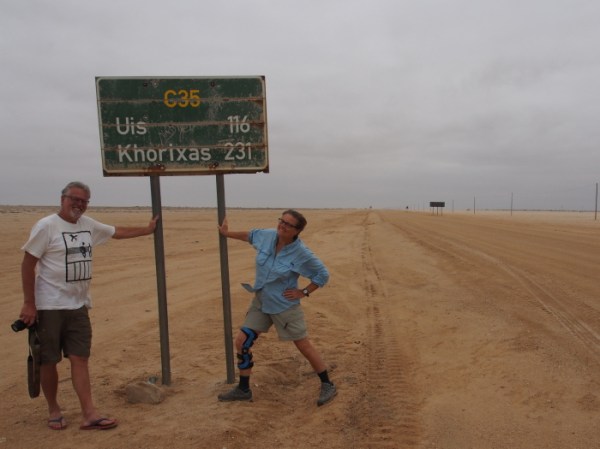
Sierd and the bionic woman, Sania, off to the side of the road searching (see pic below) for gems purported to be lying in the desert for the picking. If they only knew what they were looking at.

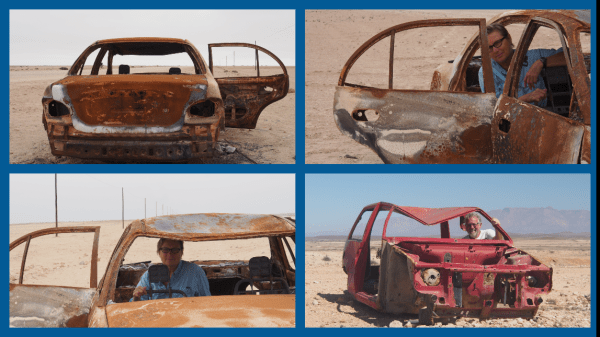
Sania and Sierd testing out the durability of desert vehicles. Perhaps left over from the filming of the most recent Mad Max film?

And then, with a new desert car, a trip to the mall
A real treat awaited us in Twyfelfontein. Not only were we approaching a World Heritage Site but after a search we found an amazing private campground that was linked to a hotel. The campground was nestled amongst large boulders with consideration given in design to limit the visual impact yet provide a comfortable camping spot.
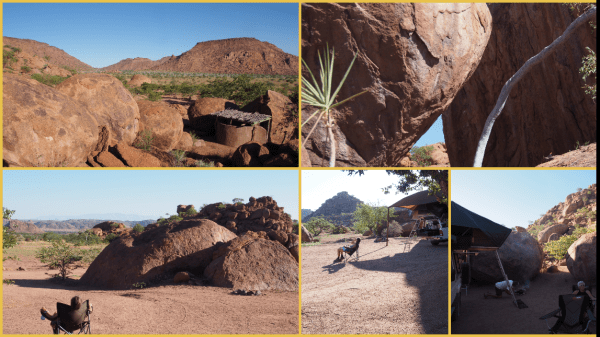
Great view over the valley. I’ve never been to New Mexico but this is the landscape I envision for that area of the world. Stunningly beautiful
Only one night was spent here unfortunately. We spent the following day taking a walking tour of the World Heritage Site. Unfortunately the photos of the engravings don’t show well. Our tour guide walked us through the site providing an excellent narrative of the history and the importance of the site. One reason for its existence was the water hole which acted as a magnet to the indigenous populations. Today things are drying up and the fauna changing.
On to Etosha and the main southern entrance to the park, Okaukuejo.
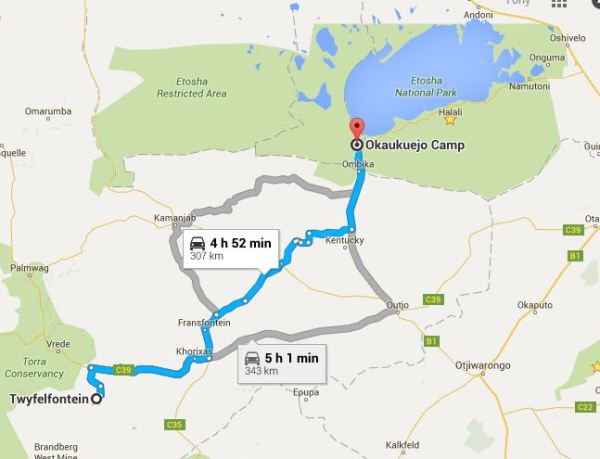
Etosha is part of a large wildlife park which, at the time of the year we visited, was supposed to be in the middle of the wet season. However, with a 3 year drought persisting the large salt pan which makes up a good part of Etosha was dry. This is an advantage as it concentrates the animals into those areas that still do have water available. In a normal wet season the animals are supposed to be scattered as water is more widely available.
I don’t pretend to be a wildlife photographer so here I am only giving you a taste of what we saw in terms of animals. Both birds and other wildlife were in abundance, the camping was good with empty sites, viewing water holes a short site from the campsite and cold beer at the restaurant as well as a swimming pool to gather around in the hottest part of the day.
We spent 4 days in Etosha – two nights at Okaukuejo and two nights at Halali. We usually got going early in the morning and drove out of the campsites to see a few animals amongst the numerous back roads and then returned for lunch and a huddle around the pool. Then in the late afternoon some left in trucks again to catch the last of the light and the animals. Dinner around the campfire and then over to the waterhole to watch the animals under lighted conditions. There you could stay all night with a constantly changing scene with different animals coming and going.
So, here’s Etosha
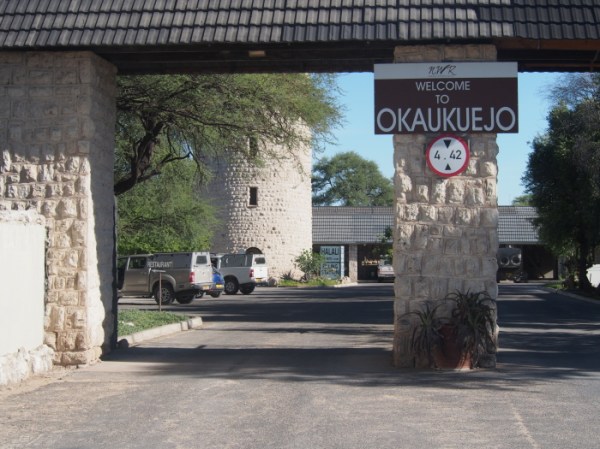
The beginning

Etosha Salt Pan
Elephants – always a pleasure to watch. And the African elephant is massive. They tower over most animals and seem to move without worry unlike most others who are always on the lookout for predators

Party time at the watering hole

Always an interesting mixture of animals vying for space and wary of each other
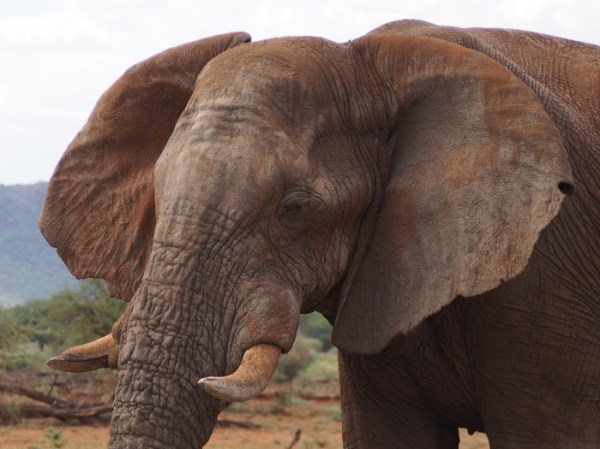
A grand old dame
Lions – a gem but not often seen by us. They were elusive but could sit and watch for hours
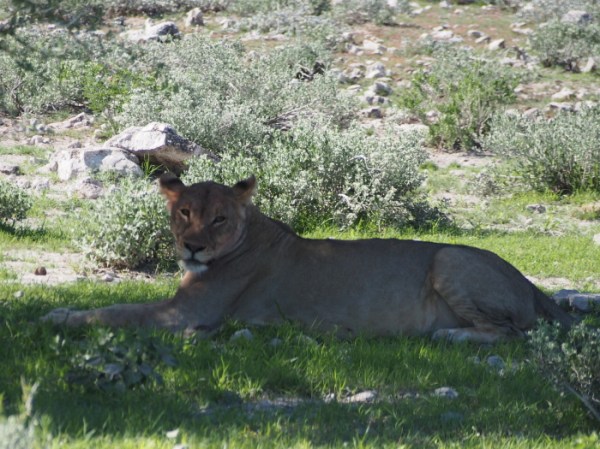
Time to relax after a tasty meal

Out looking for dessert
Giraffes – incredibly graceful. We generally saw them in larger groups and they were majestic to see moving over the landscape
Always an interesting mixture of animals vying for space and wary of each other

Wary is the word. Always watching and sometimes hours to get to water even though it’s a short distance away

Always time to relax
And believe it or not this is what giraffes eat. I’m not sure how that works but sure isn’t something I want to tangle with

Camelthorn
Zebras – they are incredibly picturesque and compete with elephants as the most enjoyable to photograph. They are also very numerous
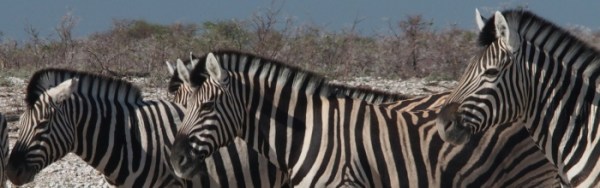
Looking good
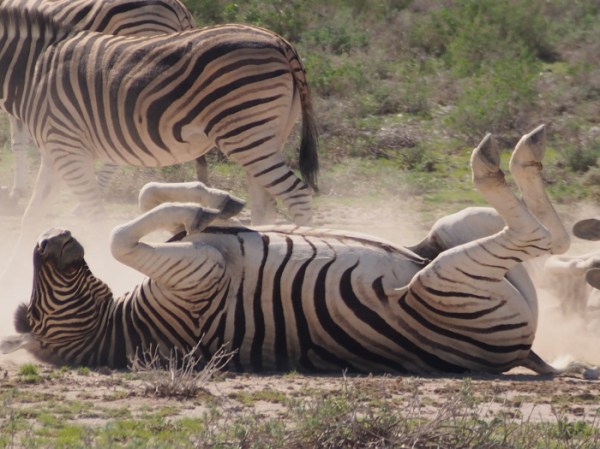
Ecstasy

Lovely mane
Rhinos – powerful. Not large when compared to an elephant but when you think of them charging the car, which they will do, then you play it careful

Power personified

They love to roll in mud

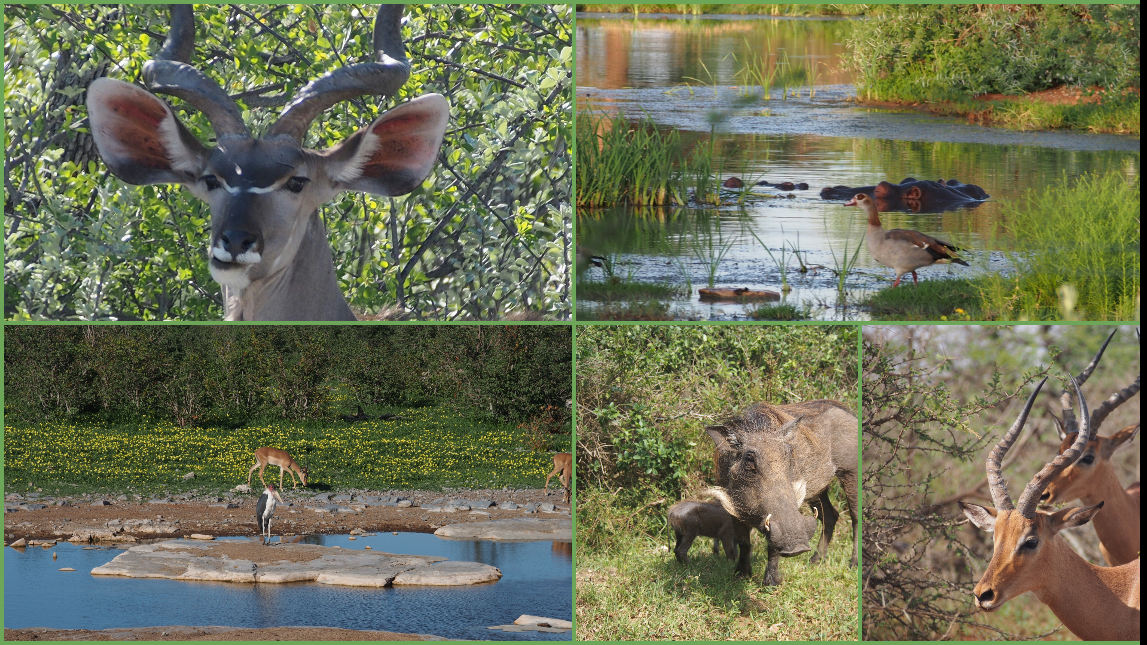
A variety
Cape Town to Sesriem

Saldanha Bay
I guess one starts close to where it all began. Saldhana Bay is still in South Africa and at this time we were trying to get used to our camping vehicles. We had two trucks between six people. It was perfect.
The two trucks had one tent each on the roof and the third tent was a ground tent.
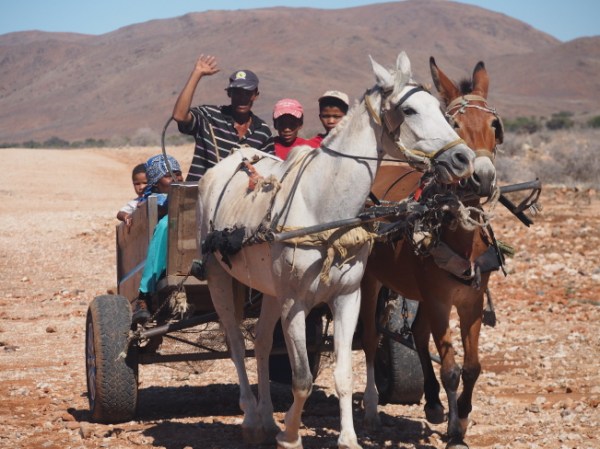
No wonder it took us a month to cover Namibia
Oh, I guess this was the wrong picture.
At times though it felt like we were going at this pace as miles after miles of desert does tend to make it all feel like one is at a standstill.

Two Toyota Hi-Lux trucks with storage compartments in the back and 1 tent each on the roof per truck
The camping configurations proved perfect. South African/Namibia weather is perfect for camping. (Rentals were from a company called Bushlore – can highly recommend) In 4 weeks we had only one day of rain even though it was the rainy season. The downside of this is that all the rivers were dry, animals were dying of thirst and crops are failing. This is the third year of drought for Southern Africa with Mozambique probably the one country currently suffering the most.
Starting our journey in Cape Town we headed north trying to get into Namibia as quickly as possible. One of our first stops was a viewpoint overlooking Saldanha Bay in South Africa’s West Coast National Park.
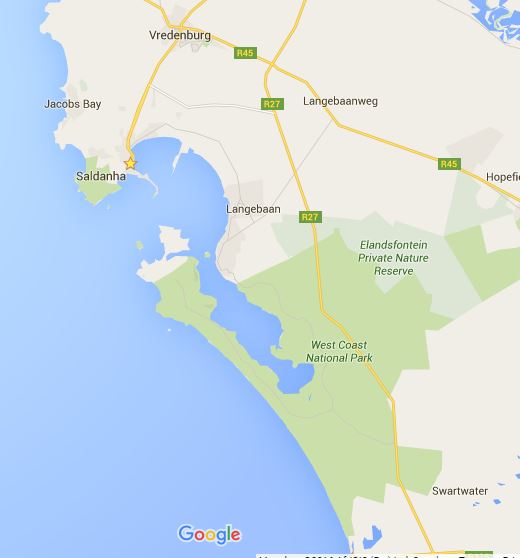
Saldanha Bay
From a sailing viewpoint this is a significant historical landmark having been a harbour used by sealers for many years but it was also a harbour entered by numerous very early explores from both the eastern and western hemispheres .To see the print on the plaque open photo in a separate window and all history will be revealed.

Fascinating
It’s a very shallow bay but provides excellent protection in all weathers. It was also the location of a fresh water spring, vital to sailing ships of previous centuries.
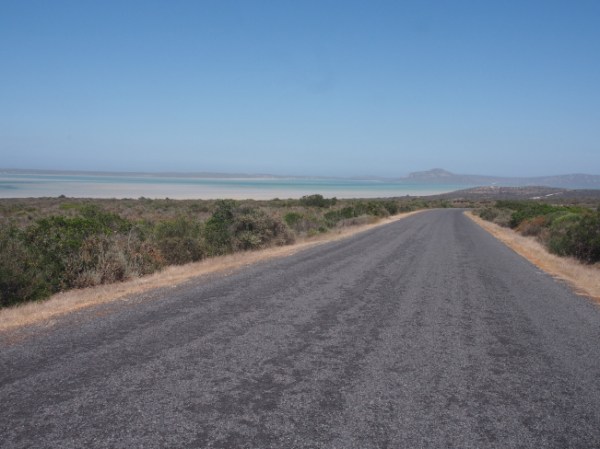
Coming down to Saldanha Bay
Onwards to the border we crossed into Namibia with no problems. Our first stop being Fish River Canyon with anecdotal information stating this is the next largest canyon to the Grand Canyon in the United States. We camped in Ais-Ais as rumour had it there were hot springs! Yes, who wants hot springs when the daytime temperatures rise over 32C? We arrived but the pools were empty for maintenance.
Maintenance? Yes, we were travelling in the wet and slow season. Wet it wasn’t but slow it was. All campsites were very quiet with only 4-5 other campers in an area that, on average, held 30 campers. It was heaven.
We spent a little time in the Fish River Canyon exploring. There was a great viewing site overlooking the canyon and here are a few pics from the main viewpoint which again had only 2 other tourists looking out at the view.

Thelma and Louise. Oops, no, it’s Rob and Sierd overlooking the Fish River Canyon
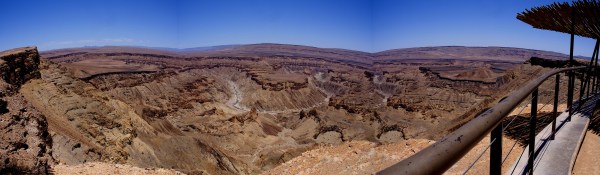
Fish River Canyon panorama view
From Fish River Canyon it was on to Helmeringhausen but not without stopping at Canon Roadhouse. Here, out in the middle of nowhere is this amazing coffee/coach stop/camping spot. The Roadhouse is part of a large conglomerate of tourist related businesses with interests in the South African and Namibia tourist trade. However I have to say they have done this amazing job of building a rest stop that is a must stop if you are travelling this way. The camping was also very comfortable complete with a pool to cool off in.
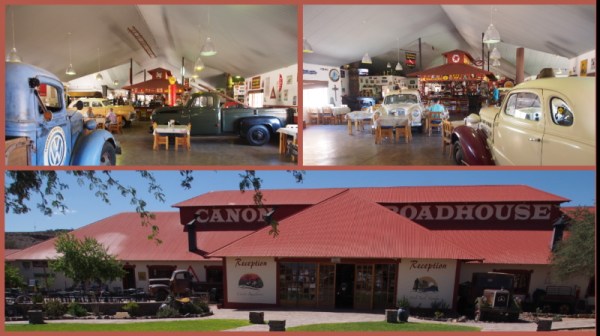
Interior and exterior of Canon Roadhouse
But what was most spectacular while we were camped there was a storm that moved in creating huge clouds of billowing sand and incredible colours in the sky complete with a rainbow.

That’s sand moving our way. Luckily the wind moved it off in another direction
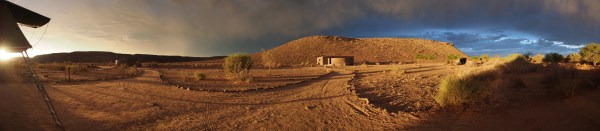
Canon Roadhouse storm sky
Time to move on and move on we did to Helmeringhausen and a visit with Moki. Funny, looking back on the trip one would have thought we would have been bored by the landscape with much of the trip being through desert like territory. However, I don’t think any of us got bored. At least speaking for myself I never tired of the landscape as it always changed in some minute way. It wasn’t a quick change but one that came slowly and suddenly one found themselves in a completely different environment.

Yes, it’s flat but never boring. Always watching for animals and small changes

Stunning landscapes
Finally we arrived in Moki’s home town, Helmeringhausen. A quiet little village of a few hundred people. It included a lovely little hotel with a very small, about 15, campsites. We were the only ones there and it included a great ablutions block, water at each site, a braai, picnic table with a roof overhead.
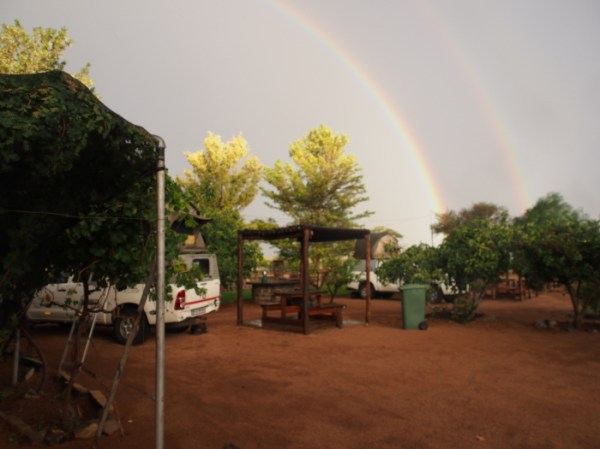
Helmeringhausen camp-site
We settled in nicely and had some time to ourselves catching up on various items.

Clockwise from upper left – Sania enjoying life as usual. Connie and Rob trying to figure out how to use the tire gauge, Elsbie hard at work writing postcards and Sierd, well, what does everyone do these days? On his cell phone!
I’ve mentioned Moki. Here is a picture of Moki
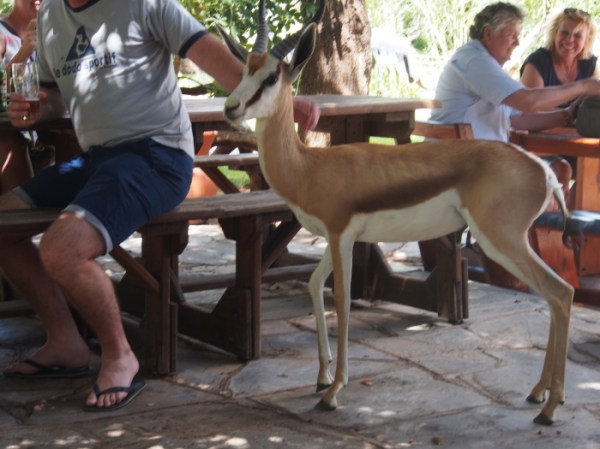
Moki – the pest
Yes, Moki is a springbok. He was rescued by the cook at the hotel after his mother was killed on the road just on the edge of town. Moki has grown up as the centre of attention at the hotel and tends to be extremely friendly. However, Moki is reaching puberty, or should I say past puberty. Now he’s a pest and believe it or not, in the campground, made a nuisance of himself trying to hump everyone in site. Now, it’s no easy matter taking a springbok by the horns and dragging him away but that’s what we would have to do. That worked a few times and he stayed away for a while but would always return. When he wasn’t happy he could use his horns in a very effective way and that drew the line at which time the hotel was called and Moki ended up in Moki jail i.e. a pen
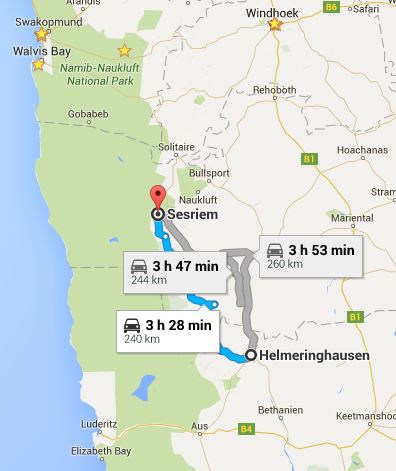
So much for Moki and his antics. On to Sesriem, a stunningly unusual place. I won’t say much here as the pictures tell most of the story. The photos begin with the approach to Sesriem in which the dunes can be seen from afar as though pillowy clouds.

Approaching the Sesriem area

In the middle of the Namib desert a road leading to where? Too enticing….
These dunes stretch over an incredible distance with a width of close to 200 miles and Sesriem is the entrance to Nakluft National Park and is the main tourist entrance to Soussesvlei . Soussesvlei is a salt pan surrounded by dunes and further along is Deadvlei, a salt pan with the remains of acacia trees.
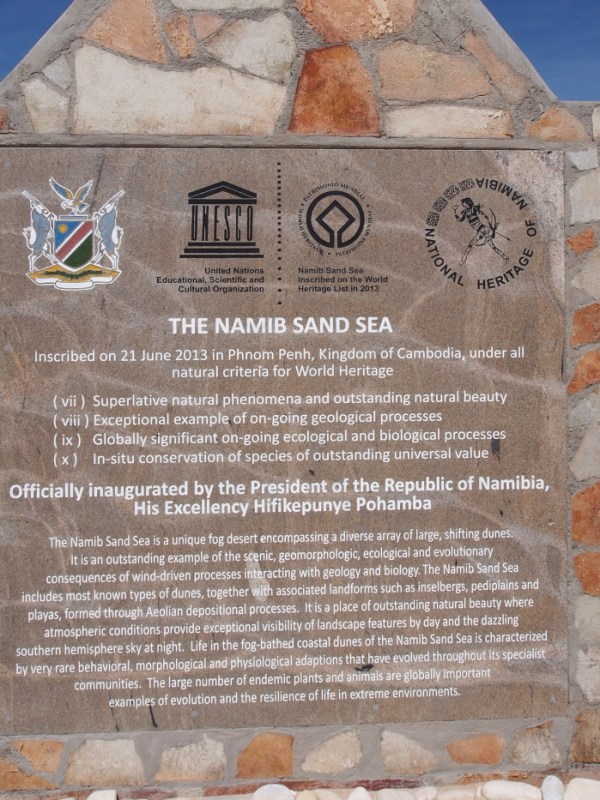
Namib Sand Sea
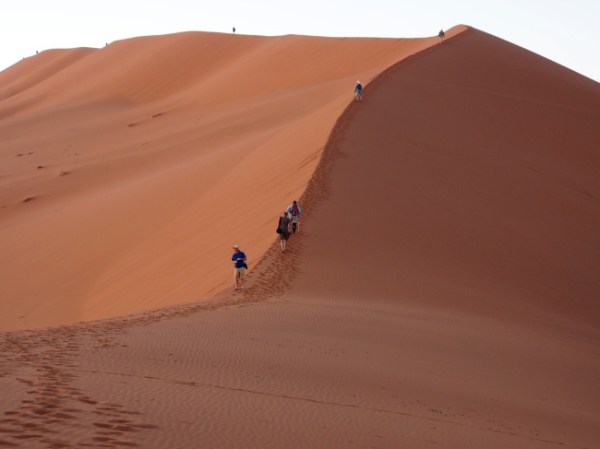
Get up at 0430hrs, drive 45 km then climb the dune. Umm, it’s worth it
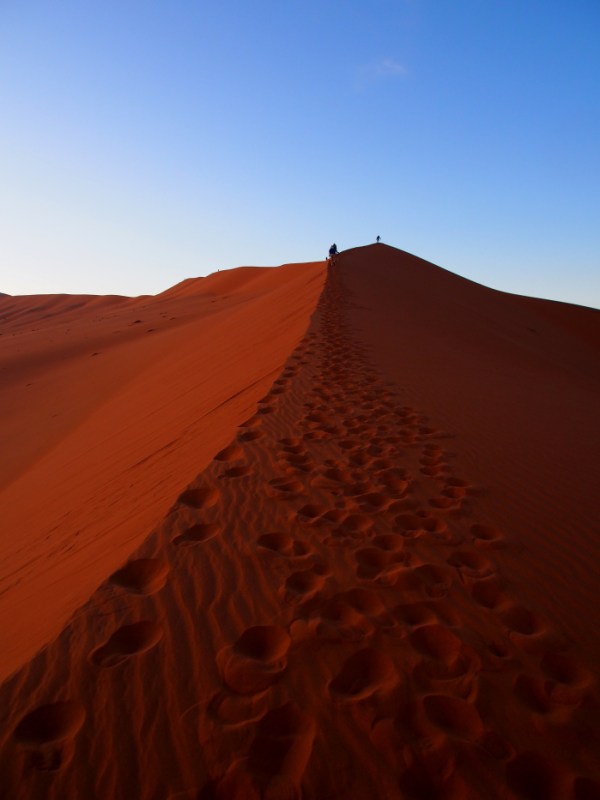
Getting there
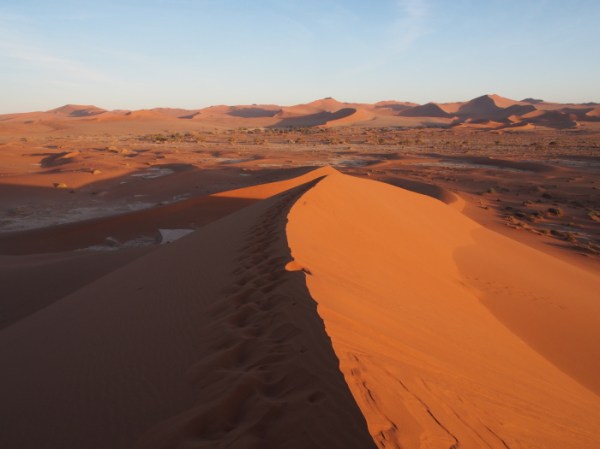
On top of Dune 45 and off to the left would be Deadvlei

Dune 45
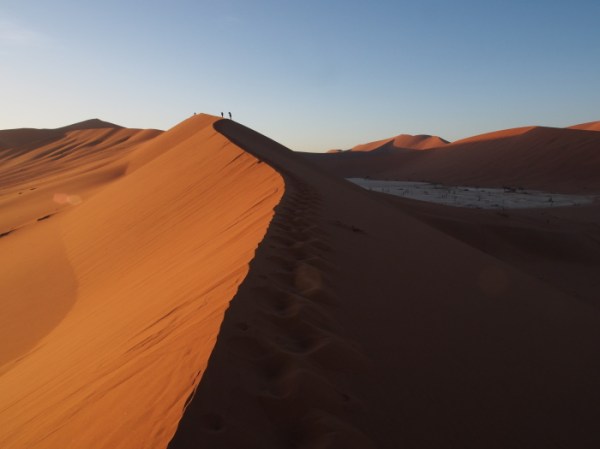
Deadvlei lying to the right
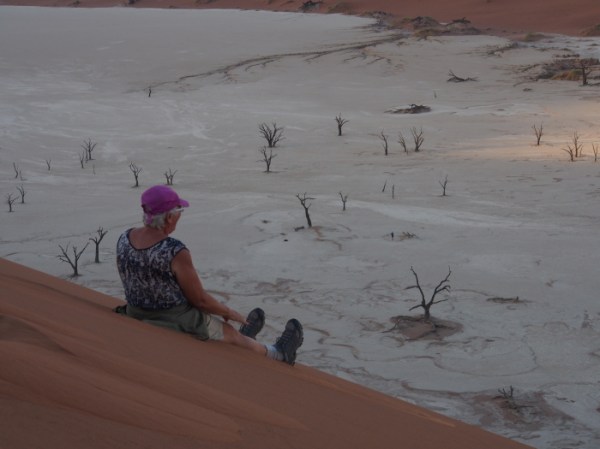
There’s a fast way down to the shade

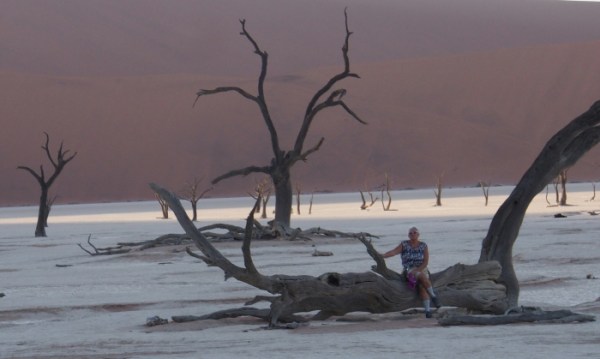


Rob, Sania, Sierd, Tony Elsbie and Connie in Deadvlei
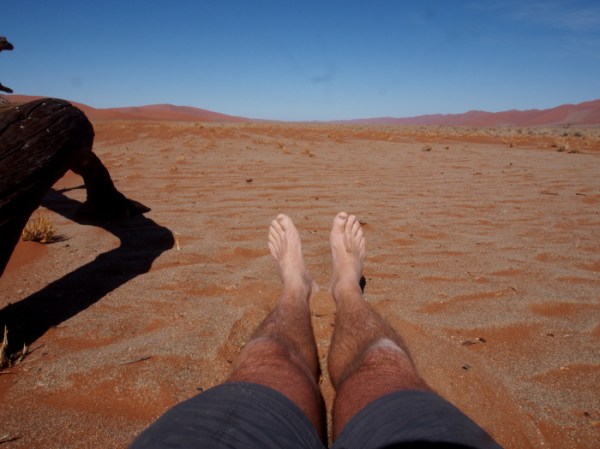
Relaxing after getting stuck twice in the sand on the way out from Deadvlei
This was definitely one of the highlights of our camping trip. It’s a place that will remain in my memory for a long time.
I’ll continue this in a sequel but to give you and teaser to get you to look at chapter 2 I will leave you with one picture to ponder:

Rob doesn’t look too happy!
Back from safari
Okay. I hope you’ve been wondering where we have been.
Just after Christmas we gave up sailing to Cape Town to meet friends coming in from Canada. We rented a car and drove instead of sailing. Our New Years was spent in Simon’s Town with our Canadian friends Sierd and Elsbie. Then we picked up two more friends, Sania and Rob, and headed off on a week in the wine district north of Cape Town.
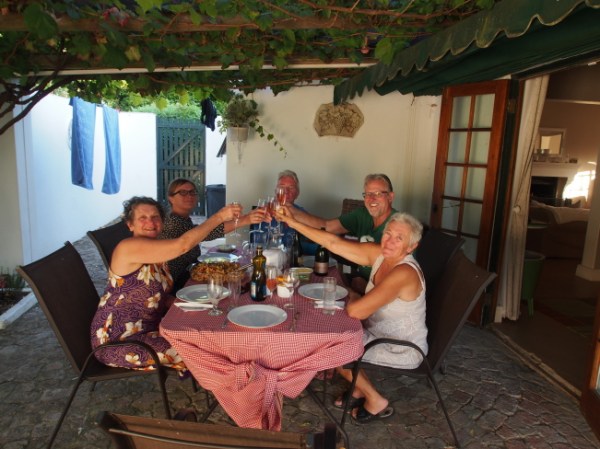
Happy times in Franshoek
After a thorough time of sampling wines we went on a 4 week camping trip to Namibia starting off in Cape Town and driving up the west coast of South Africa then into Namibia and ending up in Windhoek before flying back to South Africa.
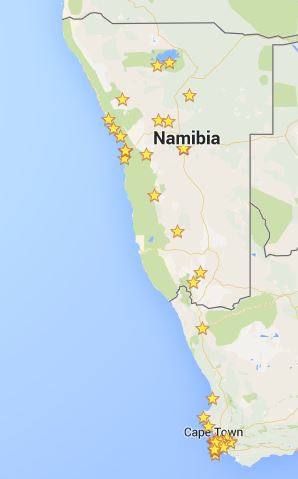
The starred places are places we visited on our camping trip
We are now back on-board Sage waiting for the right weather window to take us to Simon’s Town.
Hold on a little longer for a pictorial review. It takes a little time to organize a thousand photos!
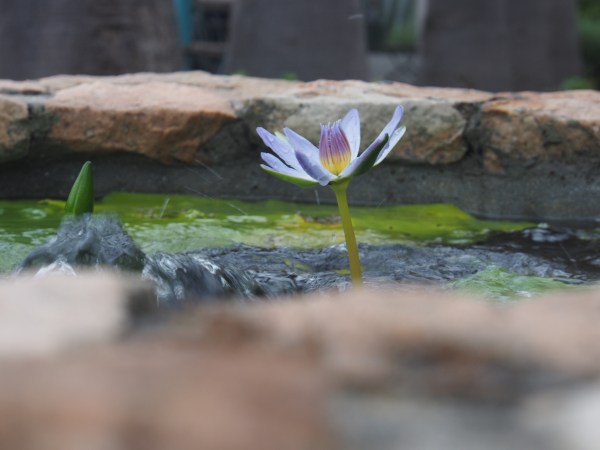
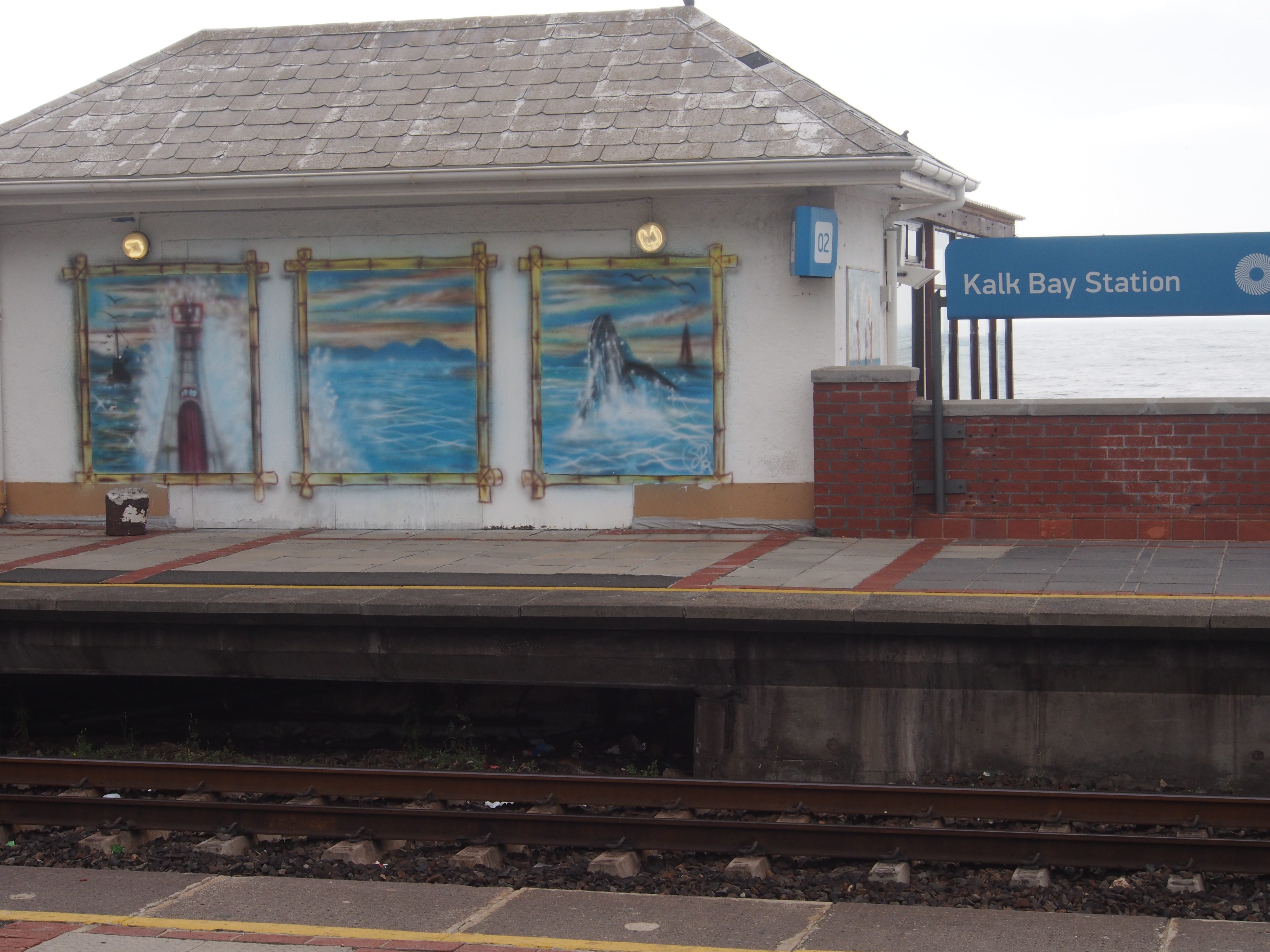
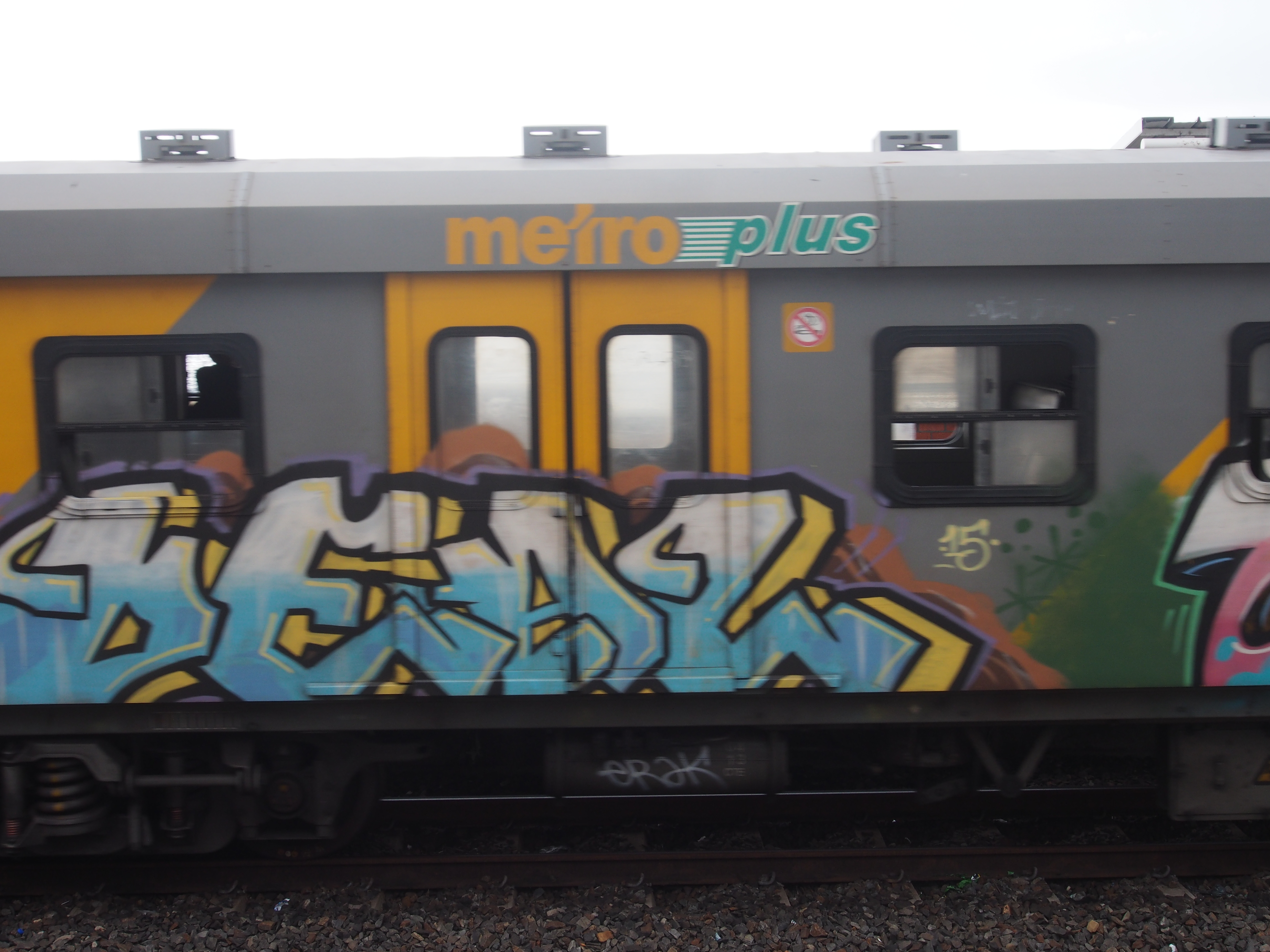
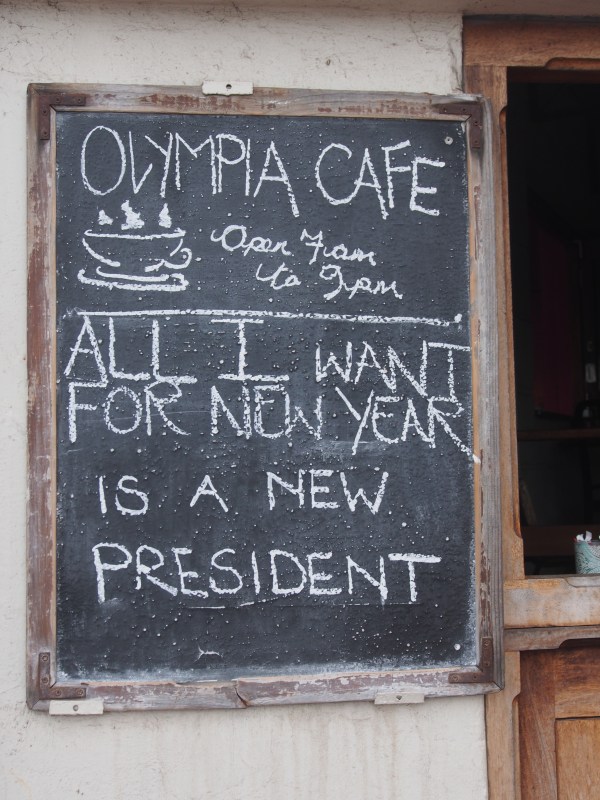
Happy New Year From Kalk Bay
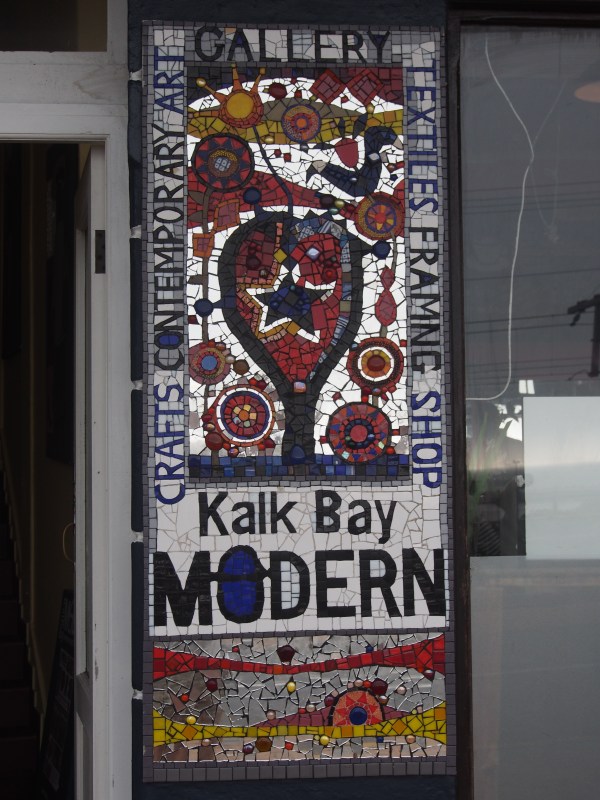


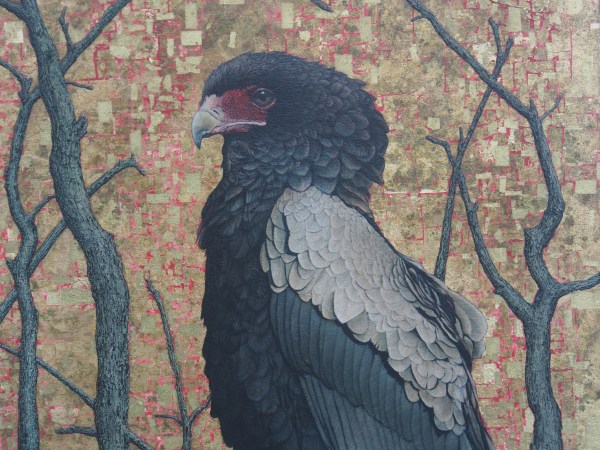
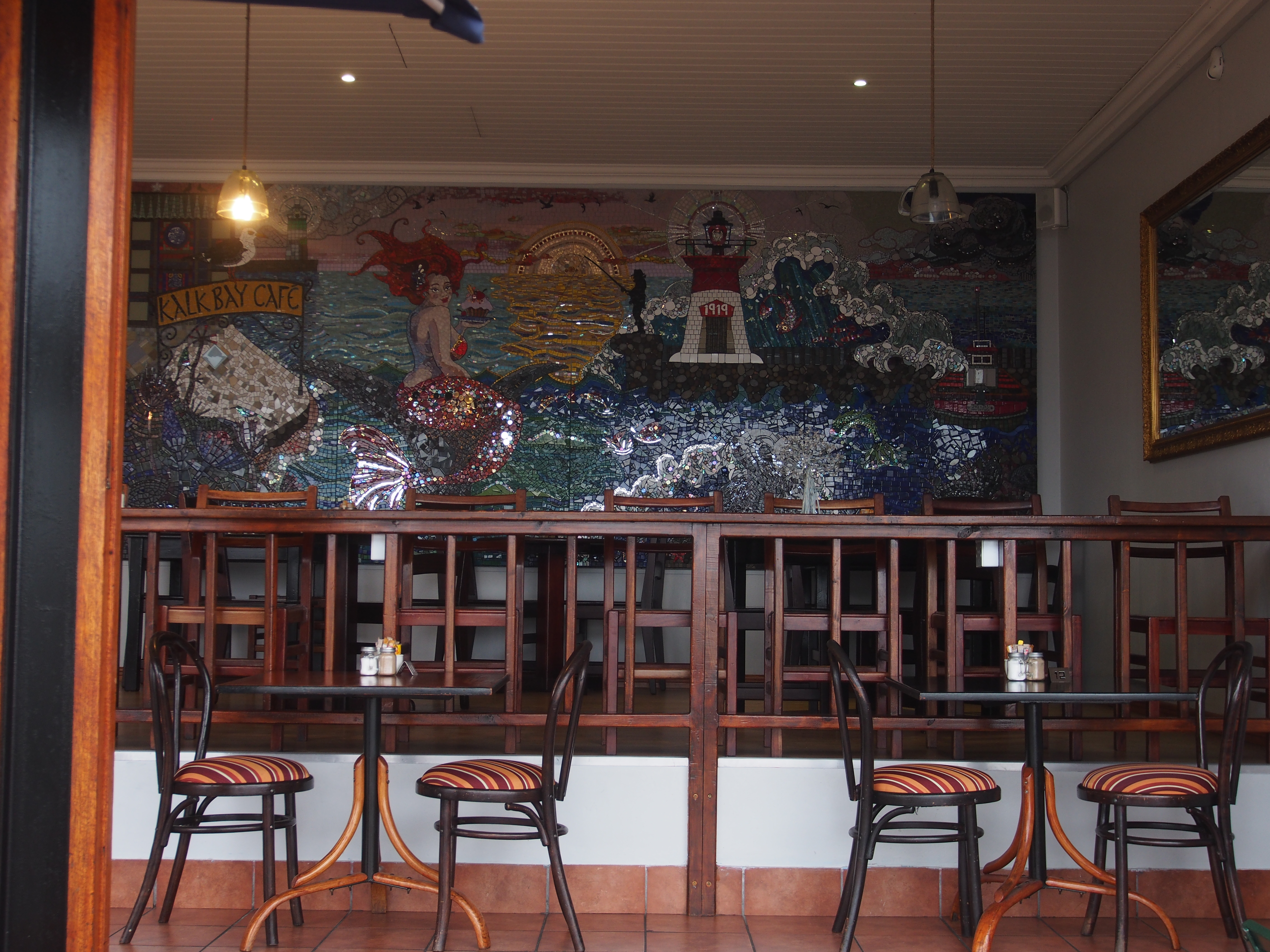


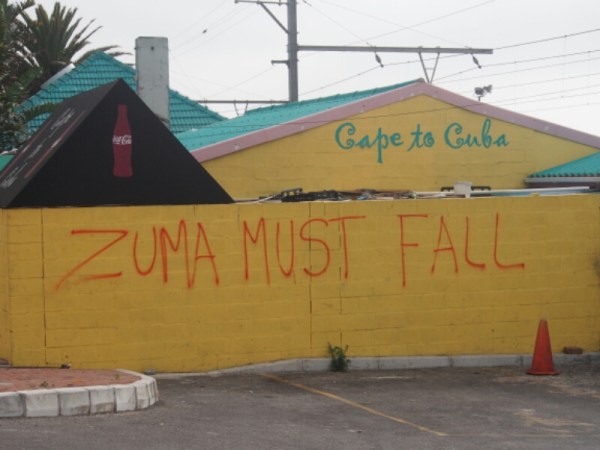
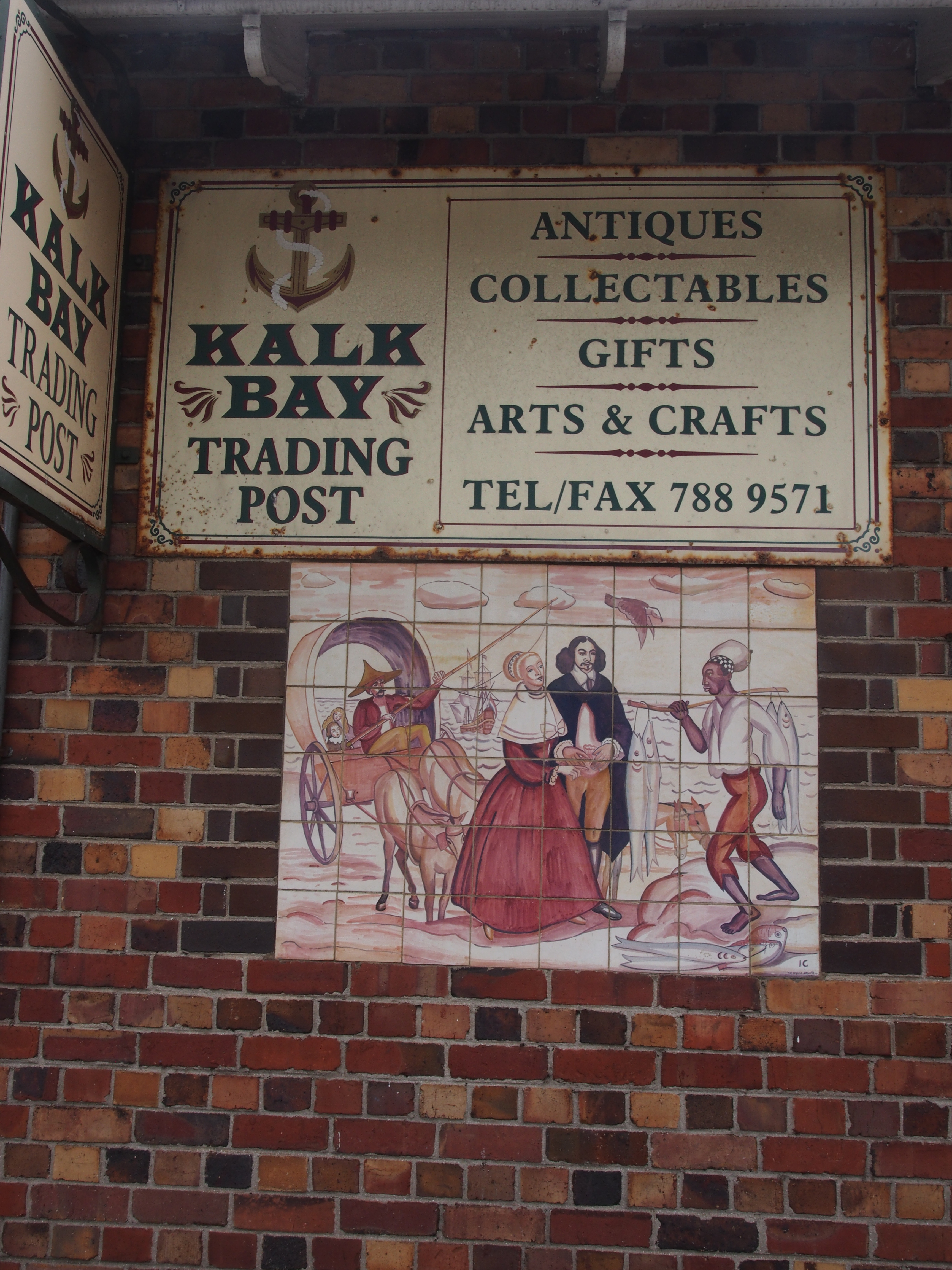
Season’s Greetings
Season’s Greetings
And
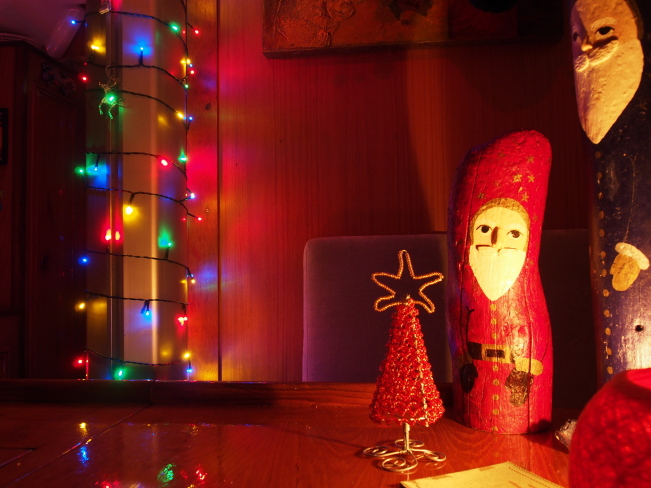
A Happy New Years
Durban
We were warned many times ‘don’t go to Durban’? It’s dangerous, it’s dirty, there’s nothing there etc etc.
We actually heeded these warnings and thought we don’t need to stop there. We were short of time as we want to get to Simon’s Town for Christmas. So, we left Richard’s Bay in what is referred to here as a ‘weather window’ i.e. a switch in the SW wind to NE allowing a run along the coast with the current.

Richard’s Bay to Durban – Note: in the picture above the shallow section extends about 12 miles out from the coast and one has to get off the shelf to take fill advantage of a current that sometimes runs up to 4 knots in a SW direction.
We actually made the 90 miles in 14 hours with help from the current but we ended up in Durban. Yikes, what are we going to do here we thought. Surely we can get out of Durban within 48 hours and keep heading south-west.
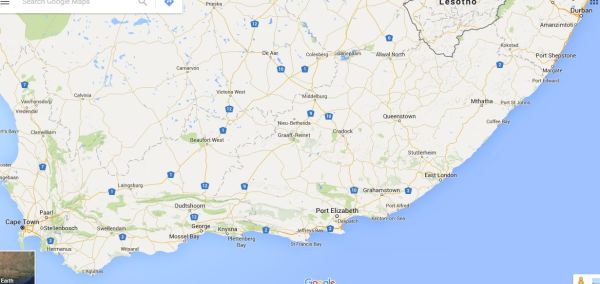
No. After 10 days we are still here and now short of time to make it all the way to Simon’s Town to greet our friends coming in on December 29th. There is a very short weather window which everyone is dwelling on arriving early Thursday. We want to go but know that will only get us to East London and who knows how long we will have to wait there to get another window to Port Elizabeth? Mossel Bay? Kynsna? or….
So, despite everyone’s warning here we are in Durban enjoying ourselves. Here are a few photos of Durban:
First is an area called the beaches. I know now why the New York Times listed Durban as one of the 10 best coastal cities in the world. There is an amazing board walk that stretches about 8 km and is growing.
The board-walk runs between the coast and a string of apartments, a hospital and a hotel/casino. The hotel/casino is an old art deco styled building for which the owners deserve kudos for their enhancements and maintenance of the property.

Havana Bar and Suncoast Hotel
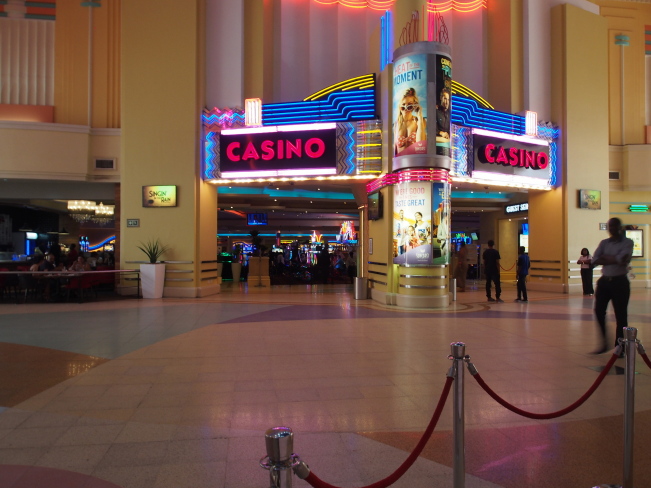
The casino is housed in part of the art deco structure along with shops and restaurants
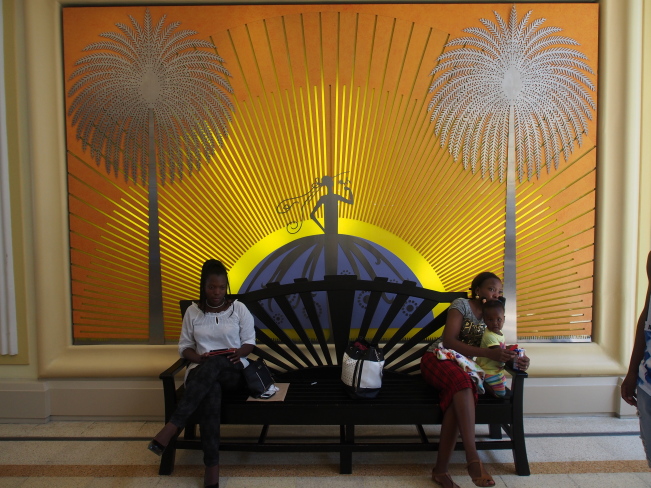
Gorgeous backdrops
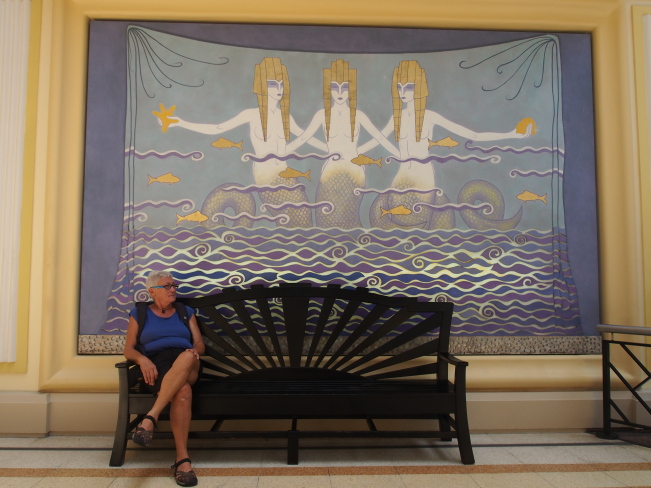
The models are gorgeous too!

Main entranceway

Inside the mall
And then there is the beach itself with the board-walk

Addington Beach on a hot day
There are lots of people who use the beaches and board-walk with restaurants every 1/2 kilometres, showers for people to use after swimming, wading pools for the kids and of course a number of buskers:

Sand castle (car)
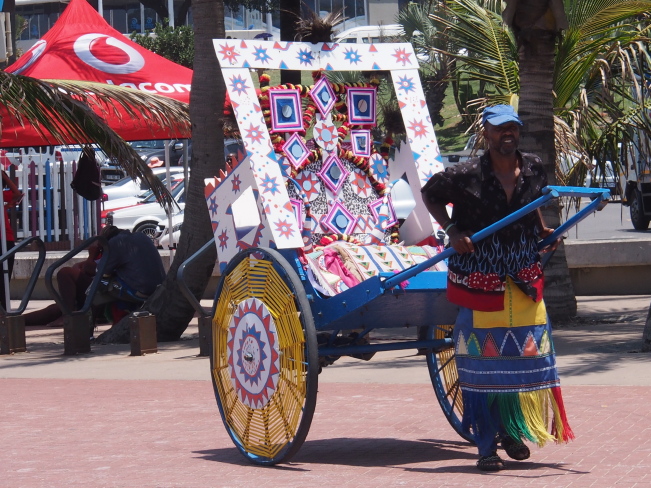
Any way to make a buck – 10R for a picture, ? for a ride and, and….
We strolled for hours along the beachfront but there are many other areas to explore in Durban.
Next was Esther Roberts Road:
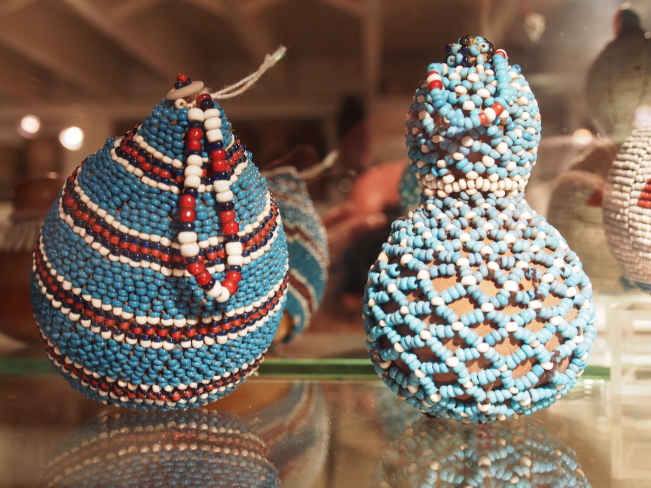
What drew us to Esther Roberts Road was the Phansi Museum.

The museum has an awesome collection of traditional crafts and an excellent guide to take us through. The museum was a taxi ride away from Durban Marina.
We spent a couple of hours walking through the museum marvelling at all the traditional and modern works that were on display. It is necessary to make an appointment to see the exhibition and it’s worth the effort and planning.
Here are some pictures of things we saw in the museum:

This is the South African equivalent to the button blanket of the Pacific North-West coastal First Nations
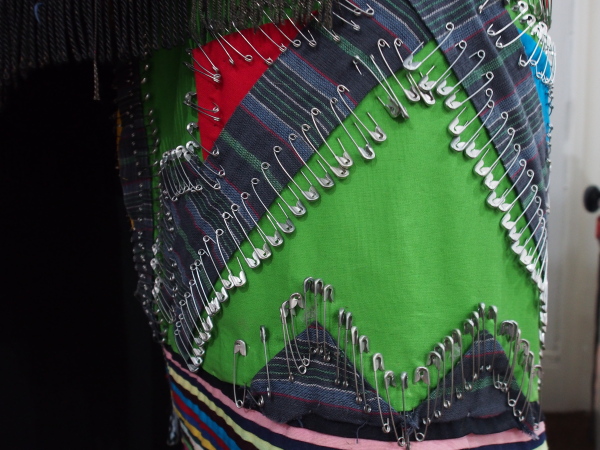
An exploded view of a safety-pin blanket
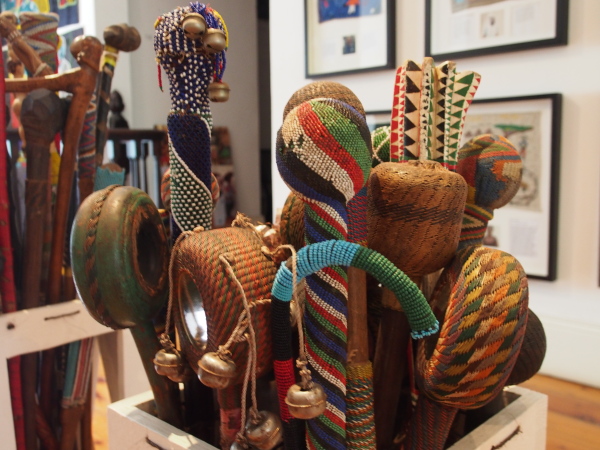
Walking stick anyone. I think more of a cudgel

Detail of a hat

One of the many examples of traditional clothing

I believe the symbolism here relates to the prisoner number given to Nelson Mandela. Modern beaded jacket
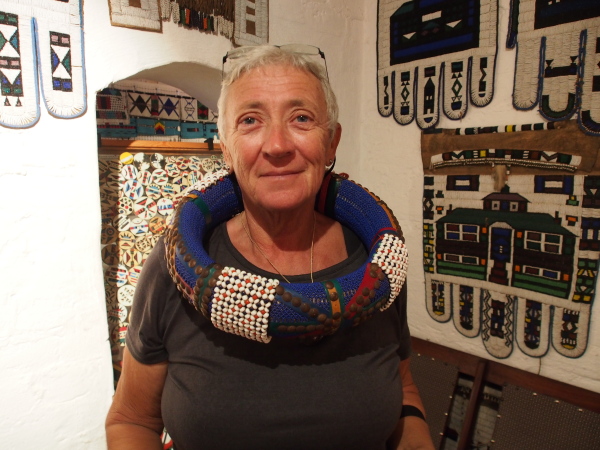
A new bride

doll collection

Incredible display of baskets
There was a lot more but tempting our stomachs was a bakery we spotted on the way to the museum in the taxi. It looked like the real thing and believe me in South Africa bread is not a strength. We had been looking for ages for good bread and walking into the Glenwood Bakery.

Glenwood Bakery
There on the shelf was a Tartine cookbook so I knew we had hit a goldmine.

Next to the Glenwood Bakery was a small restaurant called Parc
We dragged a couple of yachties back to Parc for a wonderful breakfast. Both the restaurant and bakery are highly recommended.

Amy, Arthur and Connie enjoying a well earned full cholesterol breakfast
Next area to explore was Windermere. What attracted us to this area is that it’s one of the oldest residential neighbourhoods but it is also the location of the African Arts Centre:

And just outside the African Art Centre – the shopper!
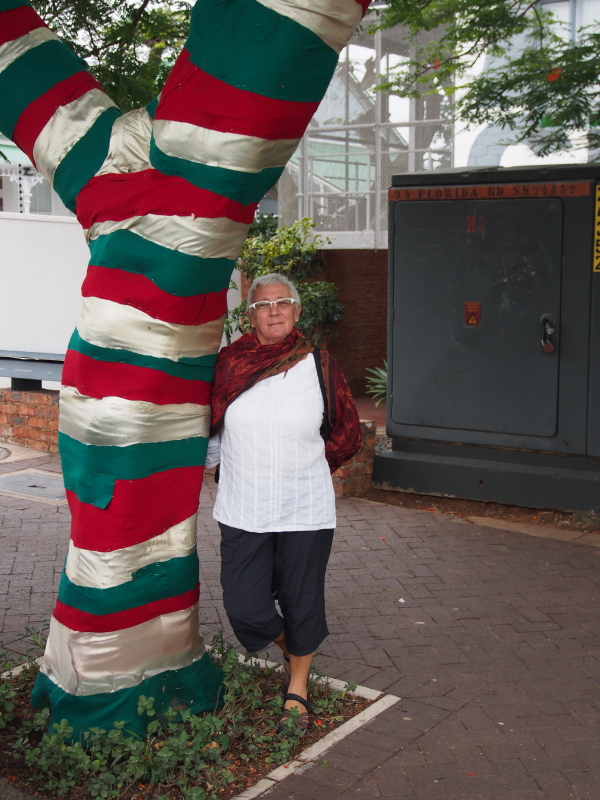
It’s Christmas
South Africa – Wow
Here are some first photo impressions of South Africa
Driving out to a couple of wildlife areas we kept seeing these wonderful road signs

Okay we’re ready for all the animals you’ve got

Are we actually going to see some wildlife
promising sights of all the animals that we had been dreaming of seeing in South Africa. We weren’t to be disappointed.
Our first foray into the wilds of the interior took us to two places – Hluhluwe-iMfolozi Park and iSimangalis0 Wetland Park.
Neither of them disappointed us. We took a water tour in the wetland areas and then drove through the drier area. On another trip we rented a car and headed inland to higher ground away from the ocean to Hluhluwe-iMfolozi Park.
Here are some of those pictures from the two trips:

At the entrance to the park was this tree that was teaming with building their nests. Could have stood for hours watching.

One of the challenges of the game parks in South Africa, both public and private, is to stop poaching.
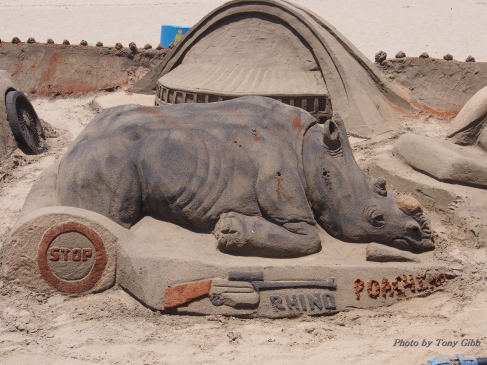
Seen on the beach in Durban
Although the one above is made from sand we had plenty of opportunities to view the real thing:

Don’t piss me off!
Right – well we didn’t exactly piss this guy off. There were four others of them in the middle of the road and we needed to get back to our accommodation before nightfall. So, we waited a while they play fought on the road then they kind of moved off. We made a run for it and roared past them hoping they wouldn’t lunge at us. Our car was only 1/4 the size of these guys so you can imagine we would have made nice ‘meat-on-a-skewer’ for them!

They also like rolling around in the mud just like me
There were lots of sightings of these guys but along the wetlands we saw different kinds of animals

The wetlands at iSimangalis0 Wetlands Park
Here we took a guided boat ride through the wetlands providing our first glimpse of hippos, crocs and various birds

Ah for the sun and some mud
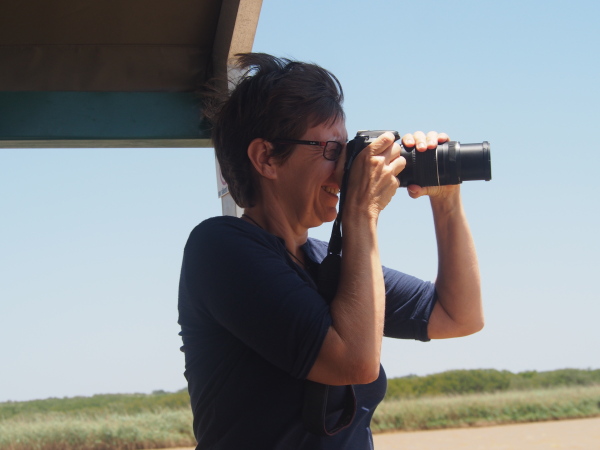
Kirsten spotting another rhino on the river

Hippos generally lie around in the water all day and then forage at night.
We were unfortunate in that we didn’t get to see any hippos out of the water nor even bothering to rise up as we cruised by. However, we were glad of that as we were told that these, being one of the big 5 in Africa, are not something you want to meet up with on a path at night. Hippos, we were told kill over 3,000/year in South Africa!
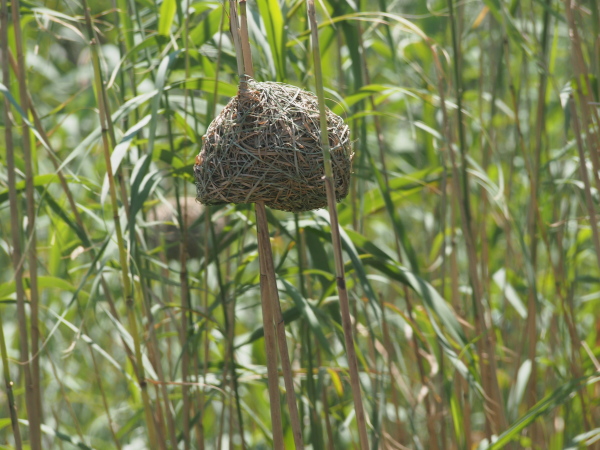
Along the edge of the water in the wetlands birds build their nests
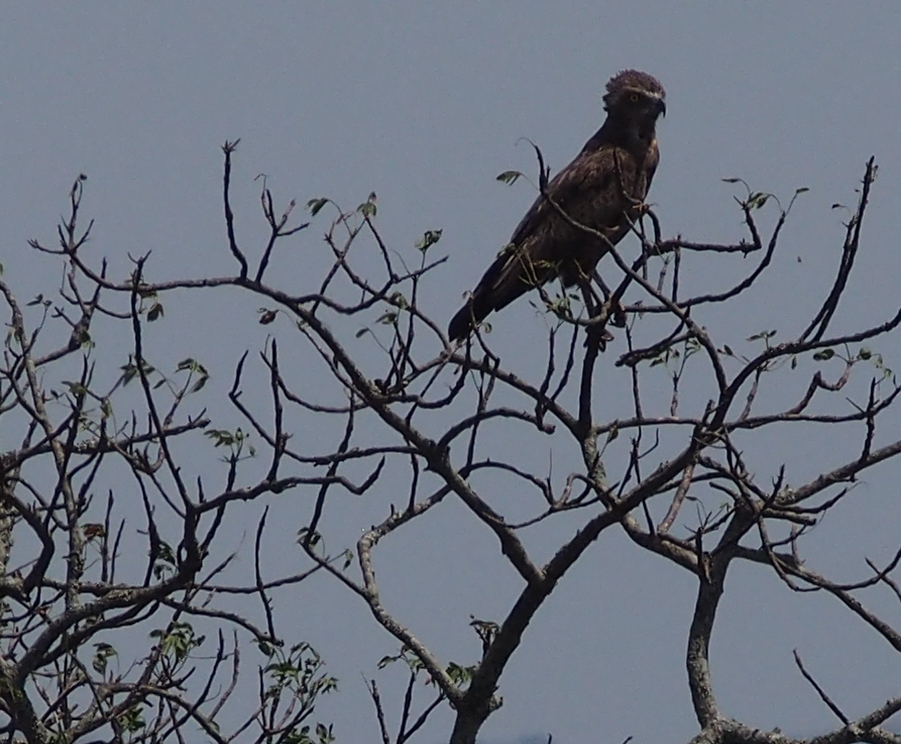
Great raptors

And great water birds
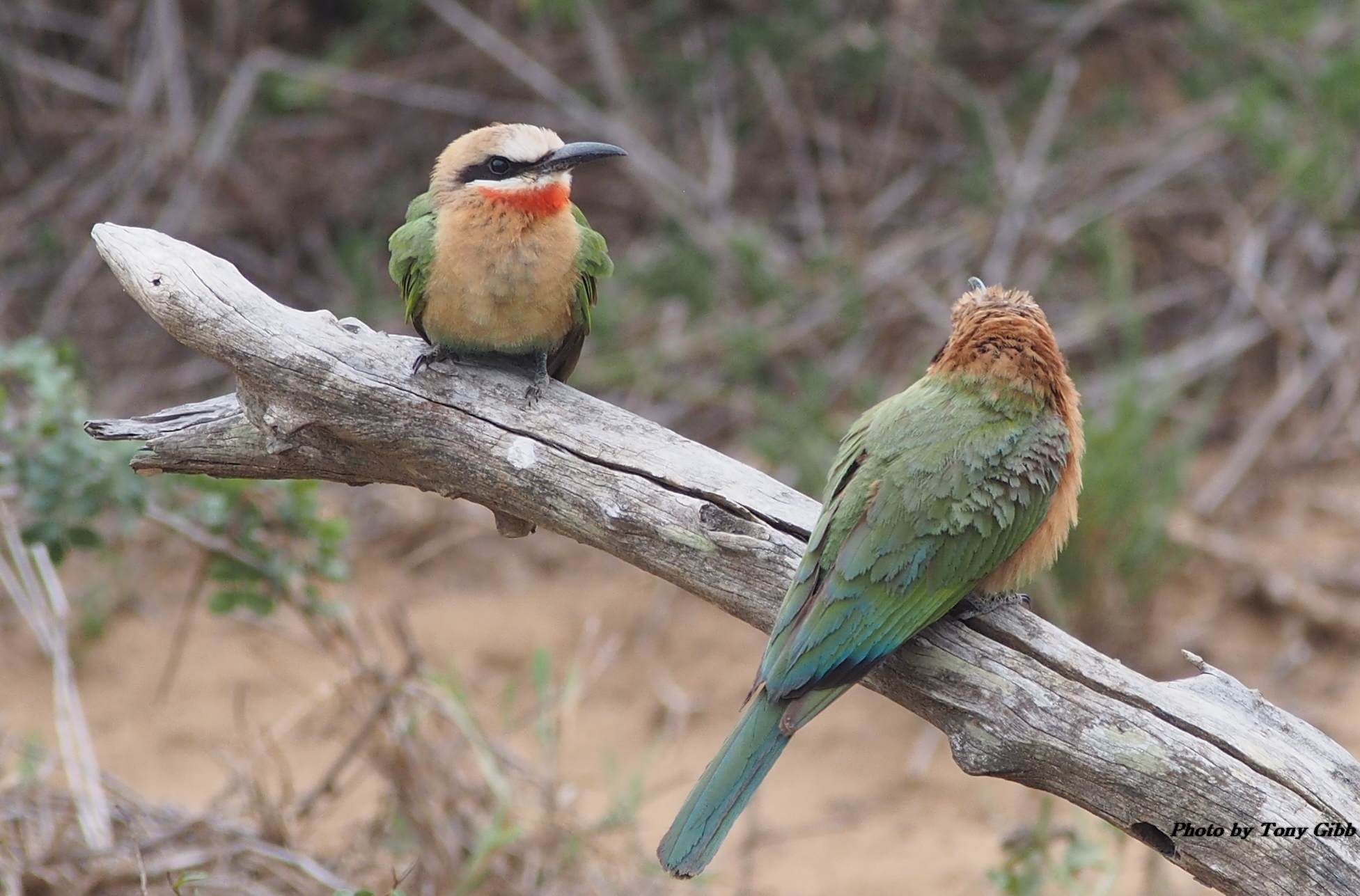
Beautiful
And then more:
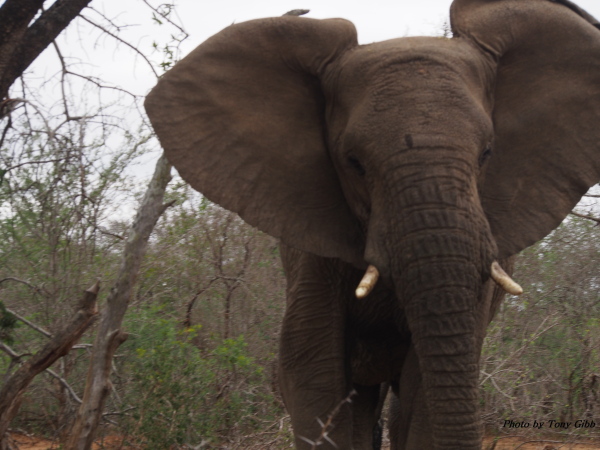
you’re in my stomping grounds
Another animal in the middle of the road. He flapped his ears at us, lifted his tusk and then roared. We quickly backed up and got out of his way staying at a respectful distance.
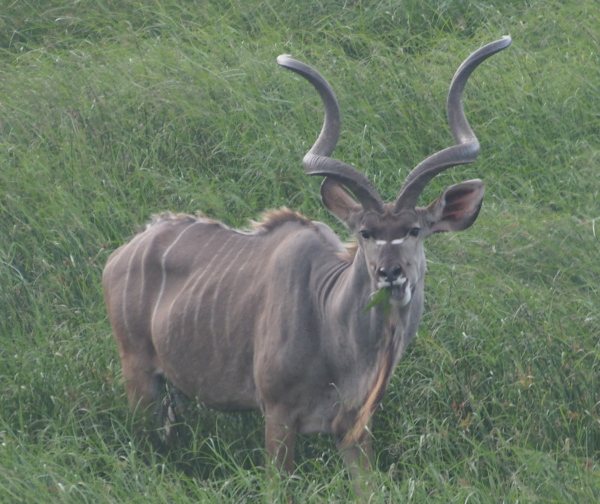
Kudu – somewhat elegant but, for most South Africans, very edible
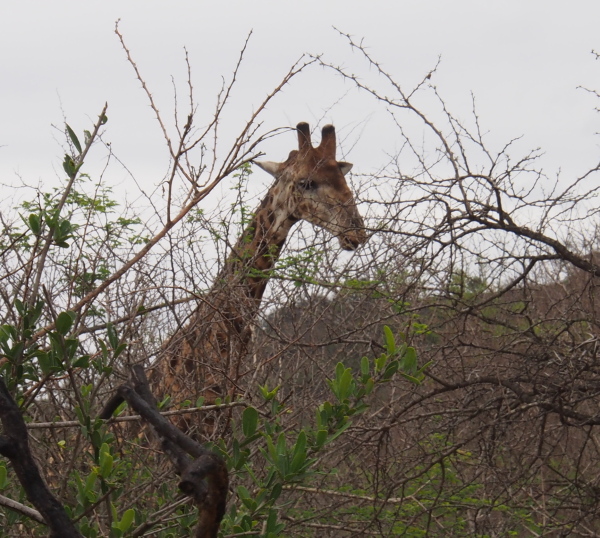
Majestic

Bacon anyone
Of course, this viewing all brings a thirst and what better than a cold bottle of wine to end the day and watch the sunset from our rondaval.
Our one and only night in a rondaval
*Note: all pics have been reduced in size hence they don’t have the same quality for viewing as the originals. I have done this to save up/download times as the wi-fi here is expensive and the free wi-fi slow. Hopefully I will be able to go back at some time to uploading the full pixel versions
 Sage on sail
The Ludic Behaviour Of Sage and Her Crew
Protea
The ludic behaviour of Sage and her crew is coming to and end for a period of time. We have wandered through the Indian Ocean for the last year having visited some amazing places, met wonderful people and eating lots of tropical delights. No matter how wonderful it all looks and sounds we are quite tired.
We need a break from the constant moving, the worries of maintaining a boat in good nick in remote locations and if truth be told the southern Indian Ocean has thrown us for a loop with the constant weather concerns related to making safe passages along a coastline with few natural harbours. The old adage of it being safer far out to sea could not be more applicable to the South African coastline. I would much rather be 500 miles out at sea than to have the constant worry of how far it is to the next safe port.
So, we are setting the anchor down for a while to spend some time on bolstering Sage’s seaworthiness and taking a break from thinking where the next anchorage will be. We are looking forward to taking in more land based adventures be it walking through the fynbos of Table Mountain or perhaps a trip to the theatre or enjoying the Cape Town jazz festival.
We celebrated our arrival in the Atlantic Ocean with Lop To and Strider along with several bottles of champagne. We are all looking forward to one of the most classic sailing passages i.e. The South Atlantic passage from Cape Town to St. Helena, Ascencion and beyond. It’s a hurricane free zone and reading the blogs of the numerous 2016 Indian Ocean crossing alumni it looks pretty nice. However, our crossing is not going to take place for a while.
We have new sails to purchase. One has been waiting here in Simon’s Town since December, another has been ordered and is due to arrive late next week and another, the genoa, is to be measured up sometime soon. There is to be a new dodger and a new dinghy. All this takes time and so we are doing lots of small jobs between now and departure such as repairing the windlass, painting out the galley and cockpit, repairing the broken electronic steering, getting replacement parts for the wind-driven self steering and replacing all sorts of lines.
The electronic self steering which broke at the same time as the wind-driven self steering
There was only one way to fix this offshore – duct tape. What a marvelous invention.
One more thing to fix – we lost the boom vang and here we are in Simon’s Town taking it up to the shop for repair
We hope that by the time we leave Sage will feel like a new ship that’s ready to put on a few miles and we will have had a relaxing break and an improved attitude to putting many miles under the keel as we make our way north through the South Atlantic. We have many options as to places to go be it Brazil, the Caribbean, the Azores, Cape Horn or…Our imaginations run wild with possibilities and already we are thinking of exotic and far away places to anchor and explore.
Prolific Proteas
Stay tuned for a few land travel stories and then a foray into the South Atlantic.
Our hometown for a while – Simons Town