A New Adventure
I have struggled as to what to do with this blog. Each year I pay to keep it active but I no longer can post adventures about sailing as I no longer have a sailboat. If you have read other parts of the blog you will see that we sold Sage in Halifax in 2019 and since then have resided in Victoria, BC.
Occasional travelling adventures have taken us to Italy and Portugal on house sits or cycling adventures and or just plain wanderings. Now we are about to embark on another adventure to Turkey, South Africa and Botswana.
Stay tuned for more….

The Final Push
“Still, round the corner, there may wait, a new road or a gate” JR Tolkein
Only 1,537km from San Francisco to Victoria if you count the twisting and scenic route of Highway 1 and 101. It has to be one of the most beautiful drives other than the Garden Route in South Africa (but it’s only 300km)!
We had 5 days to meander up the coast. It’s not really meandering as there’s little time to dawdle and take photos, hike trails or sample wines. It’s drive, drive and drive. And since we don’t like to set up camp for less than 2 nights there’s little time for lingering.
The sun shone, the nights were cool and the scenery spectacular. We never saw one sailboat, fishboat or tanker out on the coast but there were deserted beaches, quiet campgrounds and not that much traffic.
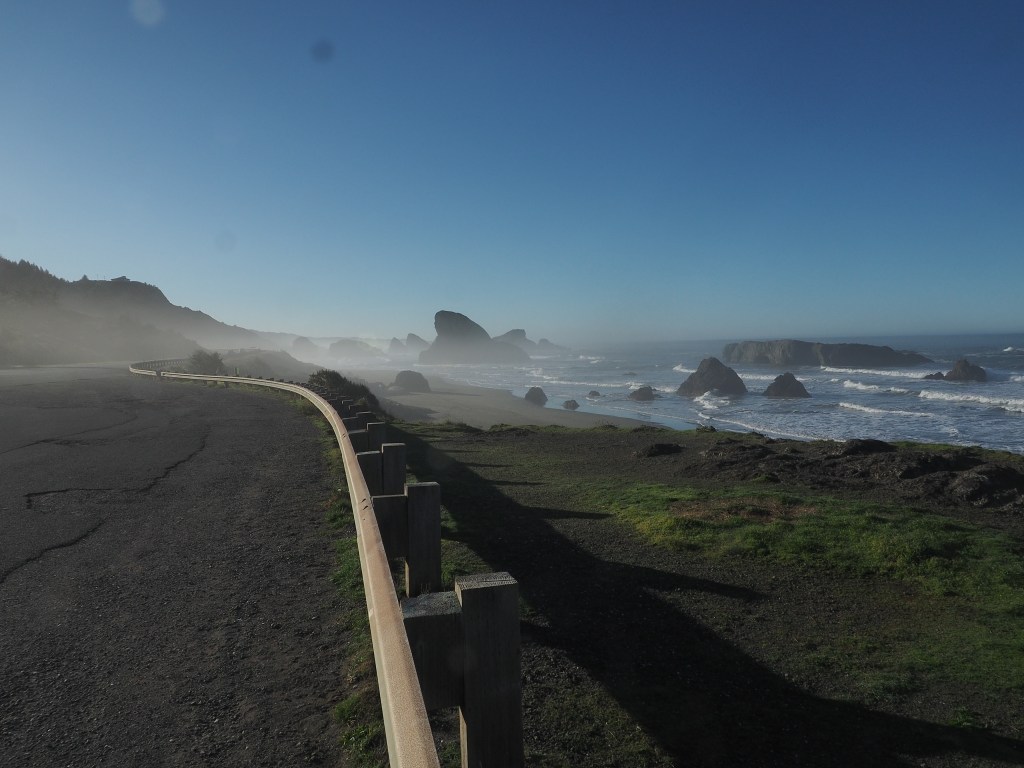
The last time either of us drove this route was back in the 1970s but not much had changed. We even saw a few hitchhikers along the route but had no room to pick them up having our worldly belongings from Sage onboard as well as the Thule container.
Gone were the wild tied dyed clothes of the late 60s and early 70s to be replaced by typical dull earth toned coastal jackets and jeans. Instead of VW vans one saw swanky SUVs and Teslas (by the way counted 14 Teslas as we drove from the east coast but upon reaching San Francisco we lost count)
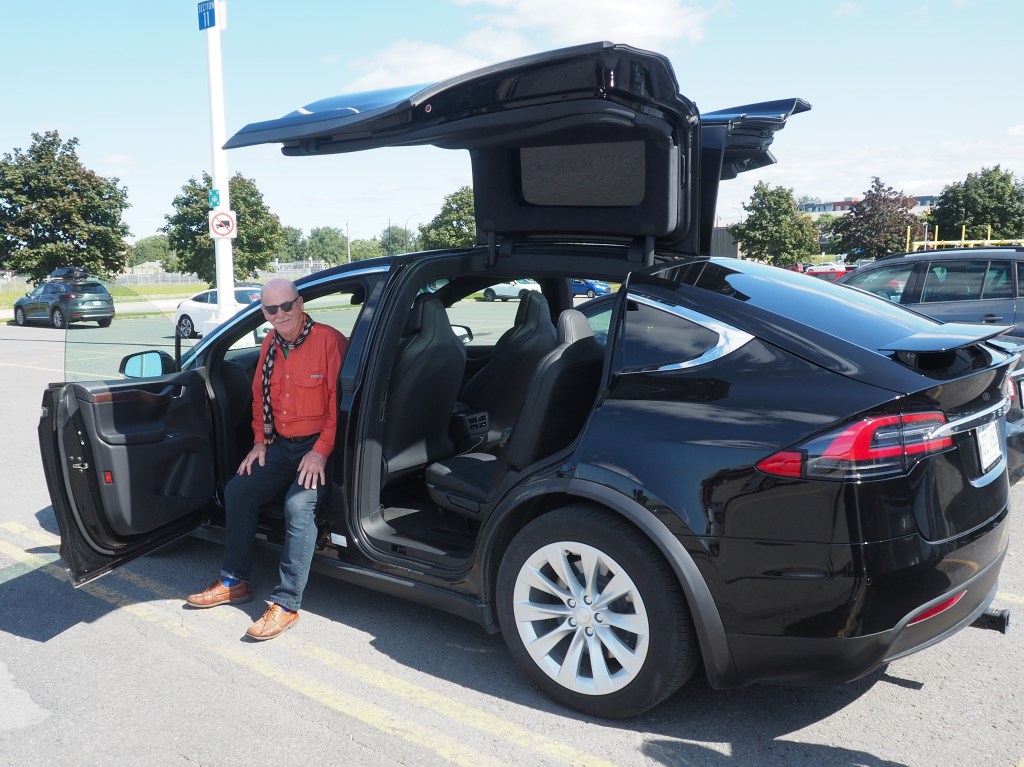
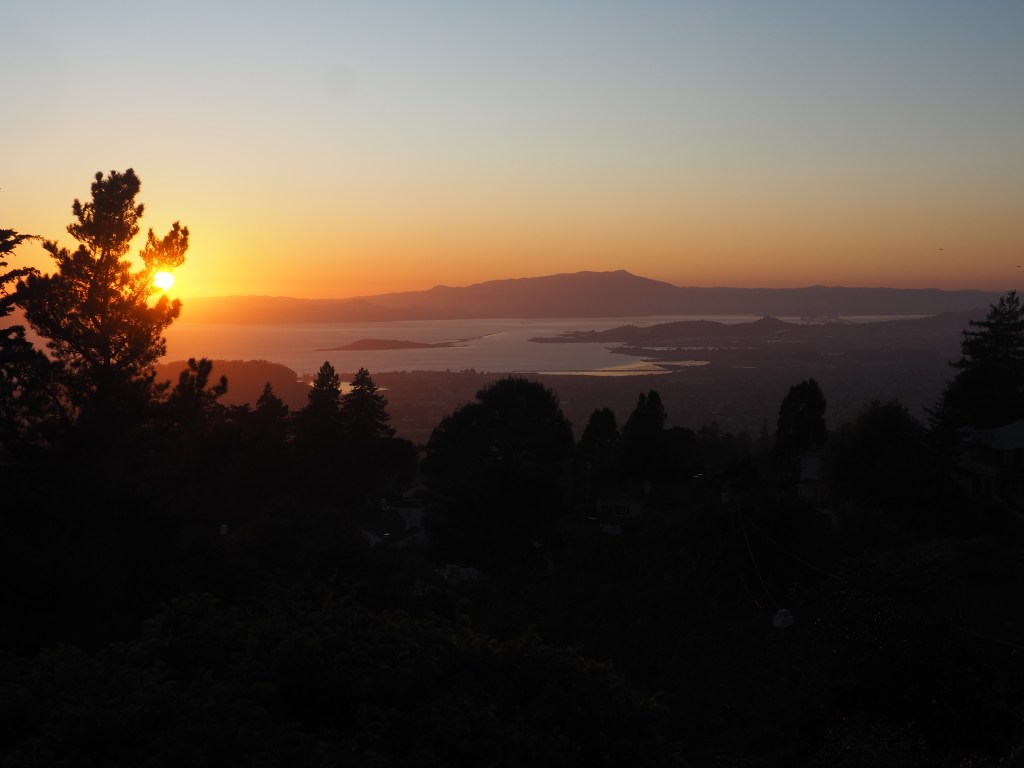
Leaving the Teslas and the smoke from the fires we headed north and 5 days later landed in Victoria.
We did discover a stowaway on our route north from San Francisco.
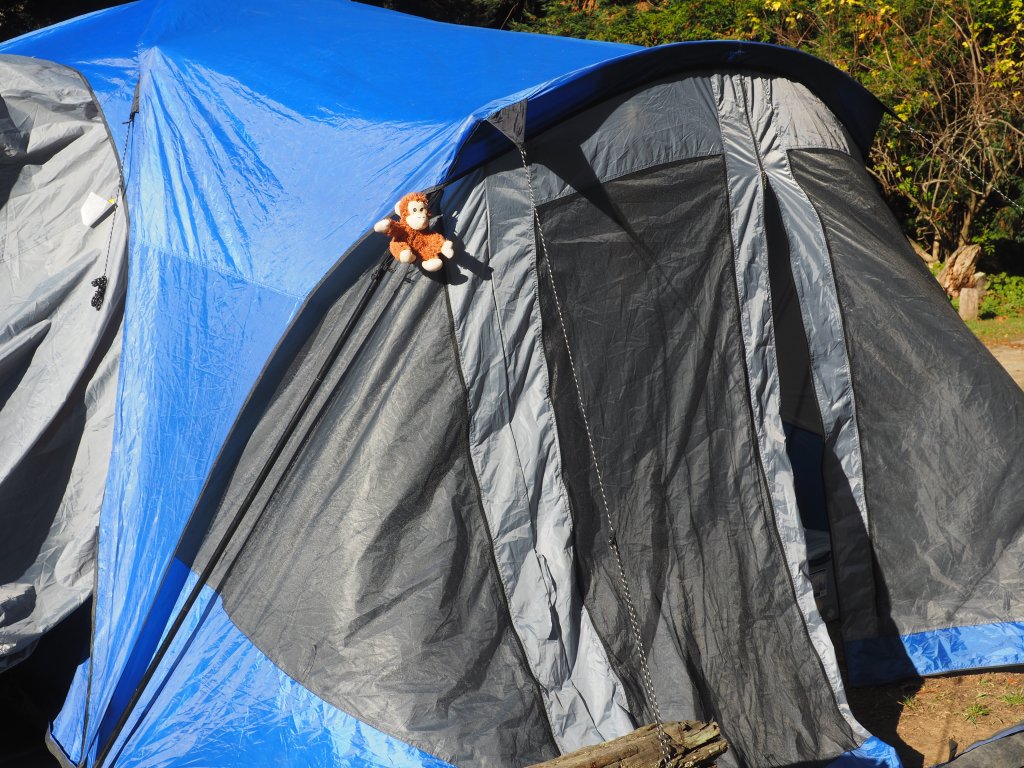
This guy climbed onboard to get away from a dog called Ajax in San Francisco. Ajax is a grand-dog of friends we stayed with. Ajax is a puppy and as such has a habit of tearing toys apart. So, this guy climbed onboard. Unfortunately he didn’t have the right identification to cross the border in Canada. So, he got across by claiming refugee status. Welcomed with open arms by Canada immigration he finally escaped Ajax and the American political system.
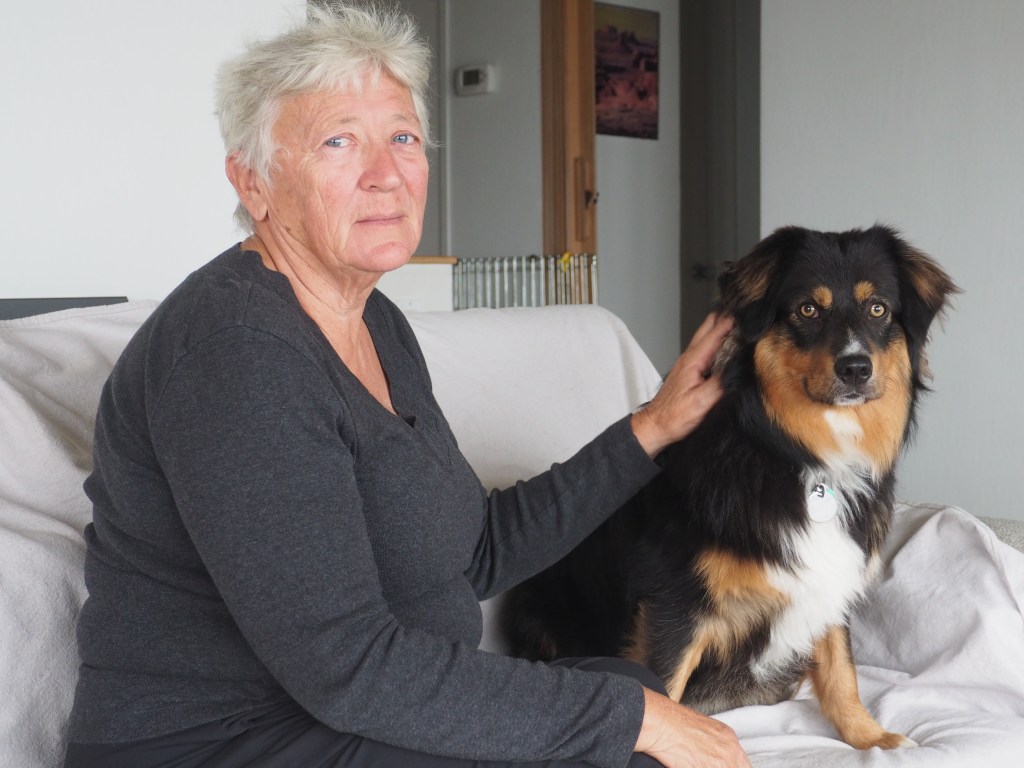
Our road trip comes to an end and thus you as the reader are released from having to read another one of our blogs – at least until we start another adventure. The decision now is to figure out what to do with the blog – kill it or keep going…
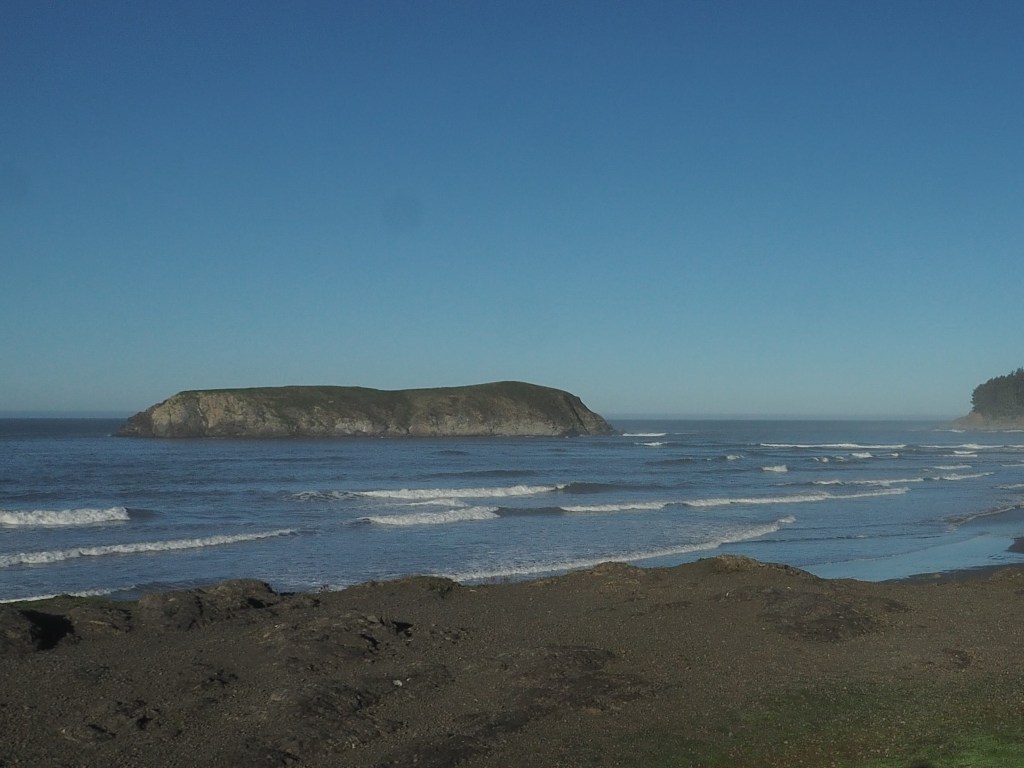

Halifax to Victoria – 11,619km and $1300 in fuel!
The Story of Selling Sage
Every thing must come to an end. So, as with everything, our sailing onboard Sage has come to an end.
For most of the past summer, as mentioned in the last posting, Sage has been advertised for sale. We made the best of the summer by not thinking of a sale and thinking we would store the boat in Nova Scotia for the winter and who knows return in the spring and sail once again north and into Newfoundland.
The east coast of Canada, despite the short season, offers an unbelievable coast to explore. There are so many anchorages and such beautiful scenery that it would take many lifetimes to get to know.
But another sail was not to be. Remy continued to show interest in purchasing Sage and by August 20th an offer was in place and accepted. However, the logistics of making the transfer was not confirmed and the summer season was ending. We decided to get the boat south; closer to Halifax.
By the time we got to Halifax the deal was sealed and Remy became the new owner of Sage. Remy took us for a lovely sail on his new boat through Halifax Harbour with me showing Remy the various systems onboard Sage. Remy revealed his plans to take Sage up to Quebec City for a winter refit and then next season starting some more adventures for Sage. We are happy for Sage and for Remy.

Our loss is bittersweet. They say there are two good times for boat owners – the day you buy a boat and the day you sell the boat. I know we are going to have a hard time adjusting to our revamped life but we have plenty of ideas and we are fortunate enough to have choices.
For the moment though we have something to keep our minds occupied – a hurricane. Hurricane Dorian is about to hit. We assisted Remy with some advise on how to prepare Sage for the hurricane. Sage is still in Halifax and in a well built marina. Remy has done what he can in terms of preparing himself, Sage and boats around him for the hurricane.
We on the other hand got out of town! However, that hasn’t spared us the wrath of Dorian. We are in PEI and in a location where the eye of Dorian will be upon us in about 1 hour.

Summer closure
The summer is soon coming to closure and thoughts turn to what to do for the fall and winter season.
Most of the summer has been spent in and around the Bras d’Or lakes taking in the music, time with friends and new acquaintances and enjoying the fine summer weather of the east coast.


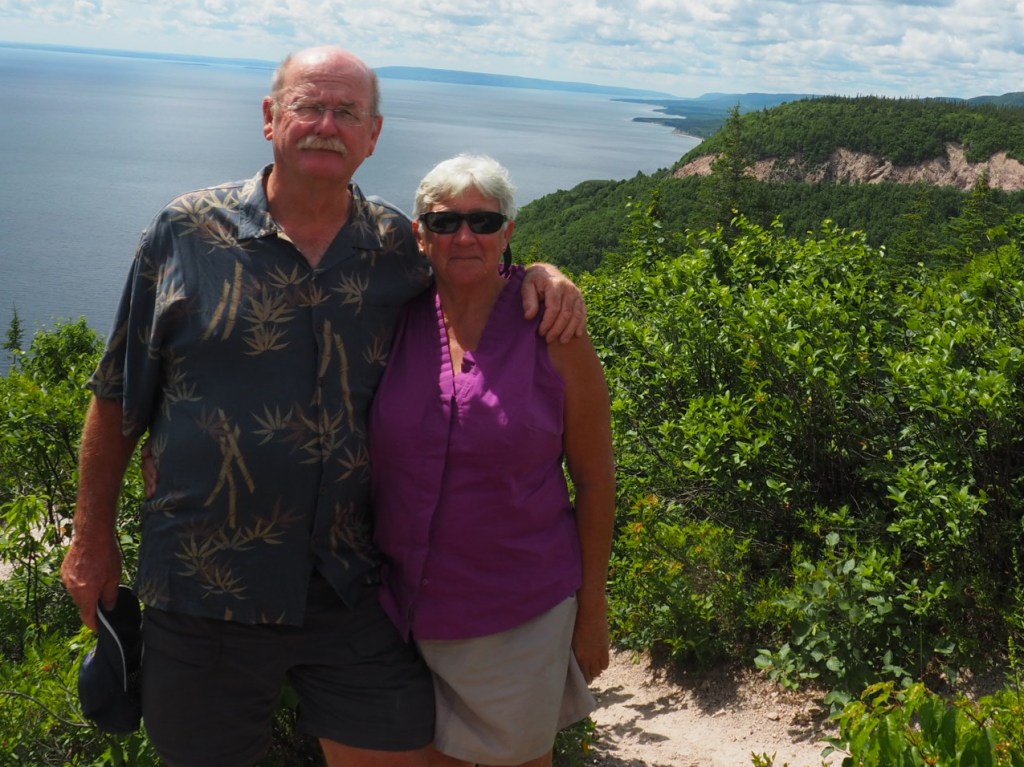

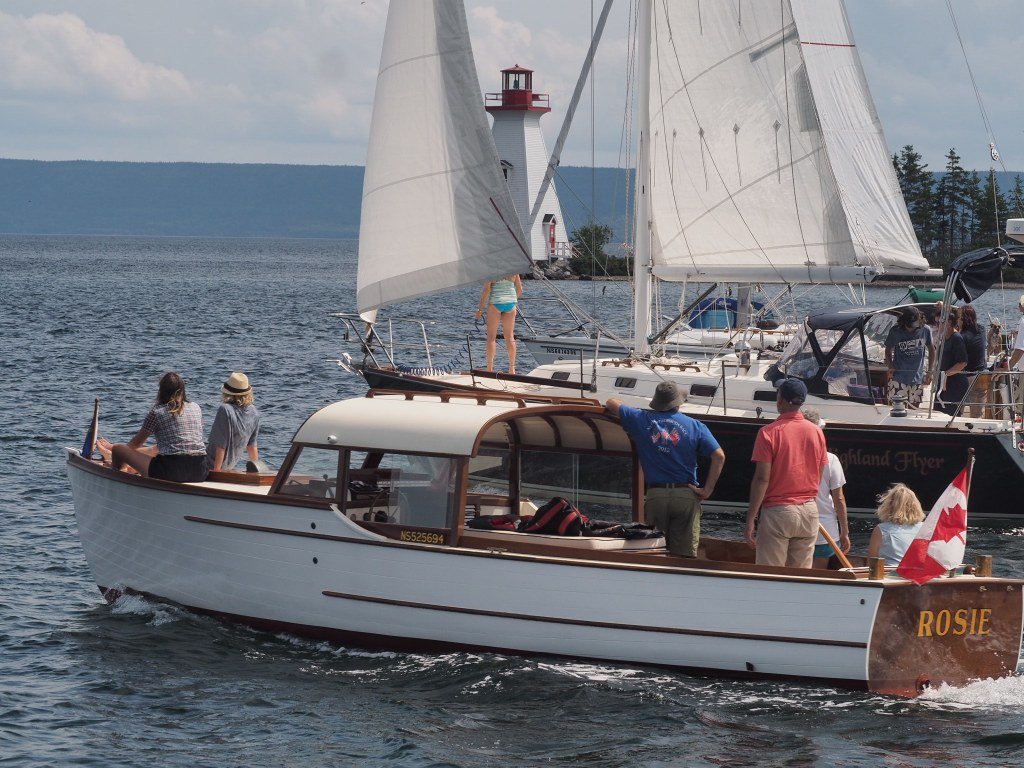


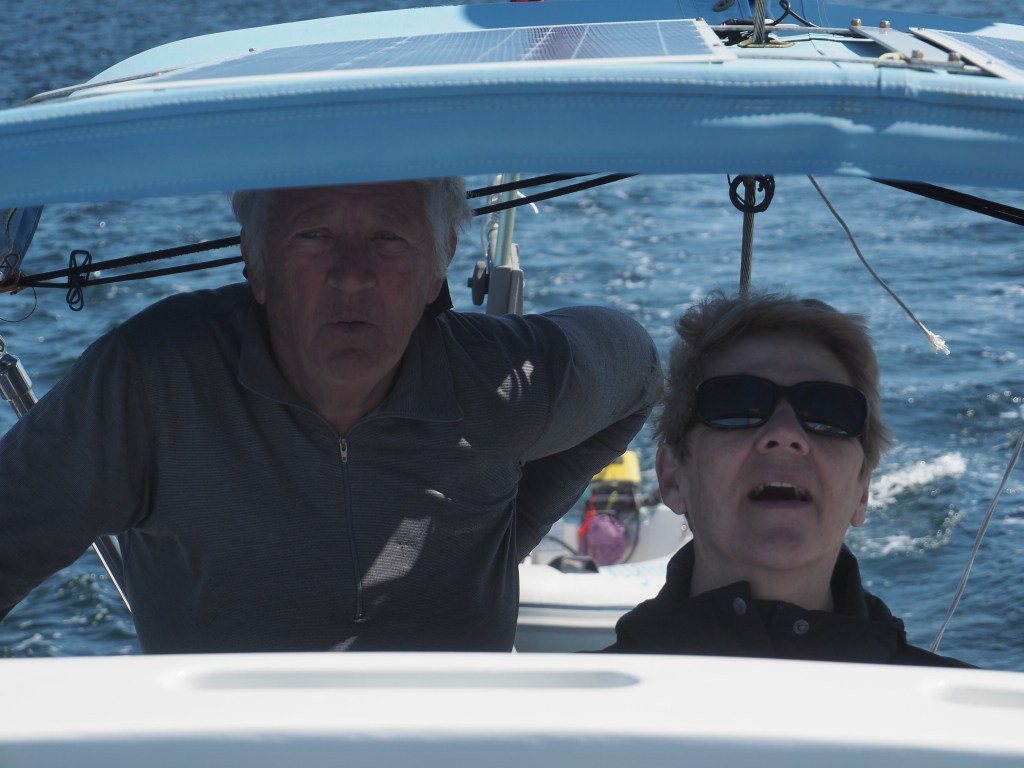



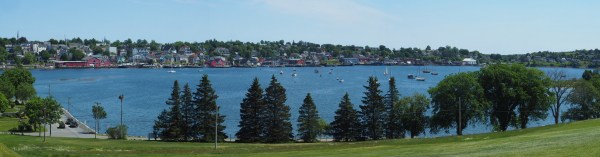

It’s time to go though. Plans were in place to store the boat in Gold River, NS but a call from Quebec has stalled our plans. The call from Quebec has come as a result of Sage being advertised for sale in Yachtworld. Remy has come to Baddeck to take a look at Sage but he has already flown to Grenada to look at a very similar boat there.
The season is moving on and the only concrete decision we have is to store Sage in Gold River. Just as we start to plan to leave a low appears several hundred miles off the coast of Nova Scotia. It’s one of the first tropical disturbance to appear on the NOAA site for August. It’s not a hurricane as it’s far enough north but it has a significant northerly wind for which we druel over as a possible opportunity to get to Halifax.
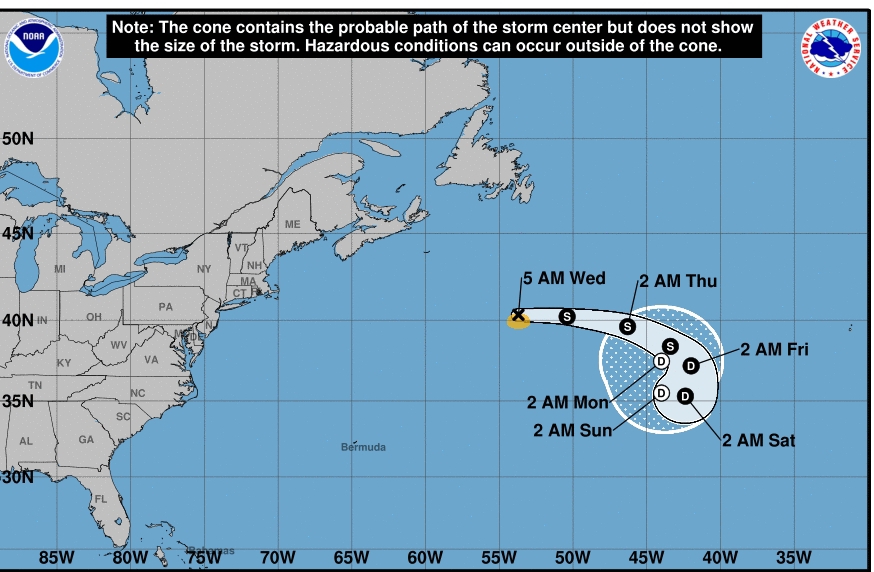
With an anti-clockwise spin the winds should be good to get to Halifax quickly. It’s not really the speed we are concerned about but rather using the weather system to avoid having to tack down the east coast against the prevailing SW winds normal for this time of the year. The SW winds would have given us the opportunity to see some of the incredible anchorages to explore along this coast but the sails would have been tough with big seas and strong winds which we weren’t keen on experiencing. The water is cold, the coast rock strewn and if there are communities they are very small and lacking services for people without land transportation. I will say the coast is a cruisers dream with lots to explore and few people and/or boats to tangle with.
Our last stop was St. Peter’s which is just inside the lock into the Bras d’Or lakes. A small community but with a wonderful marina run by the local Lions Club. Has a good anchorage, mooring buoys if needed and docks for luxury. We wanted a bit of luxury after alomst 6 weeks of being ‘on-the-hook’. We took the opportunity of plugging in, filling the water tanks, washing off the salt water and storing things away for the SW swells of the North Atlantic awaiting us outside the locks.
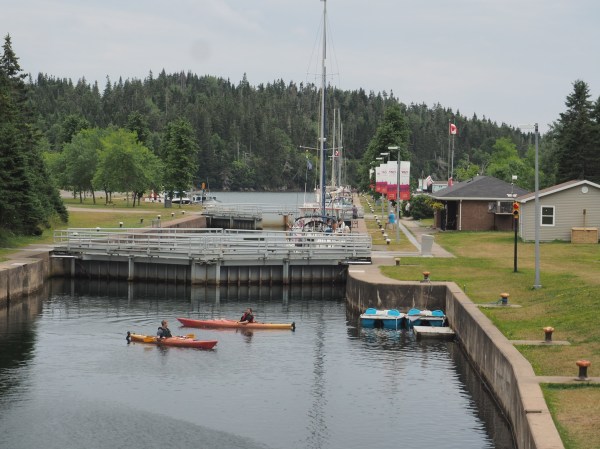
St. Peter’s is a collection spot for all boats heading south at this time of the year. There were boats from France, United States, various areas of Canada and Germany. Always a time for sailors to sit around the table with a bottle of wine and tell stories of where they have been and where they are planning to go for the coming winter season.
There is only one lock to go through. Getting an early start we went through the locks in the afternoon and tied up on the Atlantic side. With a promised northerly sector wind everyone had left the tie-up by 0700hrs.
And what a wild sail it was. We managed to follow the red buoys down the east coast and into Halifax with a rip roaring wind and pretty flat seas since we were on the lee side of Nova Scotia. There were periods of waves breaking into the cockpit, fishing boats to avoid and a beautifully clear night sky to guide us along the coast.
In 24 hours we sailed 145nm sailing into downtown Halifax at first light starting the engine only 10 minutes from the docks. An absolutely magnificent and exciting sail.
Summer Sounds of Music
“One good thing about music, when it hits you, you feel no pain” Bob Marley

With warming temperatures, sunny skies and a fresh breeze we sailed from Lunenburg and into the Bras d’Or Lakes of Cape Breton with a 2 night stop in St. Peters and 2 nights in Canso, the home of the Stan Roger’s music festival.
What an entrance to the Bras d’Or Lakes. Only one lock at St Peter’s canal and in 10 minutes we popped into the Bras d’Or Lakes – painless and a relief. Out of the constant easterly Atlantic swell and into the flat calm waters of the Lake.
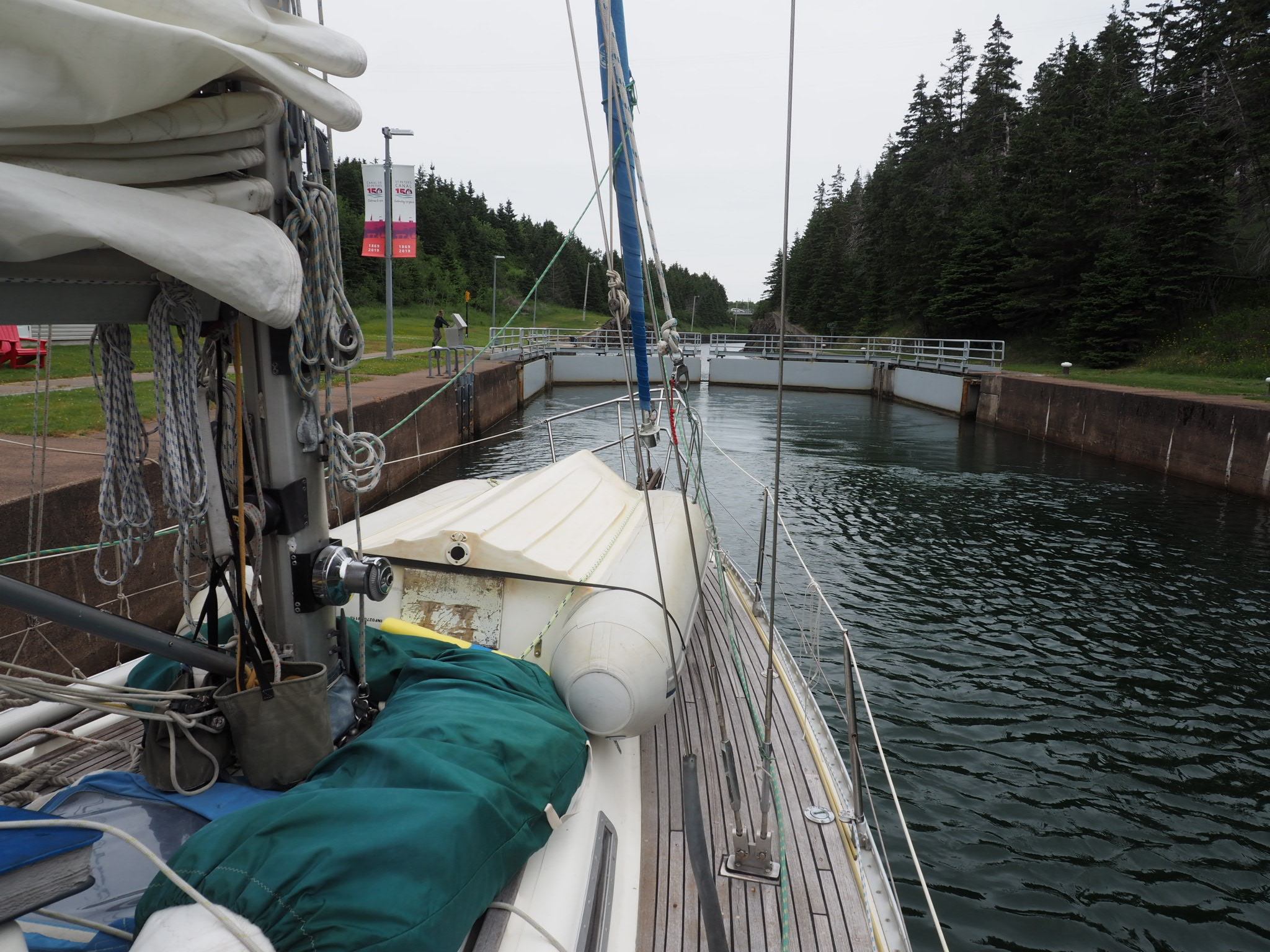
We were now in Cape Breton. First stop St. Peter’s Lions Club Marina! Two nights with cool gray weather but warm greetings from staff at the marina and a rousing music session around the lounge in the evening. Our first introduction to the fiddle soaked land of northern Nova Scotia. Just a casual get together on a Wednesday night with one fiddler, one singer, five guitars and one squeezebox player.
Time was running out. We were trying to get to Baddeck to rendevous with a few members of Connie’s family so the push was on to move over to the northwestern part of the Bras d’Or Lakes.
Baddeck – a town of perhaps 3,000 in the summer and probably a few hundred in the winter! Baddeck, from the water, is tucked in behind Kidstone Island. It has a government wharf, albeit small, and a small marina, Baddeck Marina.

Kidstone Island Lighthouse
The town’s major economic driver is tourism and the large number of Americans who come to sumer homes in the area.
Baddeck was home to Alexander Graham Bell and there is a Bell Museum. Bell’s home can be seen on a hill in the distance and talking to one of his relatives the home is still furnished and even has paperwork spread out on desks as it was when he died. The home was once open to the public but no longer as the family has been known to say there were too many artifacts taken so keeping it open as a museum was not in the cards
Settling into Baddeck life has been easy despite having no public transportation and no rental cars. There’s much to see in the surrounding area but much we can’t see due to restrictive transportation. There are no cars to rent and little public transportation.
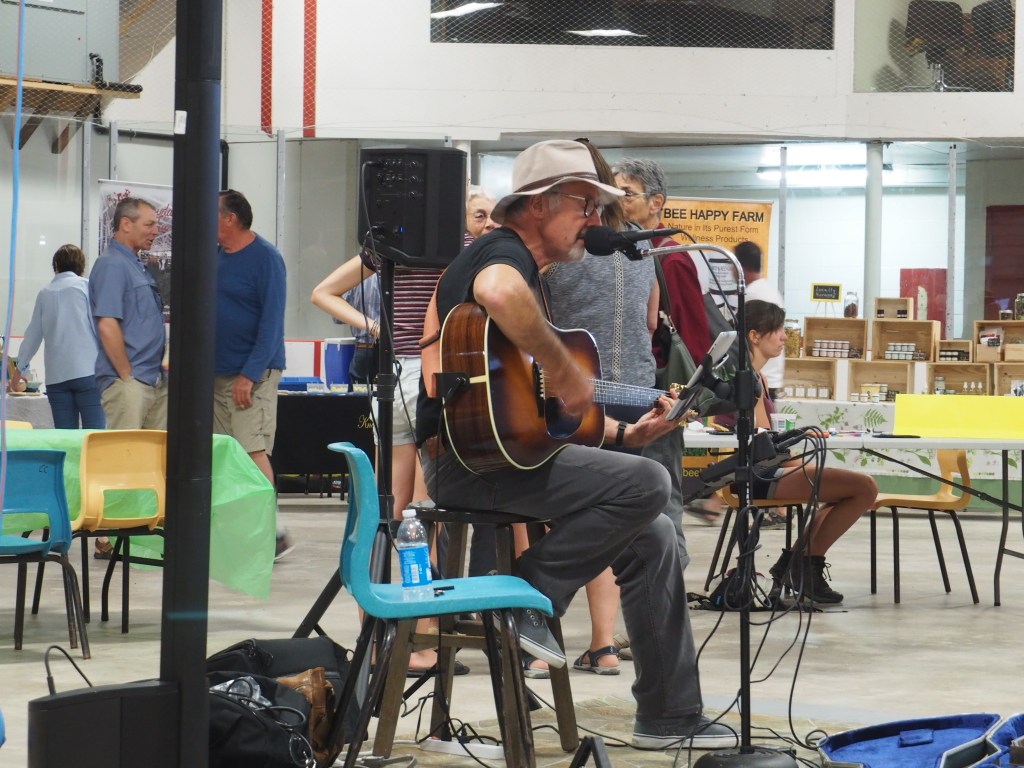
That hasn’t stopped us though. Being in the heart of Cape Breton music country we have taken advantage of attending caleidhs, theatres and other musical events.
The best so far has been a visit to The Barn in Margaree, 30km from Baddeck to see Ashley MacIsaac and friends.
How to get there – Hitchhike…

Connie hitching a ride outside her favourite Cape Breton restaurant
Yes, even 70 (or close to) year old people can hitchhike. We got lots of great stares, fast cars roaring by, slow downs for looking but no pick up and, inevitably, a pick up that got us down the road.
On the way we had three rides. Met some locals who we now see at the Baddeck market on Wednesdays, some out of town strangers who drove us further than they were going as we ‘sang for our rides” i.e. we told stories as we really can’t sing. We even had a chance to stop at the Dancing Goat for lunch before getting to our destination.
Our destination was Normaway Inn. The Normaway Inn is 3 km up a country road in the Margaree Valley. It’s also the location of The Barn, a magnet for performing musicians. It’s literally a barn but for many years has been used for performers of all ages and types to put on small concerts. The Barn can seat about 100 + many more standing.
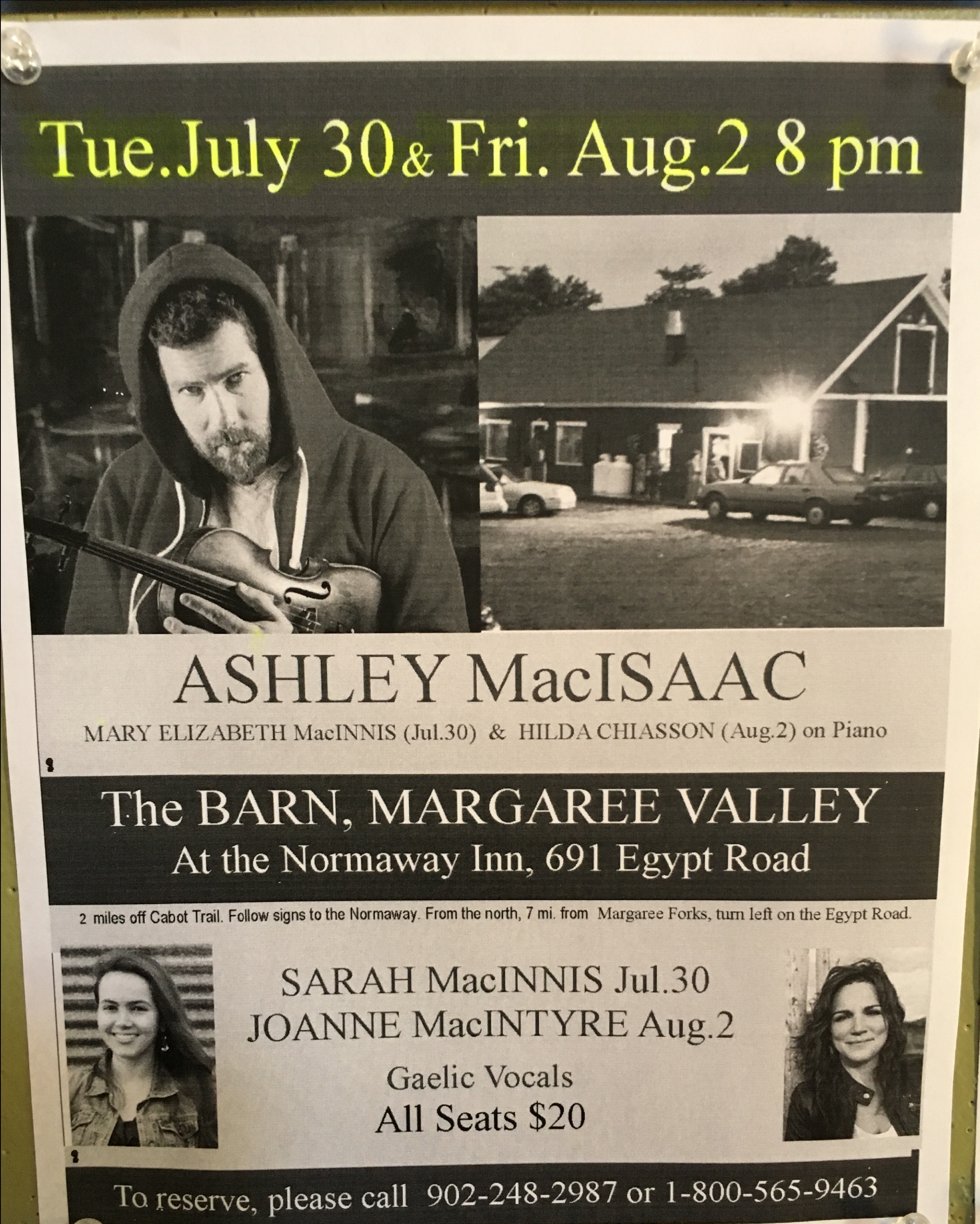
Ashley MacIsaac played a couple of sets – just himself and a piano player. Great reels, jigs and Irish songs. Energetic, excellent fiddler and a great raconteur. Ashley started playing at the Barn when he was 12 so he knows the people and the area and he was never short of anecdotes.
After playing the sets it was time to dance. The chairs were pushed aside, the floor cleared, a caller identified and the barn dance was on! What a hoot – not to say square dancing is my thing but we certainly had fun.
Calling it quits we spent the night at NormAway Inn. Highly recommended. Lovely hospitality, decent food and a lovely setting. A hearty breakfast saw us on our way. Not having much luck with hitchhiking the back country roads we walked 3 km to the main road and were soon picked up by a couple from Sydney who dropped us back at Baddeck Marina.
A great 2 day excursion off the boat.
 Normaway Inn – main lodge
 The Barn
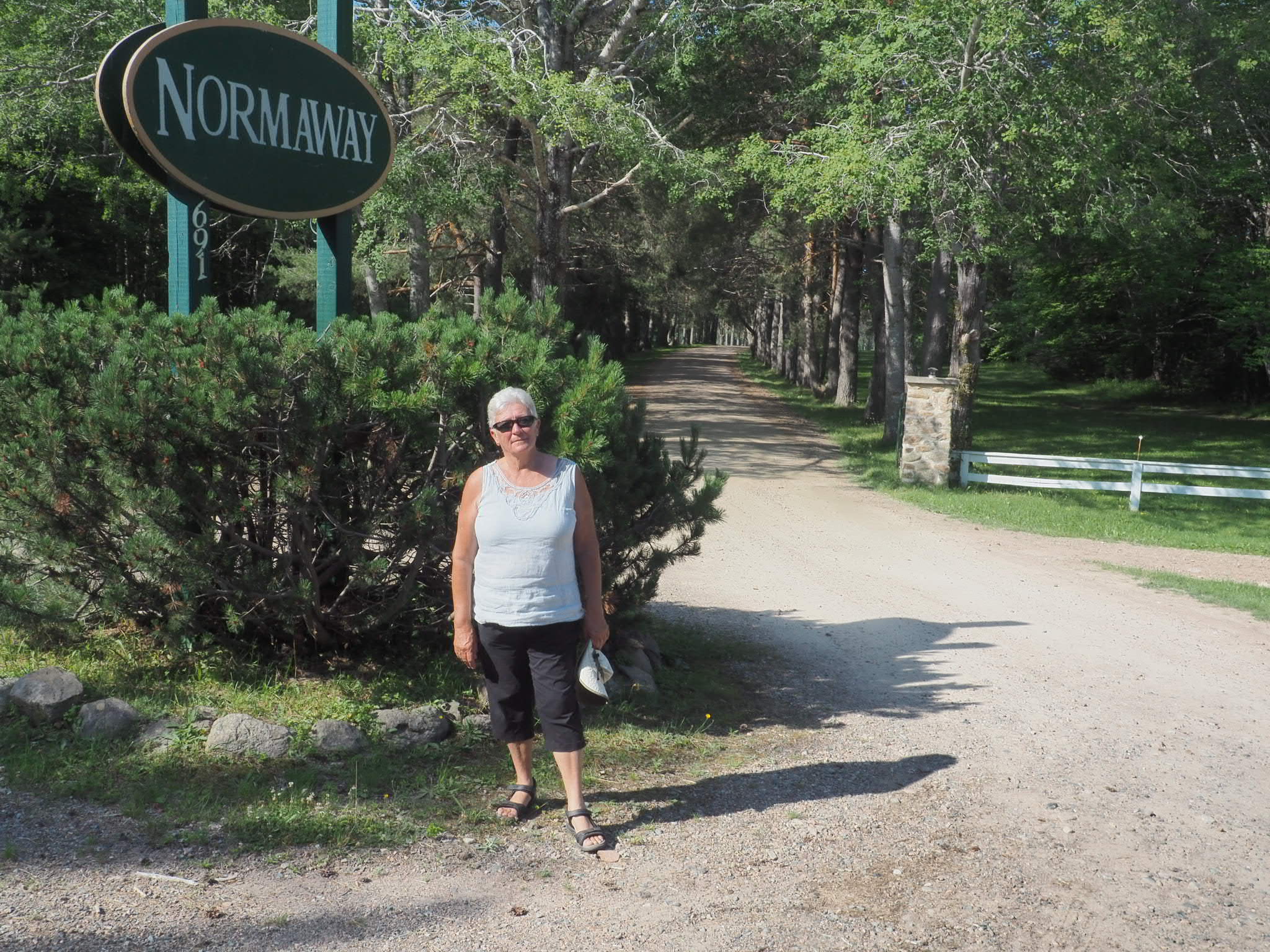
Driveway to Normaway Inn
The Sailor’s Dilemna
“I found the best things in life are free – I found them very expensive” E.A. Bucchianari
Relaxing in an anchorage with good wi-fi we accessed the sailor’s bible, Noonsite, to read a recent news posting on propsed fee changes for boats visiting Palau. The title of the article is‘North Pacific; Palau fees increase by 400% for visiting foreign vessels’.
We have visited Palau twice in our offshore sailing experiences; once in 1988 and once in 2011. In 1988 we paid, in advance, a fee of $75 for a one month stay. On arrival we could find no official that would admit to having received our letter and cash (advance application required) and thus paid another $75. However, we were then told that because we had not applied in advance that we could only stay 10 days. Despite pleading with officials we could not extend our permit so rushed out to the Rock Islands and returned to Koror leaving 10 days later for the Philippines. Needless to say we were highly disappointed but were amazed by the dazzling beauty of the area.
Having wanted to stay longer we vowed over the intervening years to return to Palau. In 2011 we returned.
We weren’t required to apply in advance but we were only allowed to stay one month ( + 2 months X 1 month extensions) and the fee structure had changed. On arrival we paid $50 for the first month + a cruising permit of $80 for one month + $100 environmental fee + $100 ($50/person)/10 days to visit the Rock Islands (add another $100 if visiting jellyfish lake). There was also a departure fee which I cannot remember the cost. Needless to say we did not request a second month after learning we would have to once again pay for a cruising permit and other fees.
I tell this story because our experiences over 20 years of long distance cruising have shown a dramatic change in entry requirements for offshore sailing boats around the world.
Most western European countries and North America have not instituted cruising permit fees, environmental fees, diving fees, garbage fees and/or anchoring fees. One travels to most of these countries much as though one were camping or simply driving through. However, underdeveloped counties in search of ever needed cash are seeing the yachting community as easy targets for fees related to entering and travelling through their countries.
We have paid fees now for places like the Seychelles ($535 for 2 months), the Maldives (approximately $800/2 months, Chagos ($400/28 days + a requirement for wreck removal insurance – $880/year that covered wreck removal should one end up on a coral reef) and Sri Lanka (requirement that all boats work through a broker which adds to the fees) – $250 for one month. The list goes on and the fees keep on increasing.
In our 1980 voyaging, fees were low or non-existent except for French Polynesia. Polynesian fees were low but they did require all yachts to put a deposit down which was the equivalent of the cost of an airline ticket back to your home country. For us, from the West Coast of Canada, the cost should have been that for an airplane back to Vancouver but they wouldn’t accept anything but the equivalent cost of an airplane ticket to Montreal!
While cruisers complain (comes with the territory) it’s hardly a wonder that these countries adopt fees. Sailors are generally far better off than the people in remote places of the world. Like all sub cultures there is a vast differential in each yachts income. In the 1980’s the average size of boats voyaging offshore would have been about 10 metres whereas now the average yacht length is about 15 metres. Most offshore sailing yachts now come equipped with water makers, satellite communication devices and small percentage with washing machines and air conditioning. Does this mean there is a more affluent mix of yachts cruising offshore?
I know that we are better off now than in the 1980s but we saved our money and luckily don’t have to work along the way like we did in the 1980s. But we are 30+ years older! I don’t object to these added fees as I see it as a way in which these small countries add to their treasury. However Palau is an exception and a trend setter. They set fees in the 1980s and increased them slowly over the years and now they are exceeding all expectations.
And now they want to increase them by 400%! Is it worth it?
They are not the only country with beautiful countryside, exceptional diving and snorkeling and parks. Other countries will follow suit and it’s a trend we have been witness to for 40 years and for a portion of the cruising fleet it’s untenable. There are still many cruisers sailing offshore simply on a minimal income. Many have given up earnings to retire early and fullfil a lifelong dream. They have smaller and simpler boats outfitted with only the most necessary gear and look for the simplicity of isolated anchorages as a way to stretch limited incomes. With increasing fees the opportunities for enjoying ‘simple’ cruising becomes harder and harder. Eventually it will only be the larger and more luxurious yachts that will be able to enjoy these opportunities.
An often touted statistic used in economic studies on tourism is the amount of money spent by a tourist per day. For those on cruise ships I think the figure is an average of $35/day/passenger. For those in all-inclusive resorts I would expect it to be even lower since everything is paid for prior to leaving a home country.
I don’t recall any study I have read that has asked the offshore cruising community what their expenditures are. I’ll bet it’s way higher than most forms of tourism. We stay for longer periods of time in most countries, shop daily from stores or local markets, repair equipment involving the purchase of locally supplied boat parts, purchase fuel and a myriad number of other monetary activities.
It’s not only the spending of cash but sailors bring their work related backgrounds in to play whether they be doctors, nurses, mechanics, technicians, builders, refrigeration specialists etc etc. Not only offering asssistance to remote communities sailors participate in trade and commerce bringing hard earned cash into the communities by purchasing arts and crafts as well as foodstuffs. We are not like the average tourist who comes for a 1-2 week stay in a resort who rarely interact with the locals nor like those on cruiseships that disgorge tourists to rampage through an area and rush back to the cruiseships for their meals.
A very good example of the above is the work that many cruisers did in Dominica after the hurricanes in 2017 which devastated much of Dominica’s infrastructure. Cruisers came together from all over the Caribbean to help rebuild and donate whatever they could to the rebuilding of commercial enterprises that would go to suppport self sufficiency.
So where does this leave the sailor? In our experiences high latitude sailing experiences are usually free of fees. They are generally more welcoming, less travelled, more challenging BUT colder!
To stay sailing in the tropics make sure there is a line item in your budget for fees as they are getting more prevalent and ever increasing.
Lunenberg – A Gem
Lunenburg – what a gem. Or is it just that we need a small town with a few services and a comfortable and safe anchorage to just kick back a little.
Despite the cutesy aspects of Lunenburg we were impressed at how vital the shoreline was with many of the old boat and fishing related activities keeping the town real and not simply a place for the enjoyment of tourists.
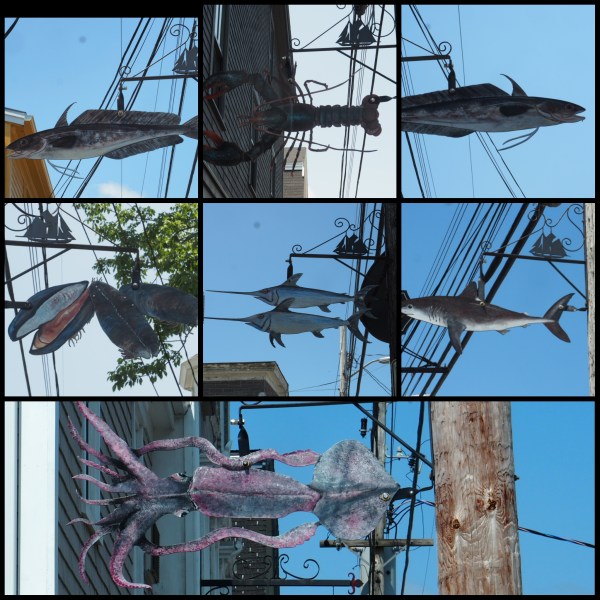
Fish of Lunenburg
We would sit out on deck under good weather and every afternoon watch the sailboats weaving in and out of the harbour. Some were taking the tourists out for sail but many were locals out enjoying the late beginnings of summer weather.
We could have stayed in Lunenburg the entire summer as the anchorage was good, the sun shone and the Mahone Bay cruising grounds lay close by.
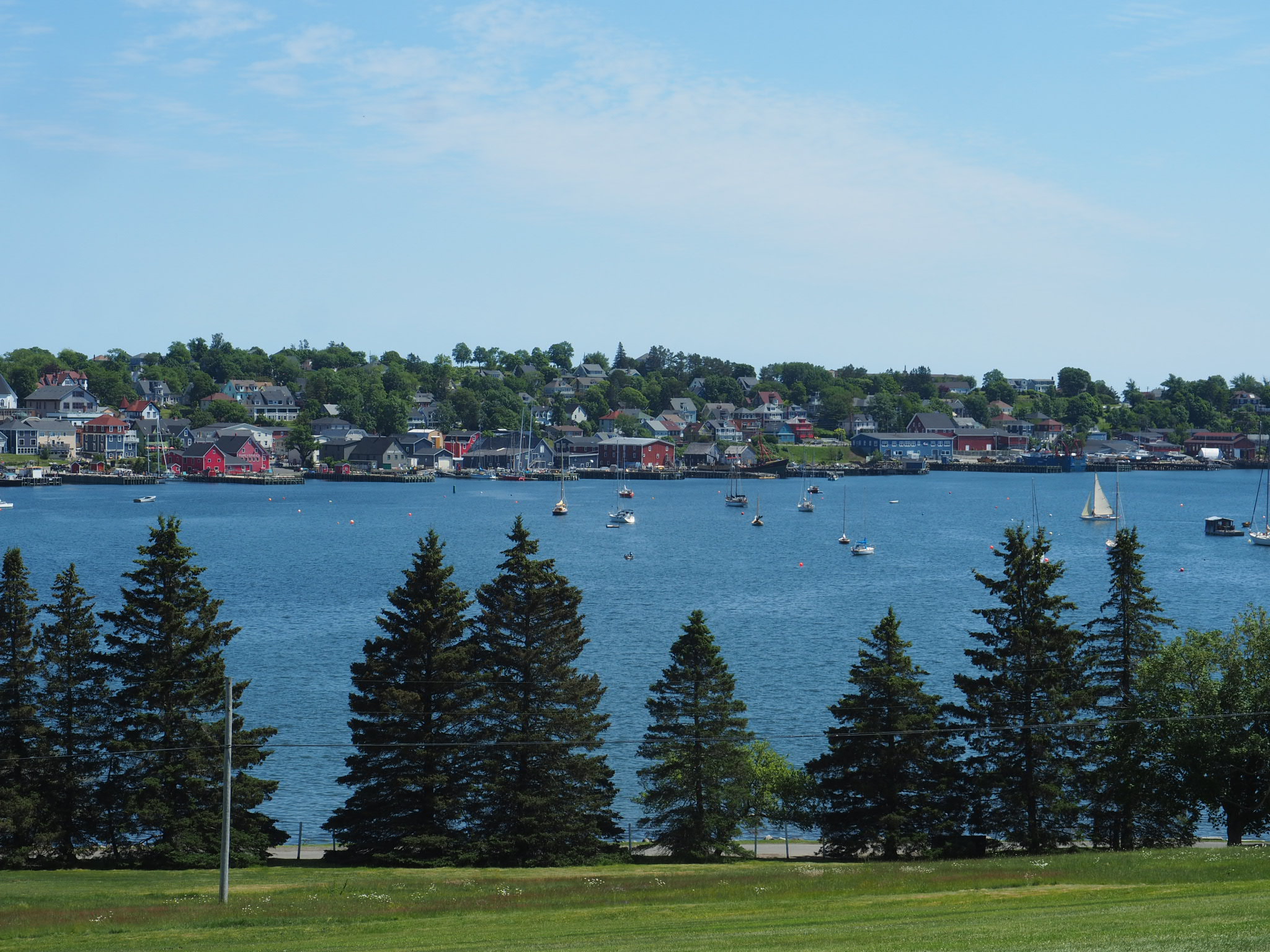
Across the bay lies Lunenburg
Our stay was highlighted by a visit from my brother and a friend of a friend, Sue, who spent the day driving us around discovering where to get propane, where to store the boat for the winter and having a drive around complete with a short ferry trip across the La Have River.

Connie and Sue
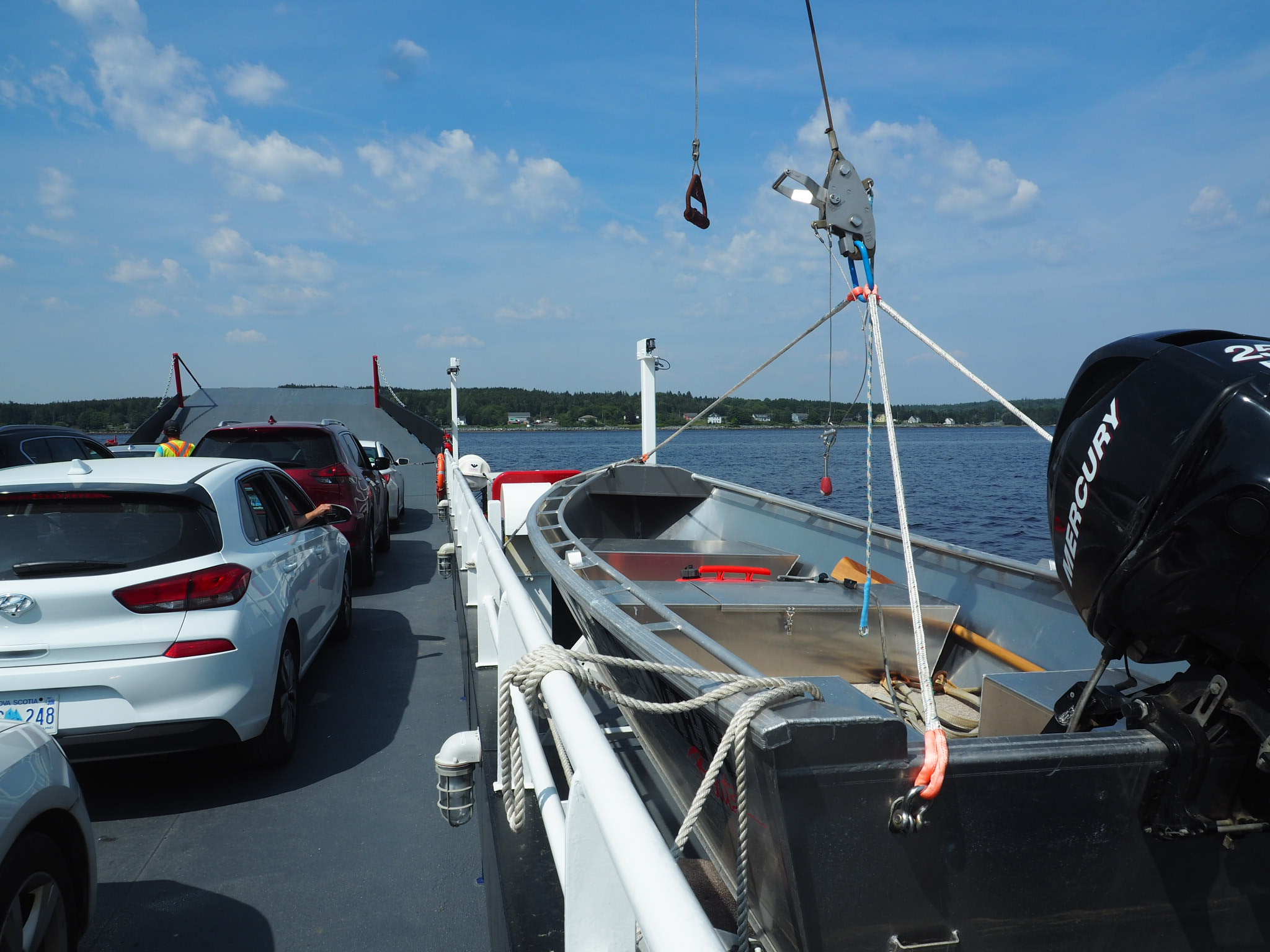
La Have River ferry

Saturday was market day – and boy were we surprised. Held in the local arena there were great pickings. Everything from lambskins to eggplants and beyond. It was way larger than we were expecting and a great place to talk to locals since there was little advertising so generally tourists were not aware of what was happening.
Being so picturesque Lunenburg attracts a lot of tourists. There are some great arts and craft stores, good restaurants and a vodka distillery – Ironworks. I think we’ll return.

Moving North of the Ice Wall
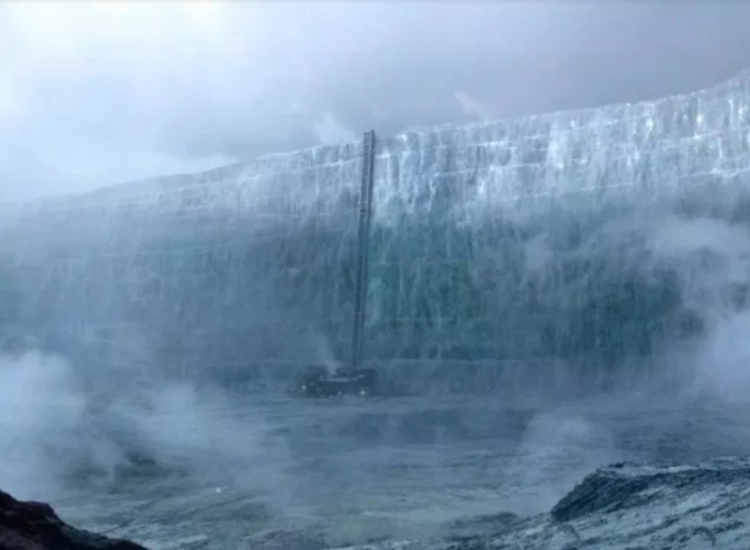
9 years since Sage left Canada and here we are back north of the Ice Wall!
We made the jump across the Gulf of Maine deciding no longer was it in the books that we hold back waiting for warmer weather – it was now or never.
The crossing was one of the slowest in Sage’s history. Dogged by cells bringing rain and lightening and, taking away the little wind we had, left us bouncing around with slatting sails. Making the best of it and avoiding the closer-than-comfort lightening strikes we eventually sighted Cape Sable. Wow, we are gobsmacked – Sage is back in Canada.
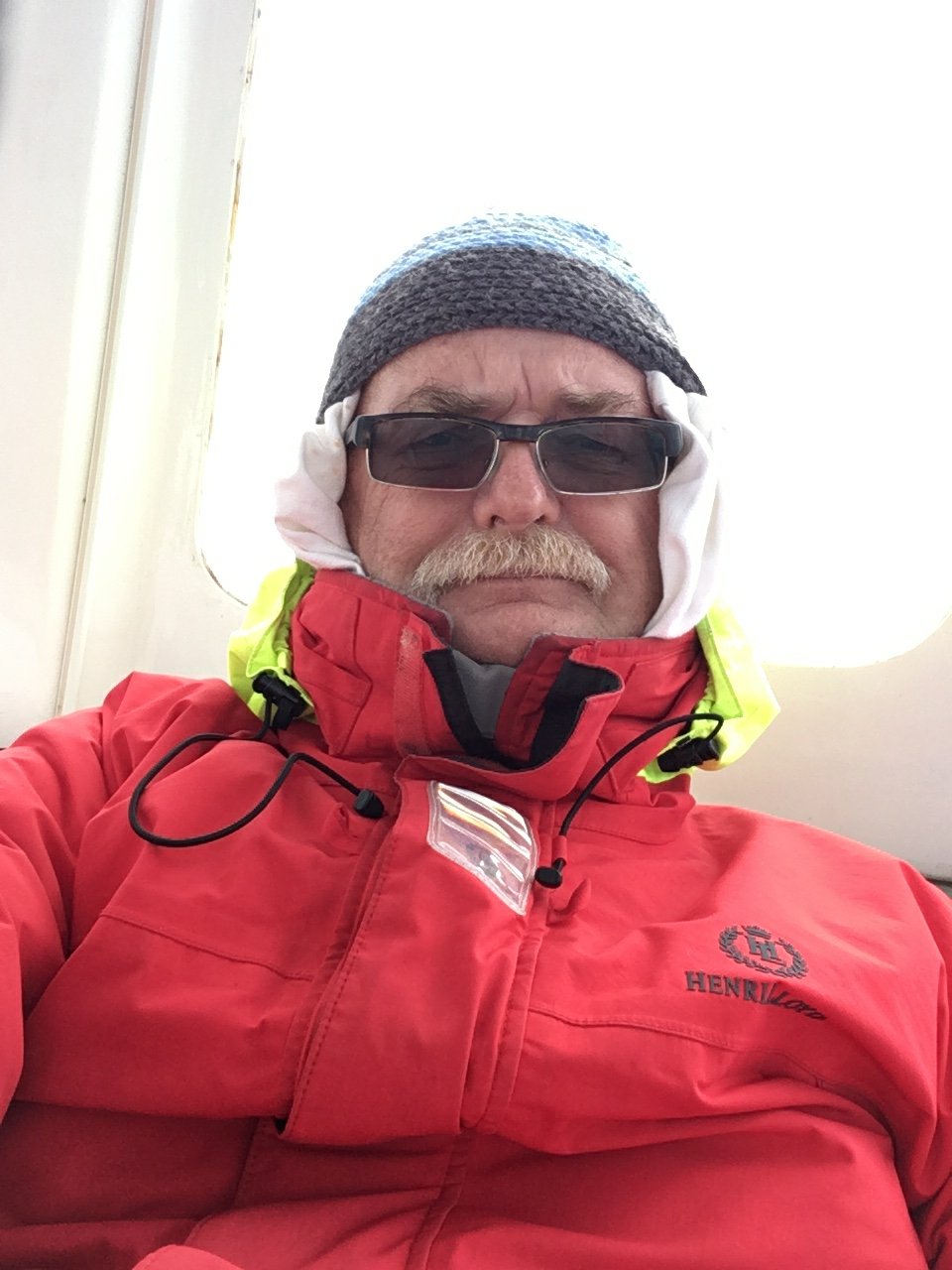
And this is summer sailing on the east coast of Canada!
Our first Port of call was Shelburne, a clearance port for Canadian Border Services Agency(CBSA). Located approx 7 miles up an inlet it proves to be a great refuge for a tiny but extremely friendly Shelburne Yacht Club. With an approximately 50 metre dock there’s lots of space for visiting boats. Instead of anchoring we chose to tie up to the dock and take the power option so we could plug in the heater! Although the trip from Provincetown was only 2 overnights we’re tired, cold, wet and anxious for a little comfort – Florida is even sounding great at this point!
But Shelburne is very quaint. Low on services but high on friendliness it only takes a couple of hours wandering around to get our bearings. Of course, true to the east coast of Canada much of the 2 hours is taken up chatting with pedestrians, shopkeepers and any poor soul we ask directions to. We quickly get the lay of the land, are shocked by the prices of properties advertised in the real estate windows and enamoured by the architecture.
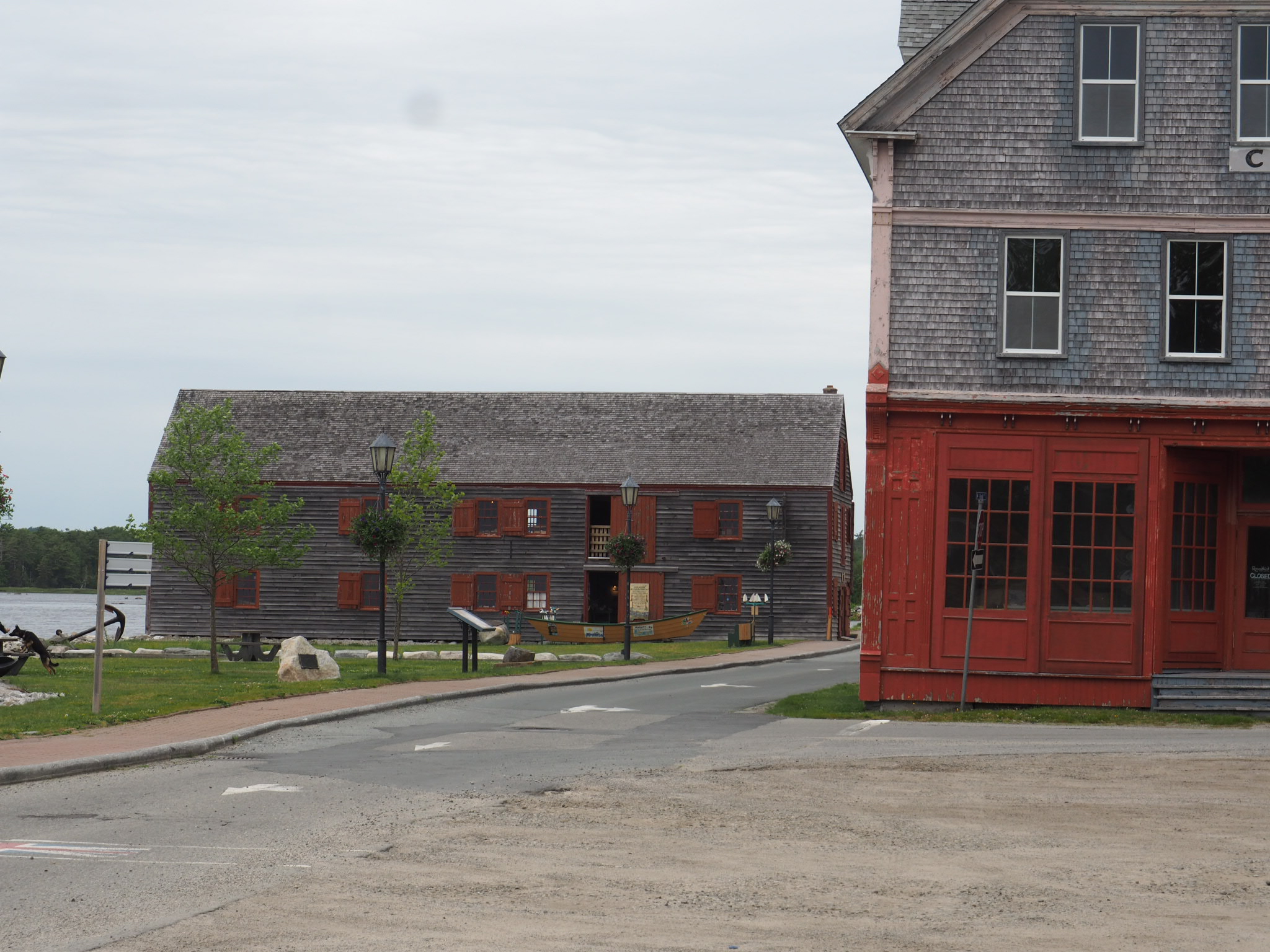
Beautifully maintained buildings dating back to the late 1700s
Like many small towns in North America the biggest impact to downtown is the tiny plaza and Sobey’s grocery store that was allowed to be built 1.5km from the main street. I bemoan the loss of foot traffic that would have helped downtown Shelburne to thrive. Out at the plaza cars come and go in a constant stream but the downtown has closed up shops, quiet sidewalks and a dirth of shoppers.
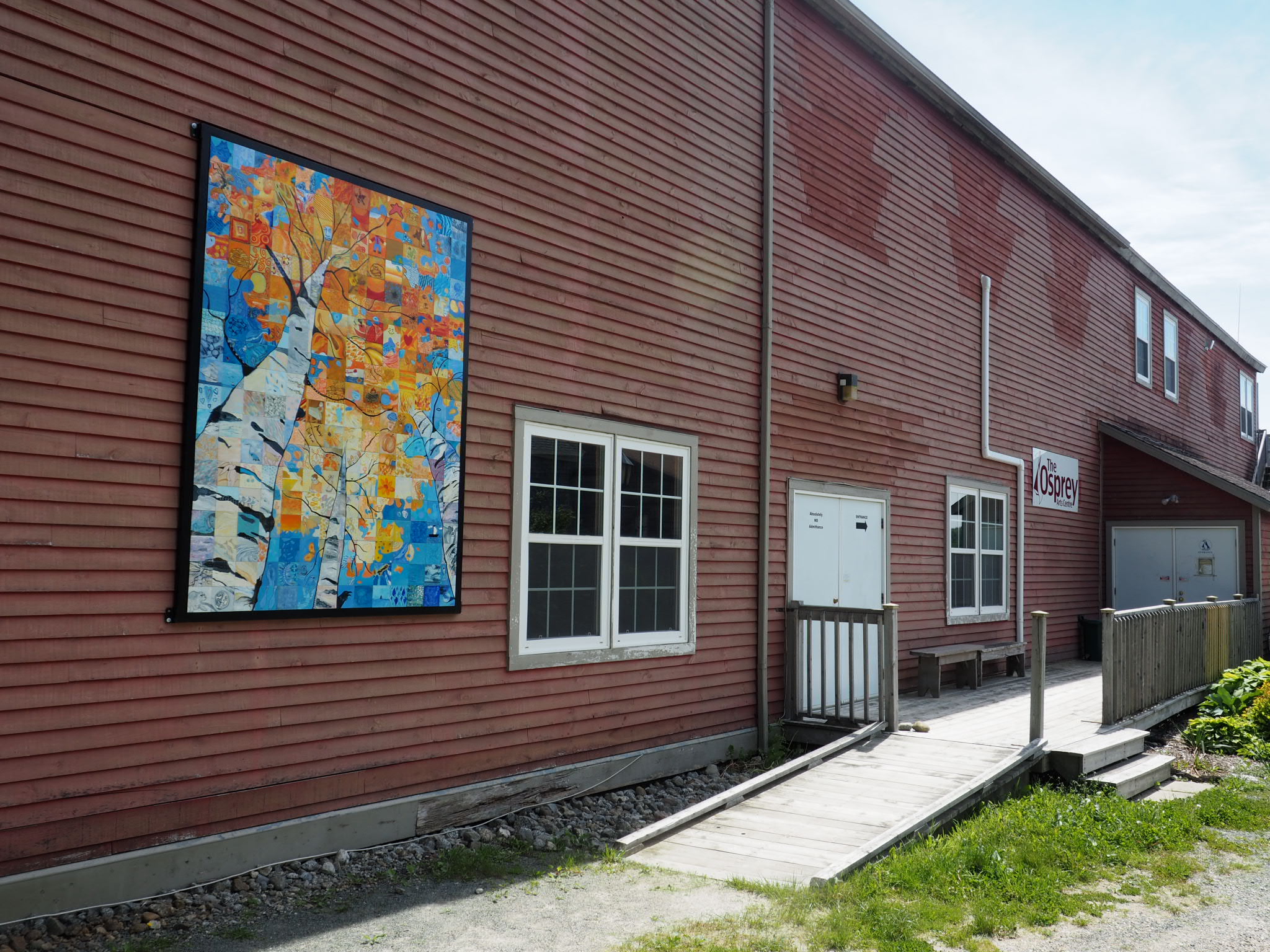
Art shops/galleries abound
One advantage of an abandoned downtown are the spaces left free allowing artists and craftspeople to rent spaces as workshops or display areas. The downtown is far more interesting than the local plaza with Sobey’s and the Dollar Store.
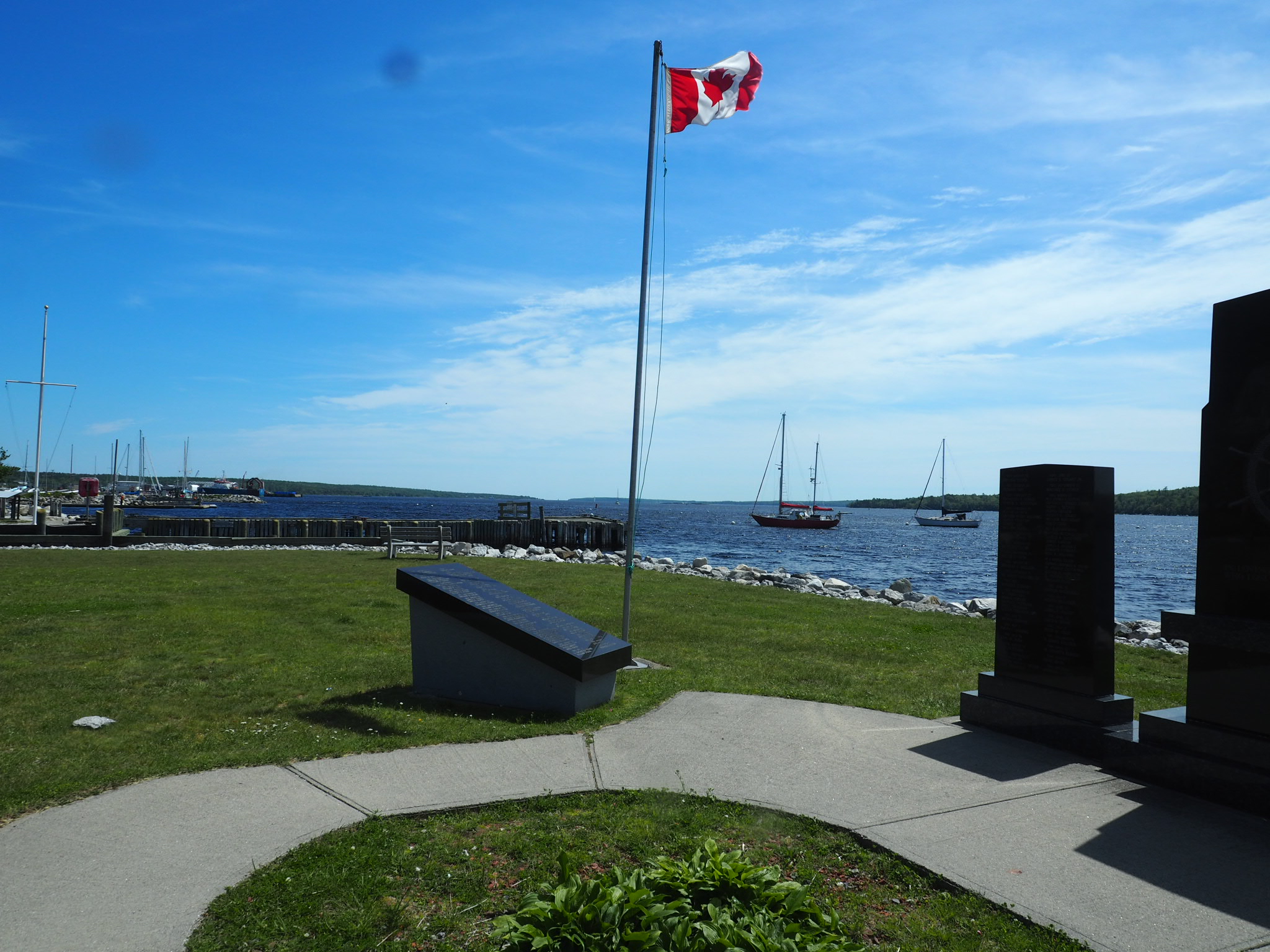
The inlet, anchorage and yacht club
The yacht club is quite the hive of activity. Unfortunately the yacht club suffered a fire which meant the club is now a trailer in the parking lot until the damage is repaired and they get to move back to their original building.
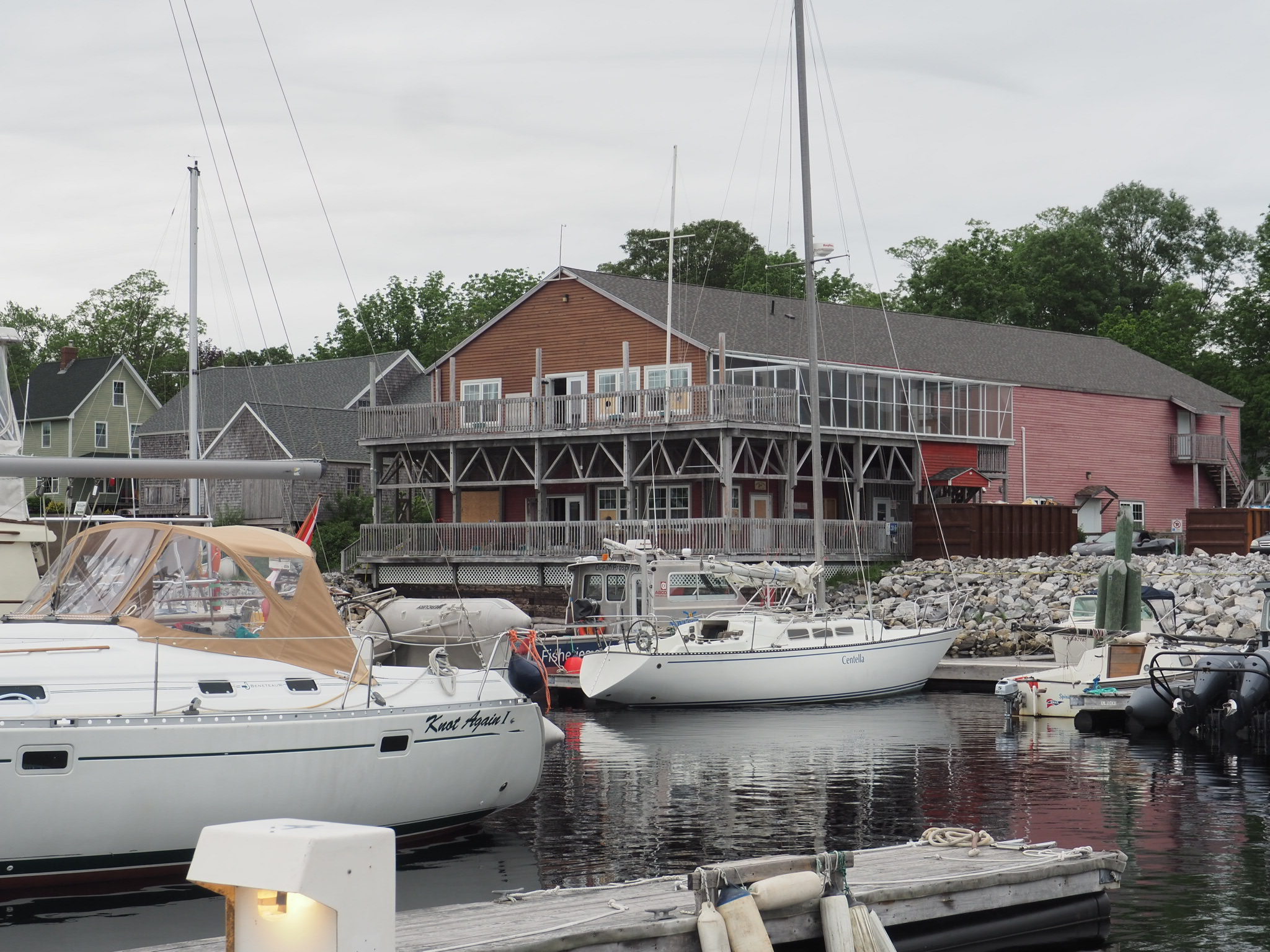
Shelburne Yacht Club
Most of the damage was a result of smoke so the club should be back into their building soon. In the meantime people gather outside for afternoon drinks when the sun shines, have regular sailing races on Thursday and manage to get the launch out for training runs.
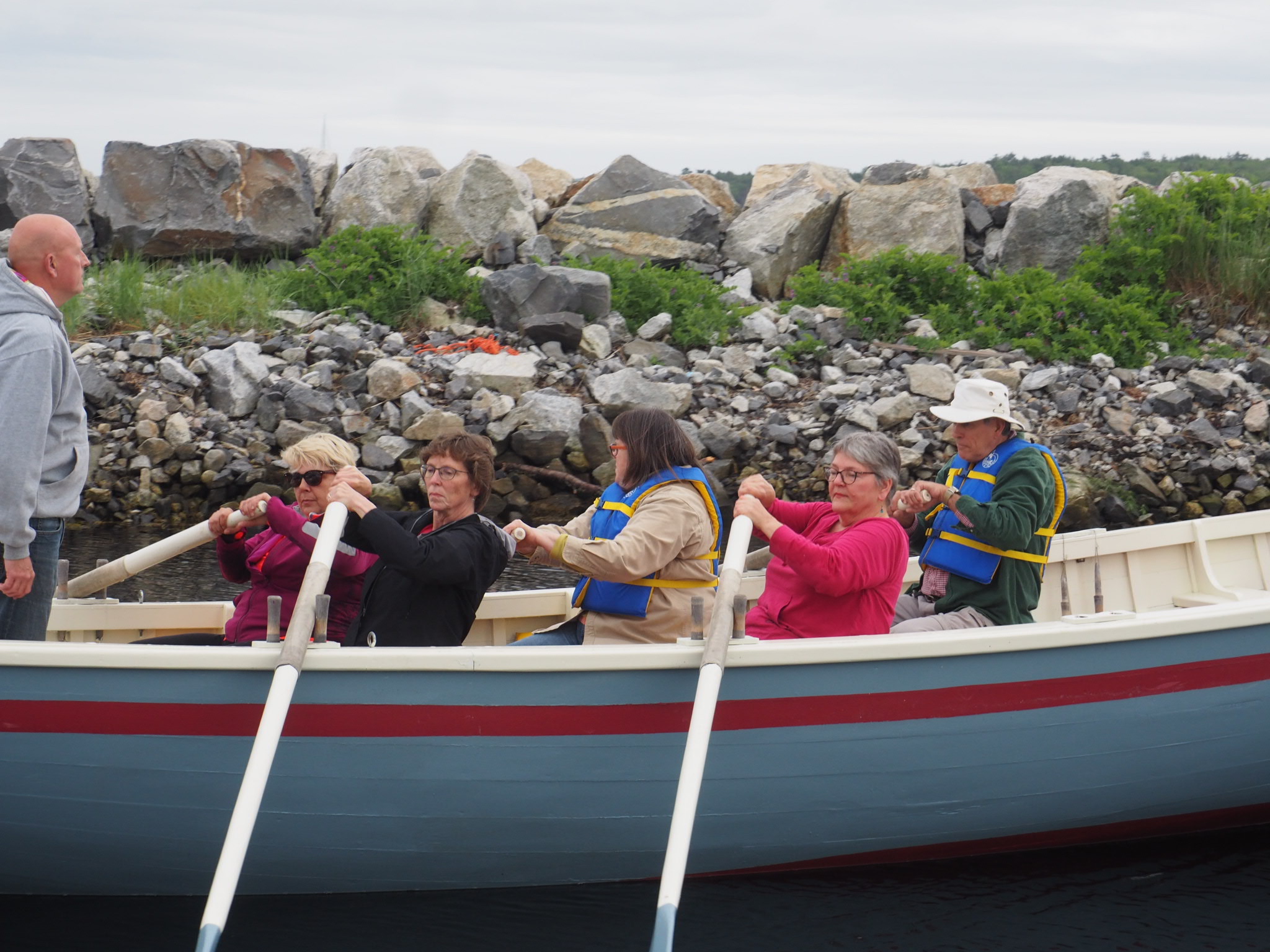
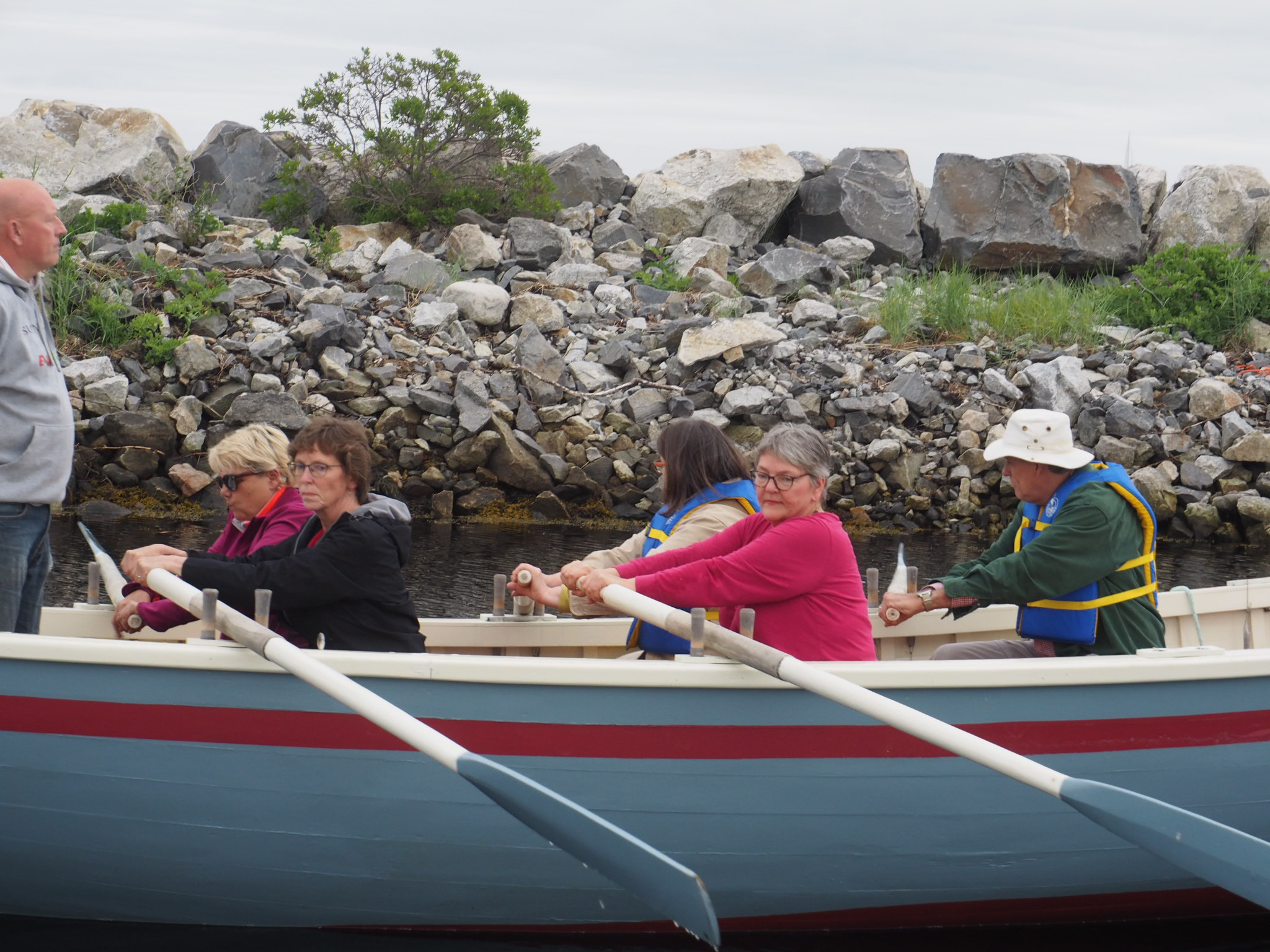
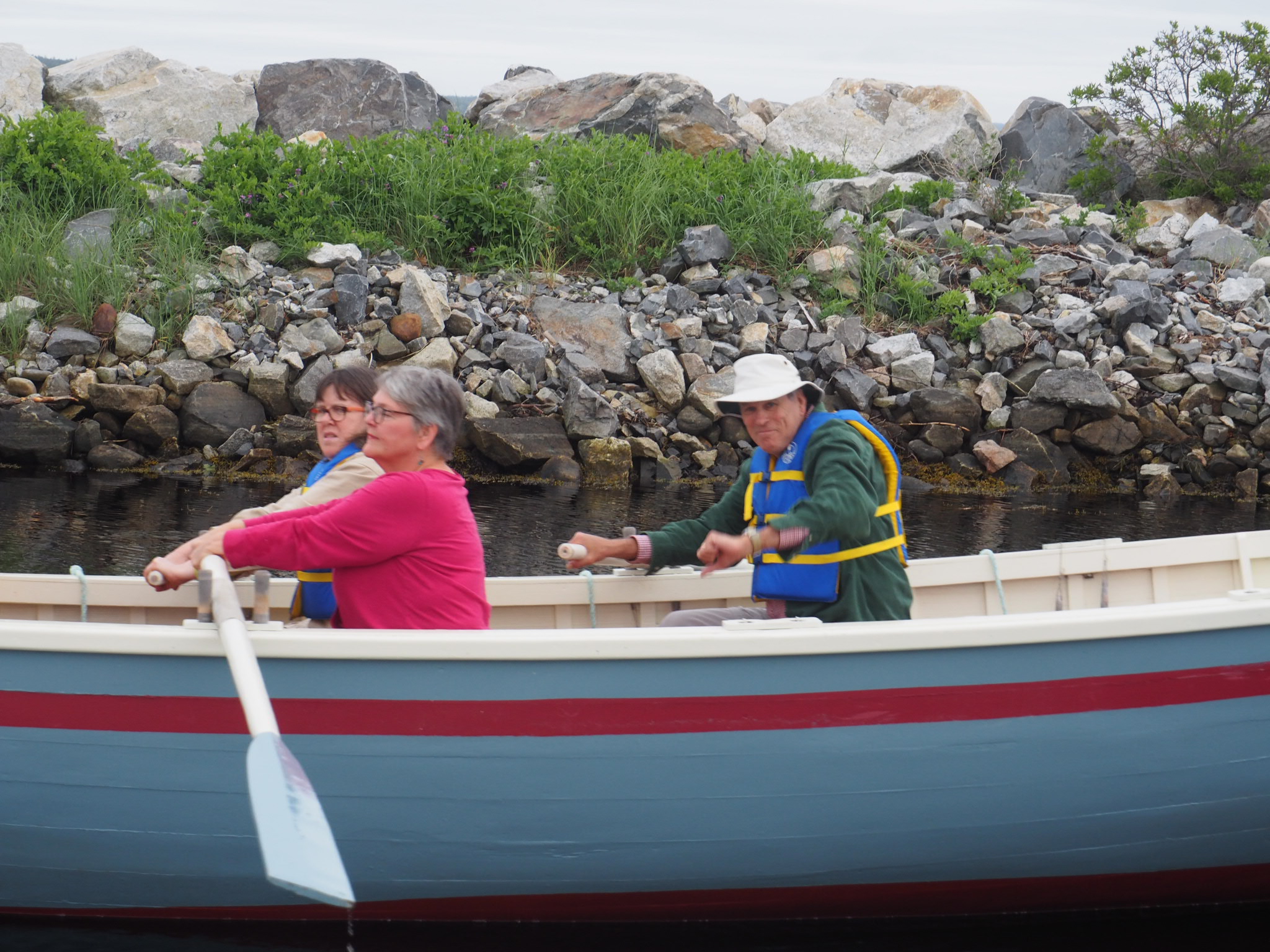
Obviously the bowman is not impressed by his fellow crew members!
It’s a great place to connect with the history. The town dates back to the late 1700s when there were 17,000 people living here after the American war off independence.
Just a Few Pictures
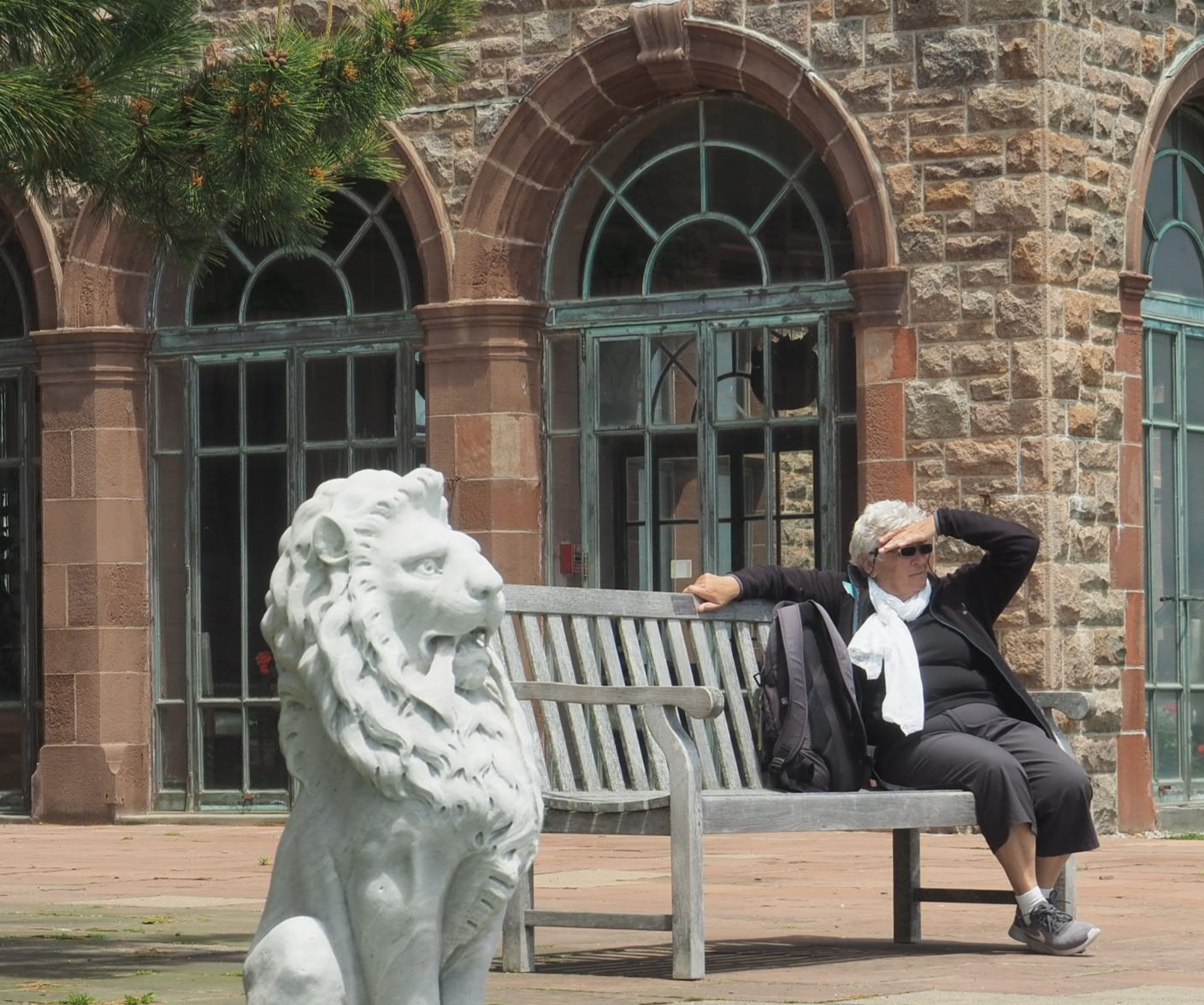
While in Newport we visited 2 mansions – first a summer home (called The Breakers) of the Vanderbilt family and then the summer home (called Rough Point) of Doris Duke (back in Hawaii we had visited another home of Doris Duke called Shangri-la)
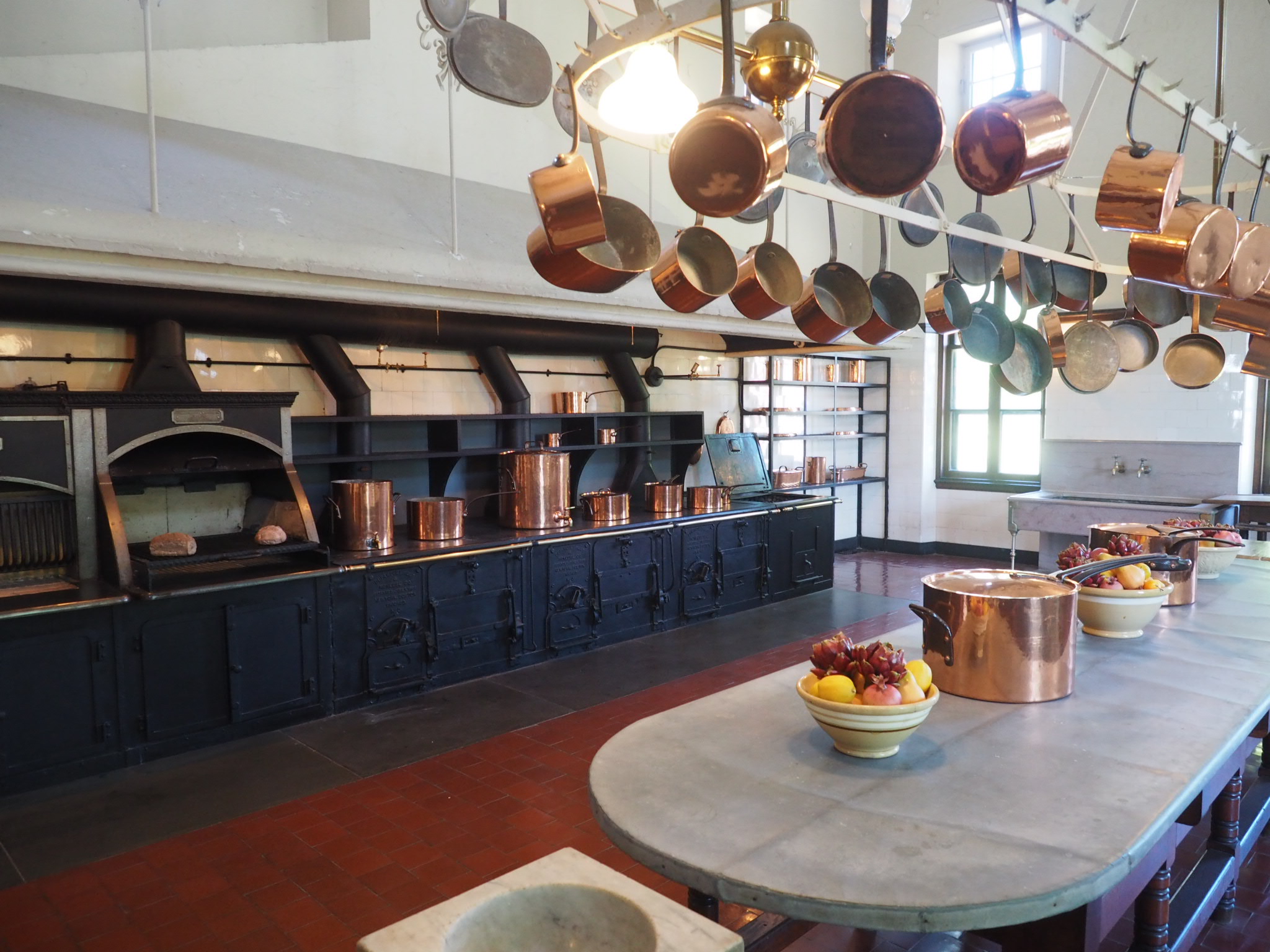
This is the kitchen in the home of the Vanderbilts
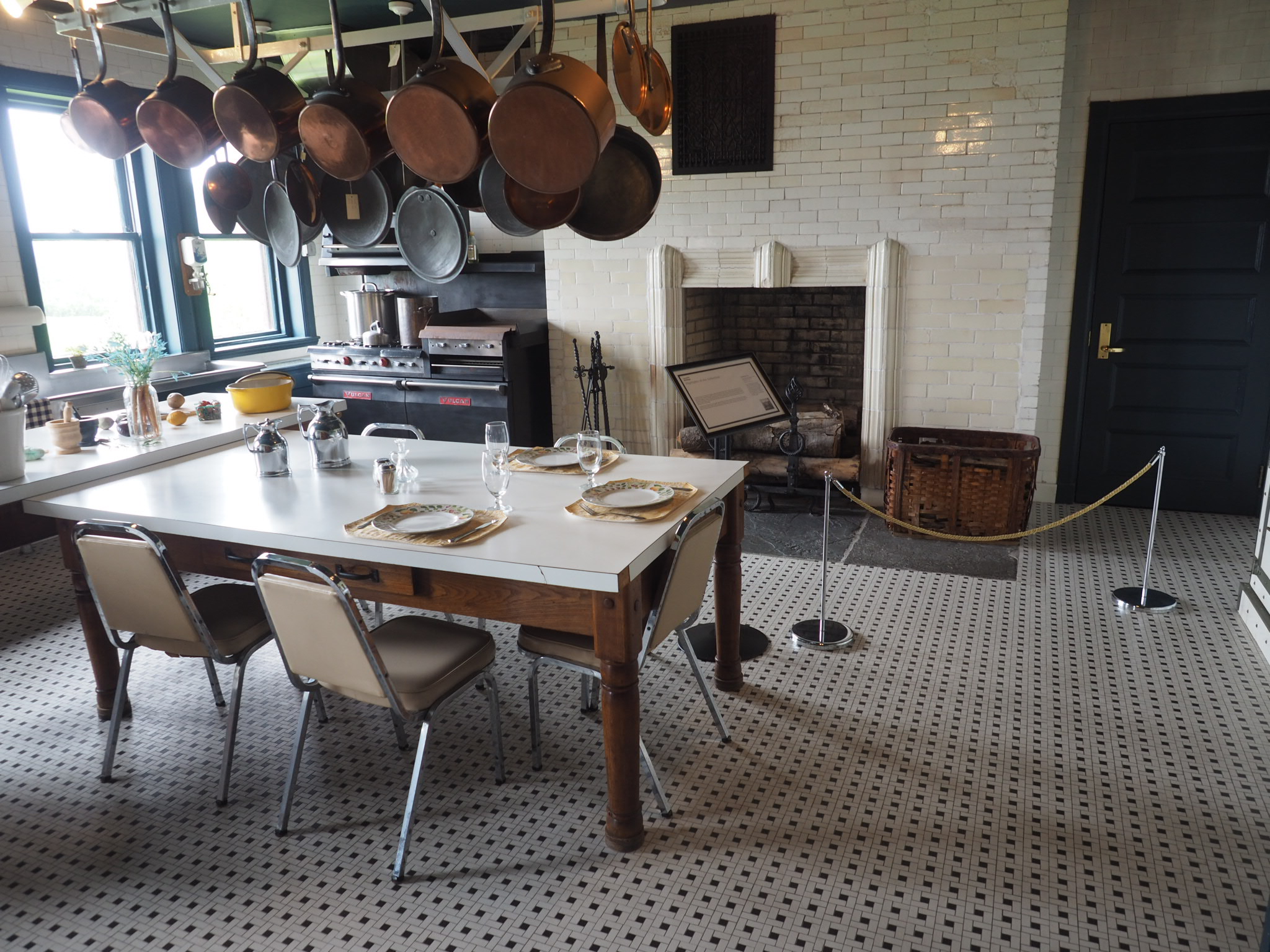
This is the kitchen in Doris Duke’s home
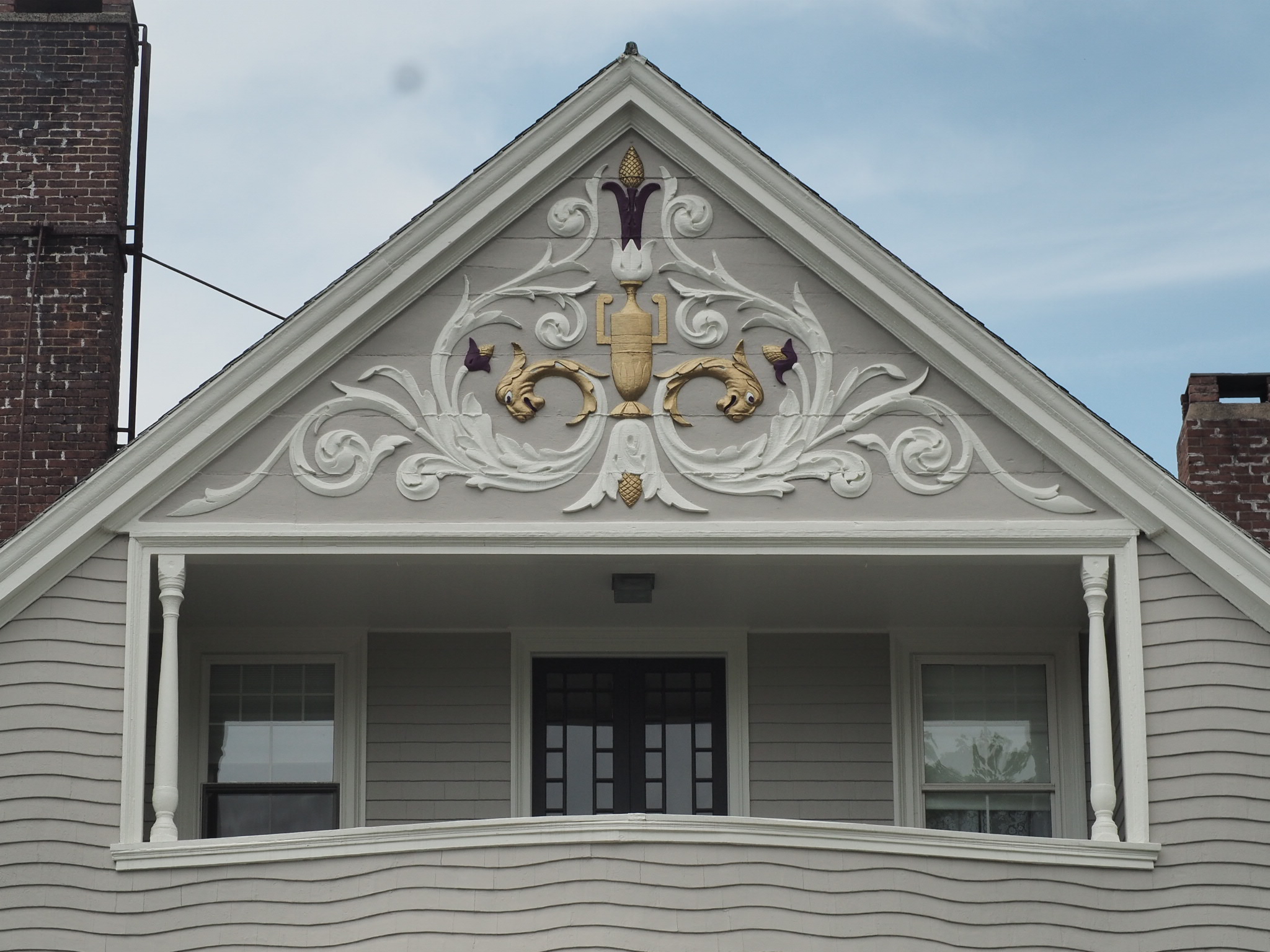
So many beautifully restored older homes in Newport. It’s great to just take a few hours and wander the back streets f Newport to enjoy the efforts gone in to maintaining the ‘old’ Newport
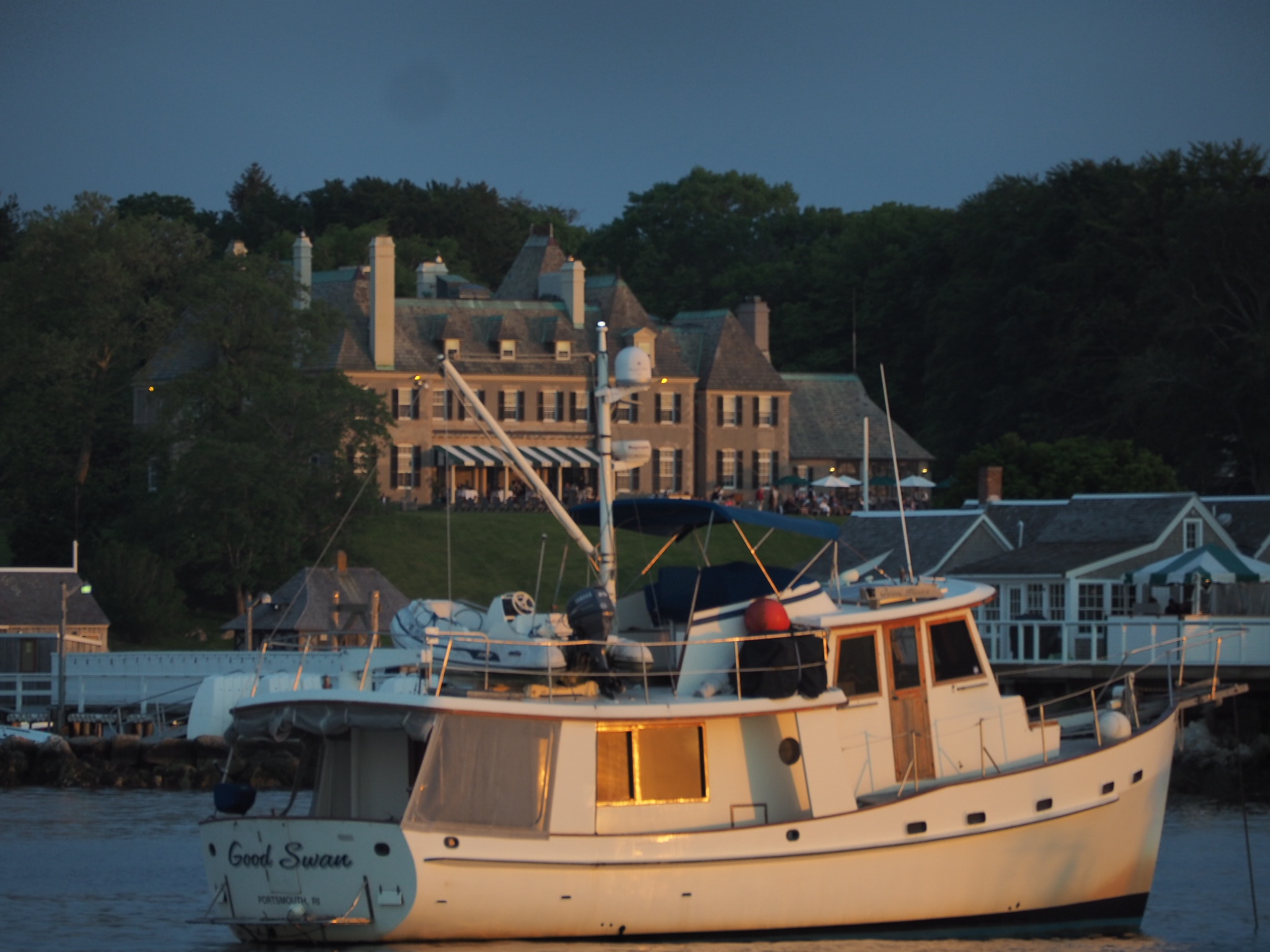
And for those of you with deep pockets you can always join the New York Yacht Club. This is one of their shabbier outstations
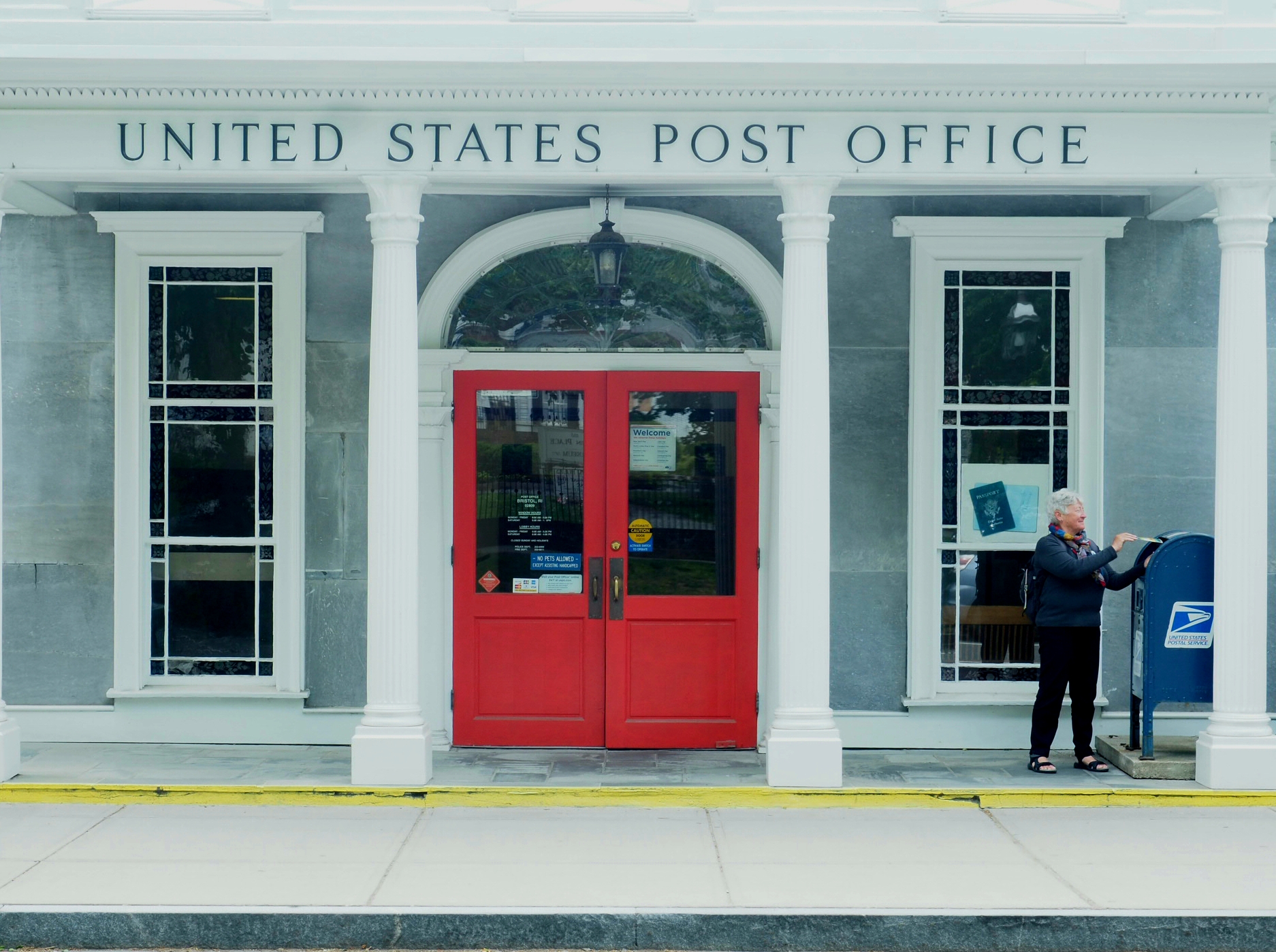
Connie mailing several of those oh so important post cards off to friends and family
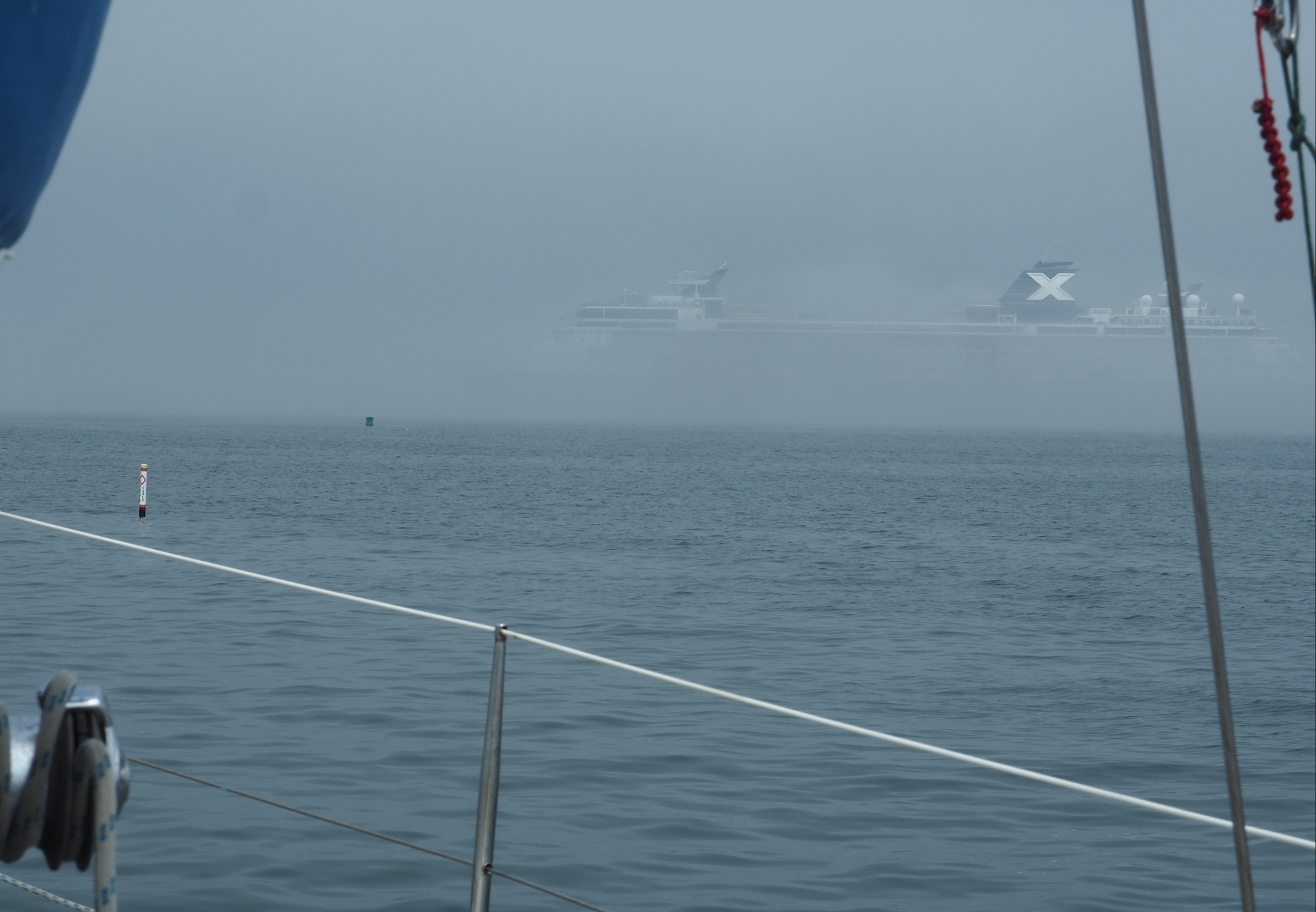
X marks the spot. One had better get out of the way even if you can’t see the ship
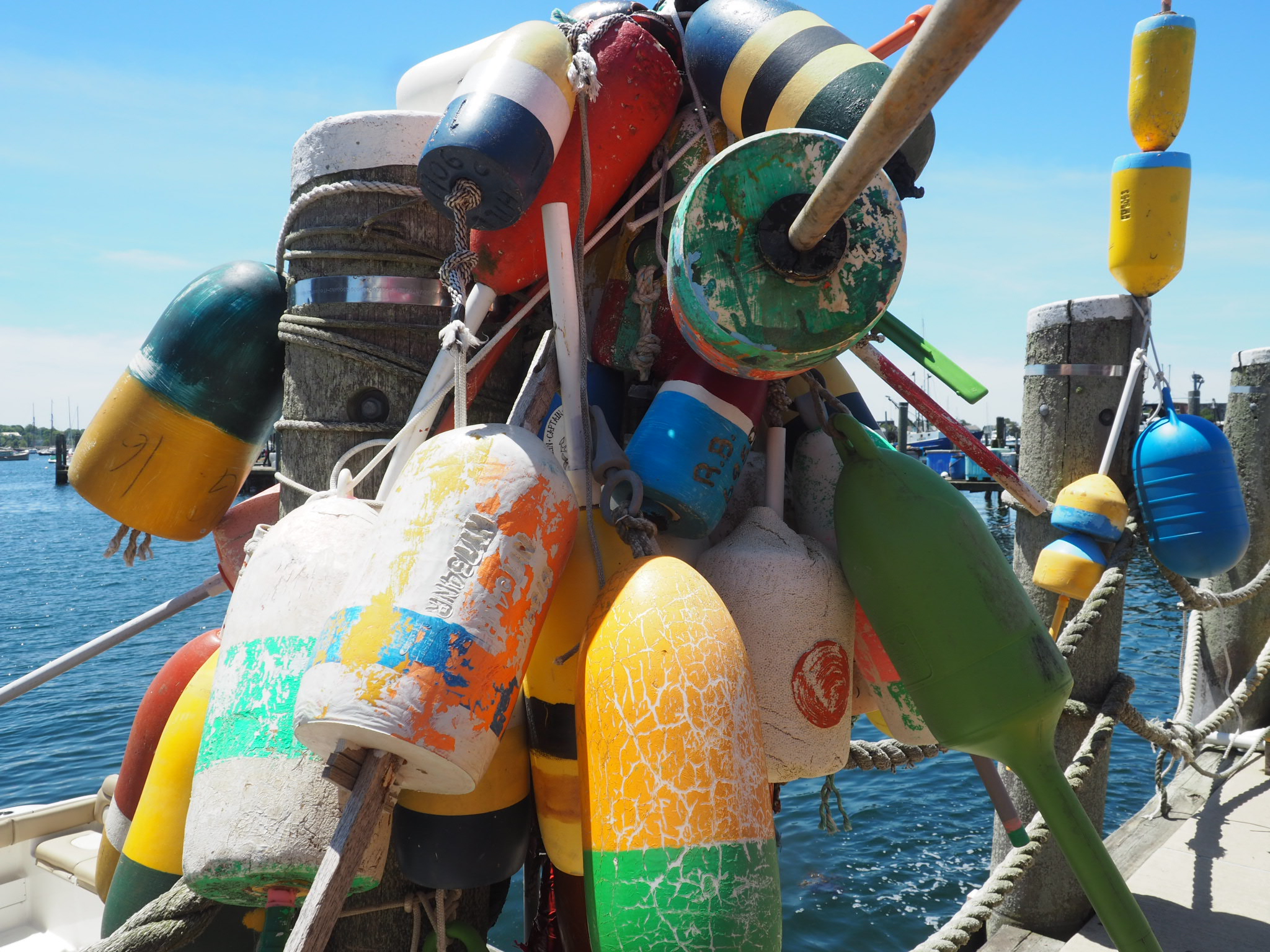
Damn things are everywhere. There’s hardly a minute out on the water that one doesn’t see one of these floats (photo by Connie)

Can think of a number of men who would love to participate in this elder care program
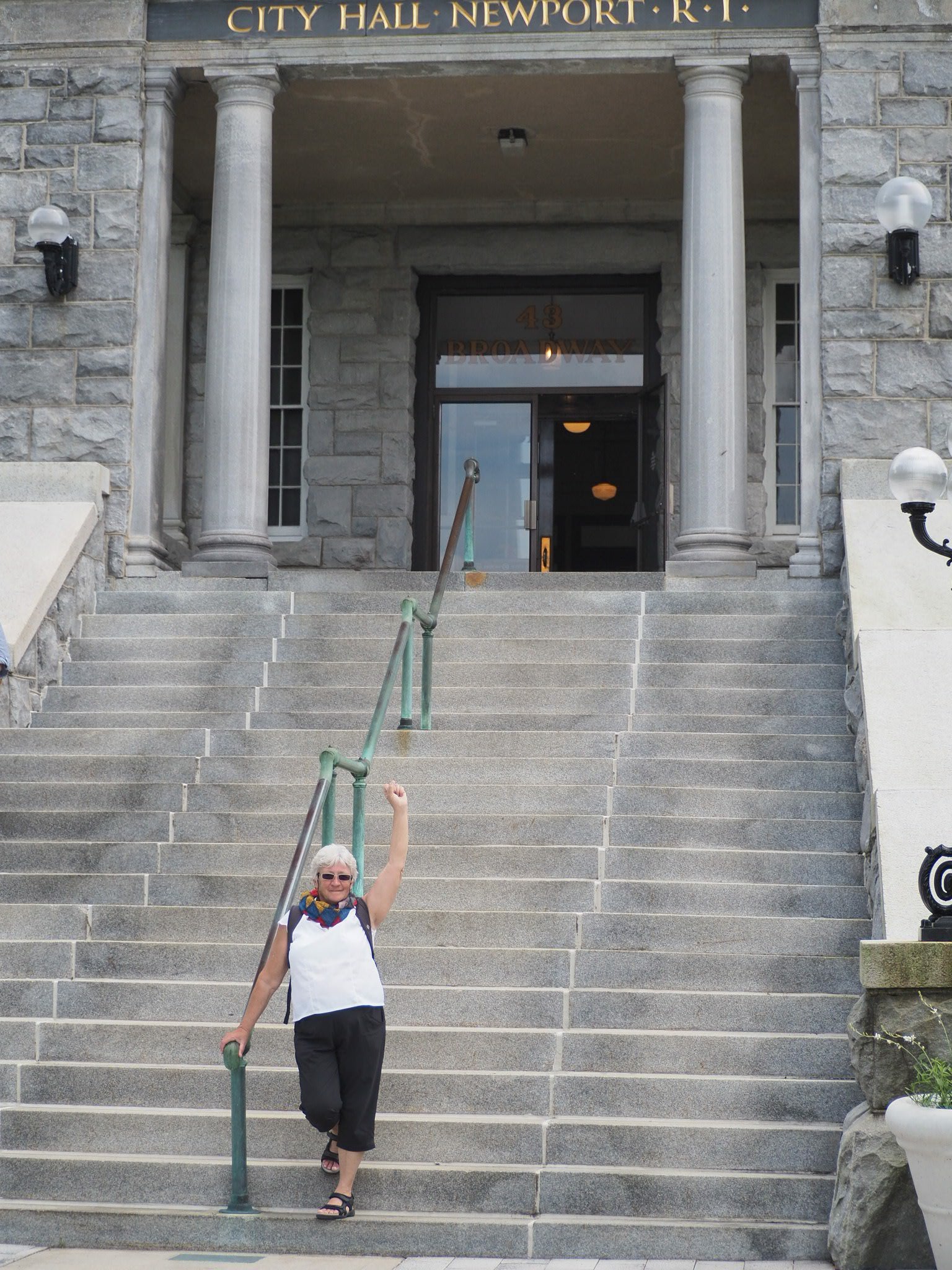
Politics is never far away. Here Connie is celebrating the fact that her letters regarding a lack of hot water at the municipal mariners centre met with success. After 10 days we were finally paying our US$1.75/7 minutes and actually getting steady hot water. Thank you Newport Municipal Hall
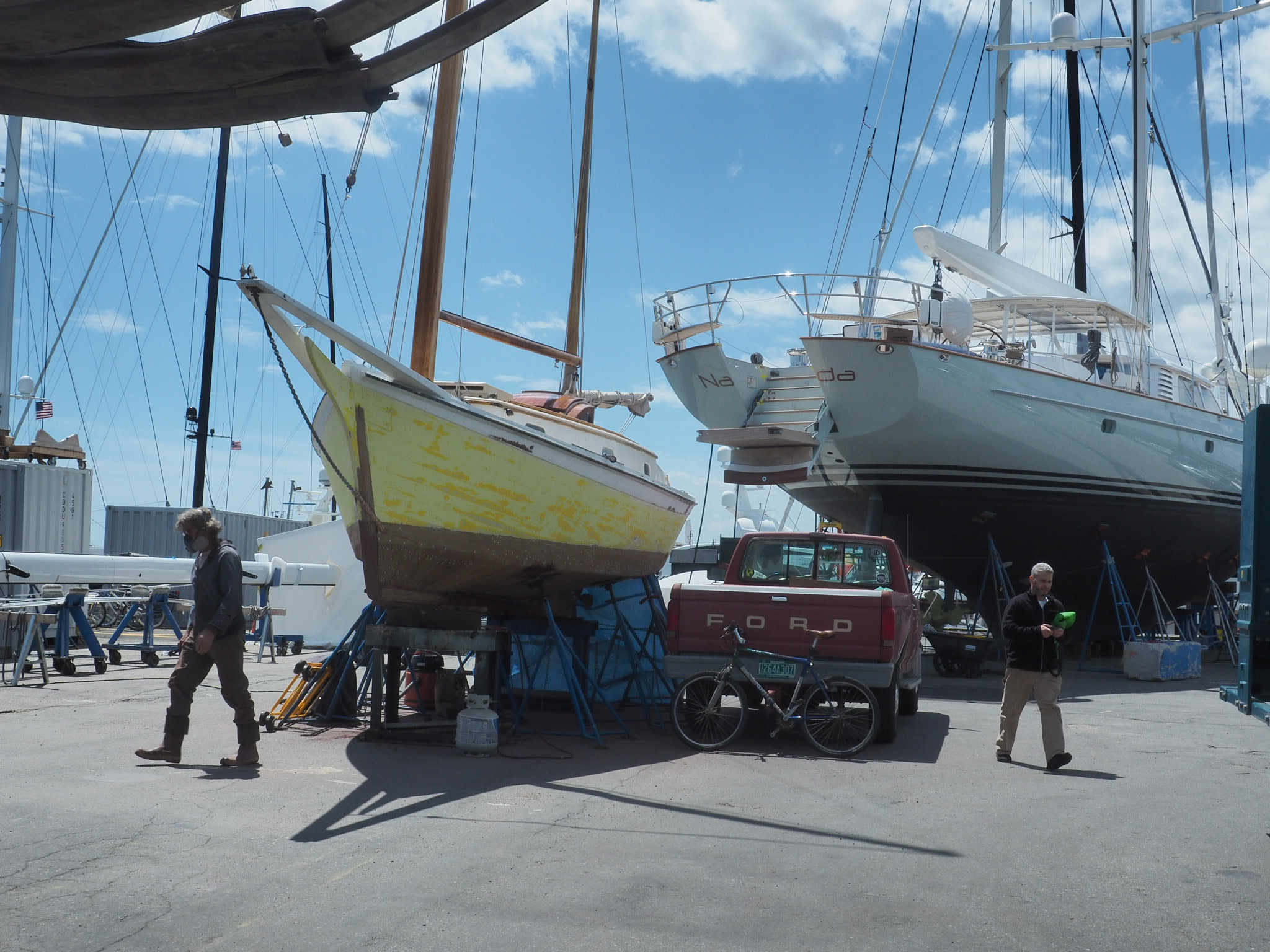
Of course I have to end the post with a picture of boats. This was amazing as every boat in this Newport boatyard, except this yellow one, was worth at leat $5 million dollars. But this guy was almost oblivious to the contrast as he was happily sanding away on the hull.
Newport and The Sirens of Titan
You know, Kurt Vonnegut lived and wrote the Sirens of Titan here but the strongest sirens I heard and felt were those of old Nathaniel Herreshof. For non sailors this will not set off any sirens but for anyone worth their sea salt the name sends shivers down ones spine.
Nathaniel Herreshoff was of Prussian ancestry and the family gained notoriety through their innovative steam engines; but, Nathaniel was besotted by sailboat design. Through the early 1900s he designed and built a series of Americas Cup winners as well as building a line of sailboats which still grace the waters of Narrangansett Bay.
The actual Herreshoff boatyard is/was in Bristol just a few miles up the Bay. What remains today is the Herreshoff Museum which is located on the same property where the Herrshoffs built their boats..
A small sign denotes the mainn building
Inside are some of the most incredible boats built by Herreshoff but not any of the Americas Cup Winners of which Reliance – Reliance – was the largest gaff rigged vessel ever built.
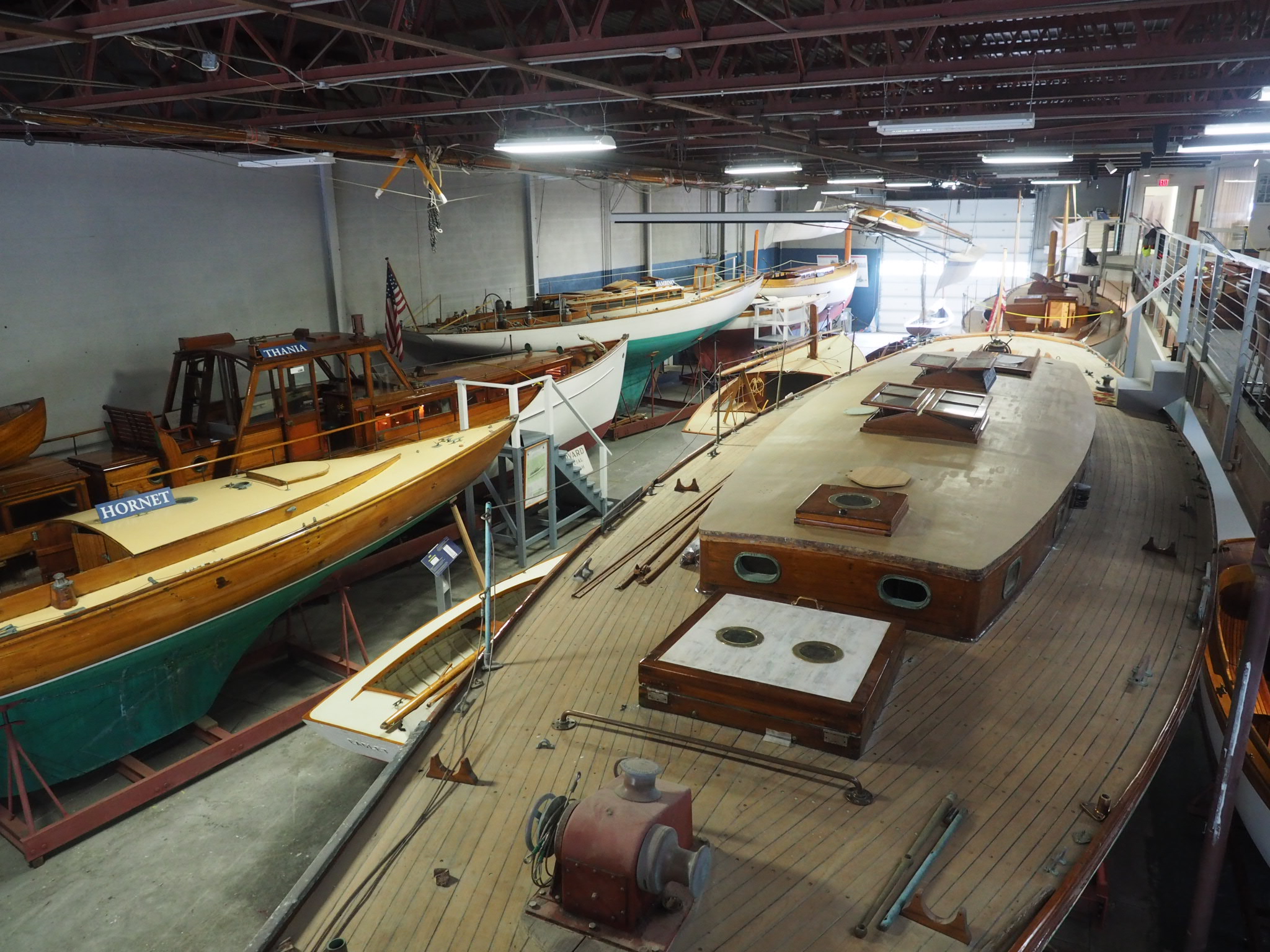
Overlooking the floor where a number of original Herreshoff boats are on display
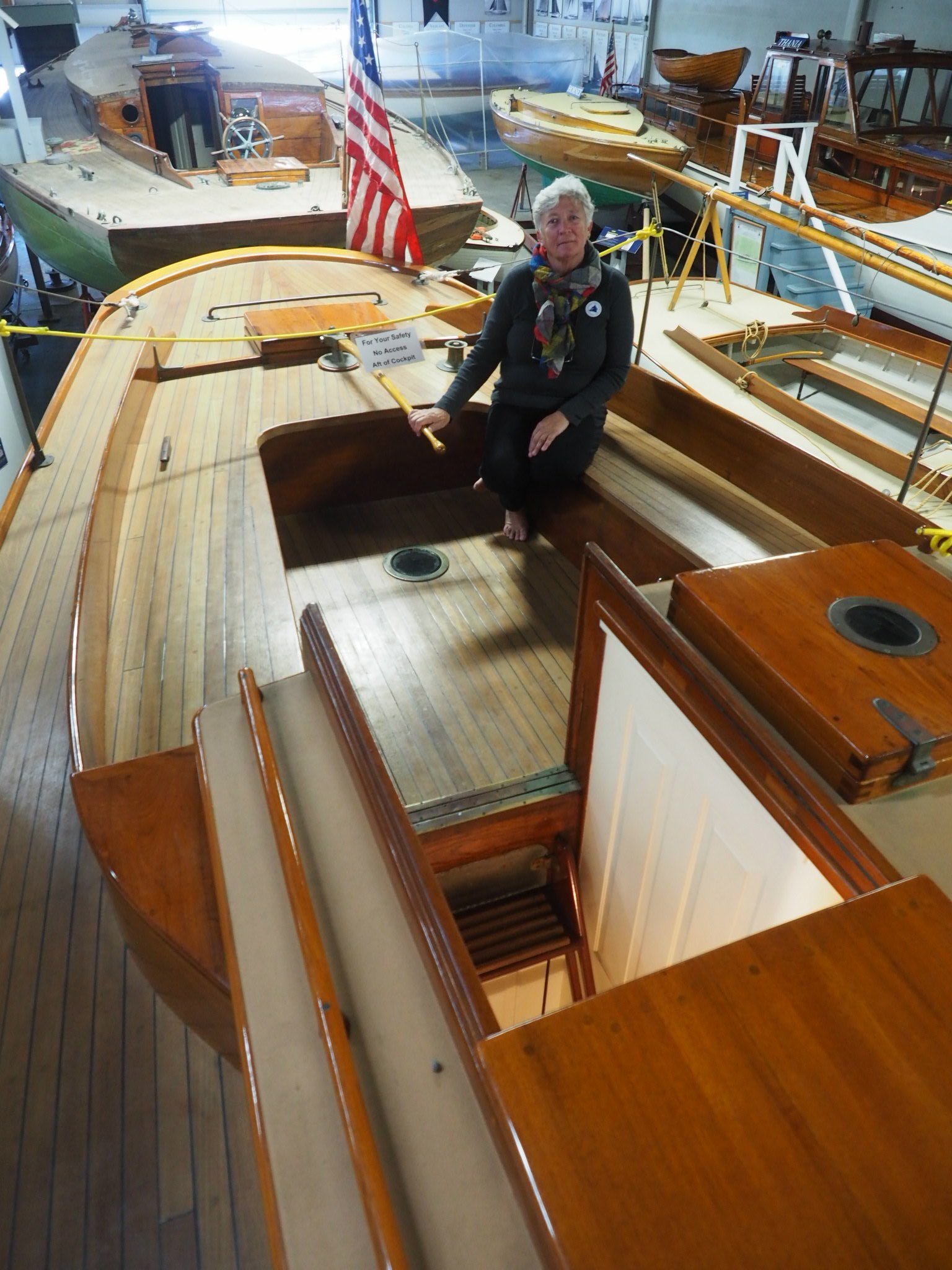
Connie’s favourite – Torch
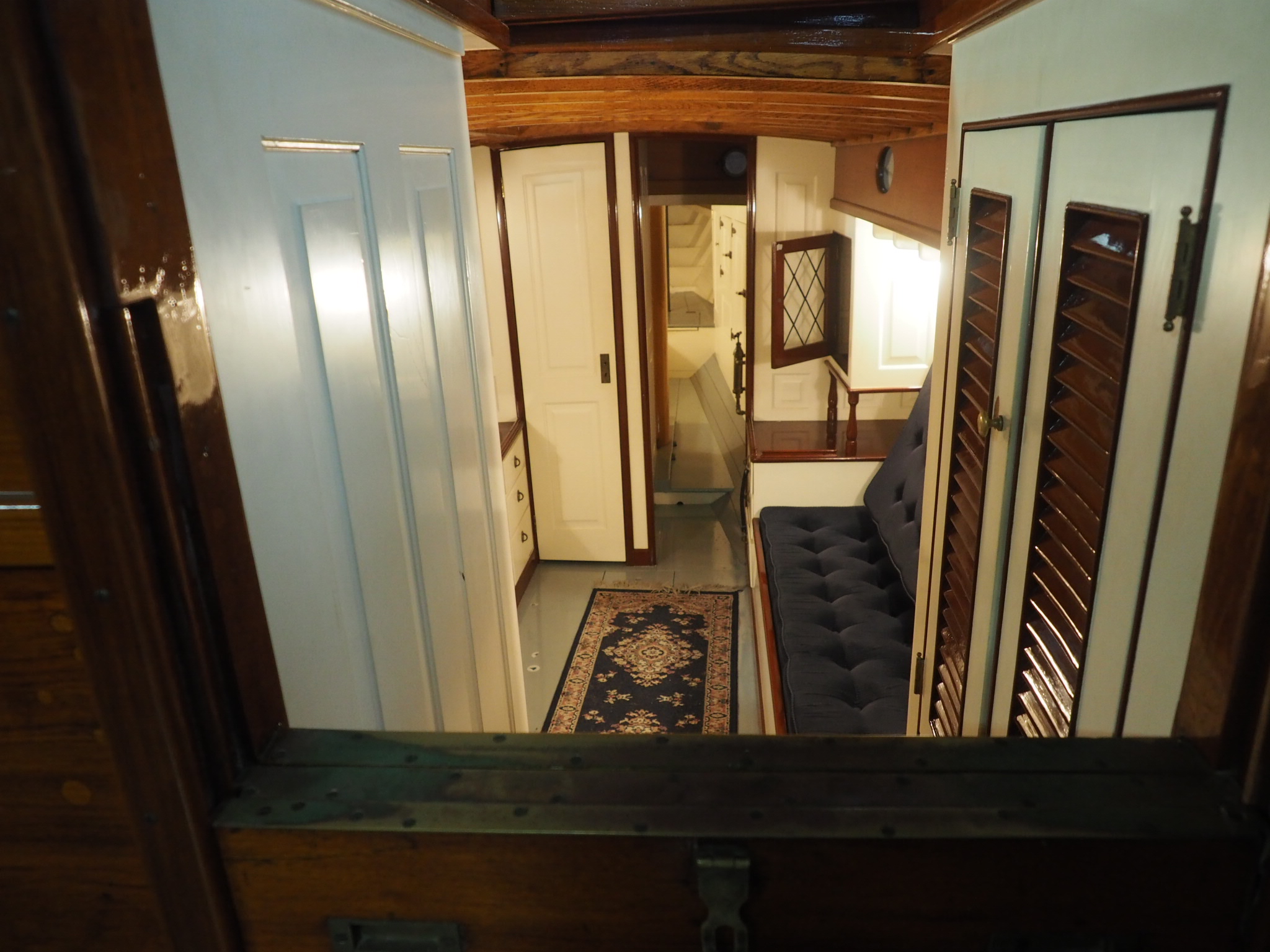
Beautifully restored Torch
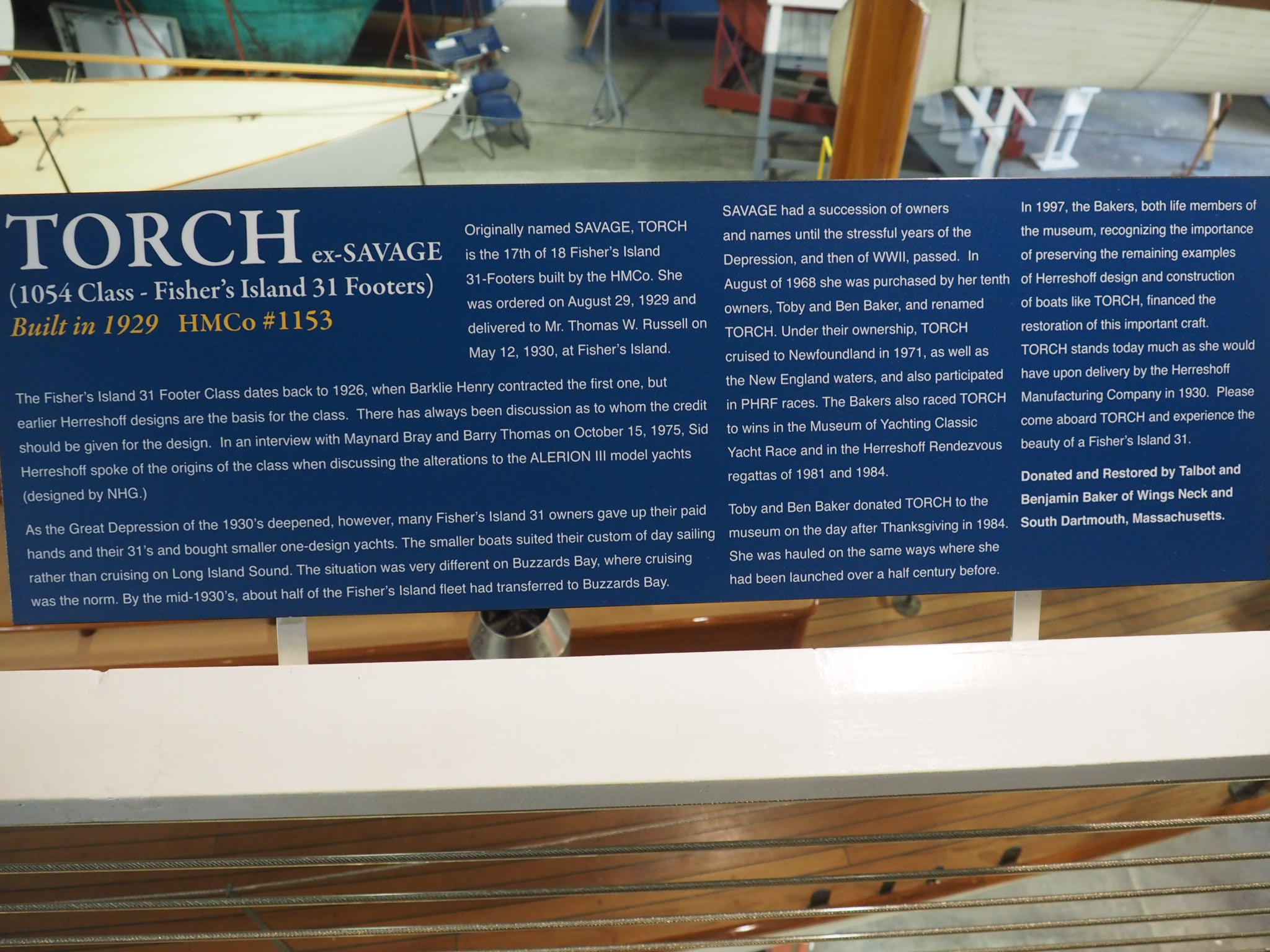
For those of you interested here is Torch’s history
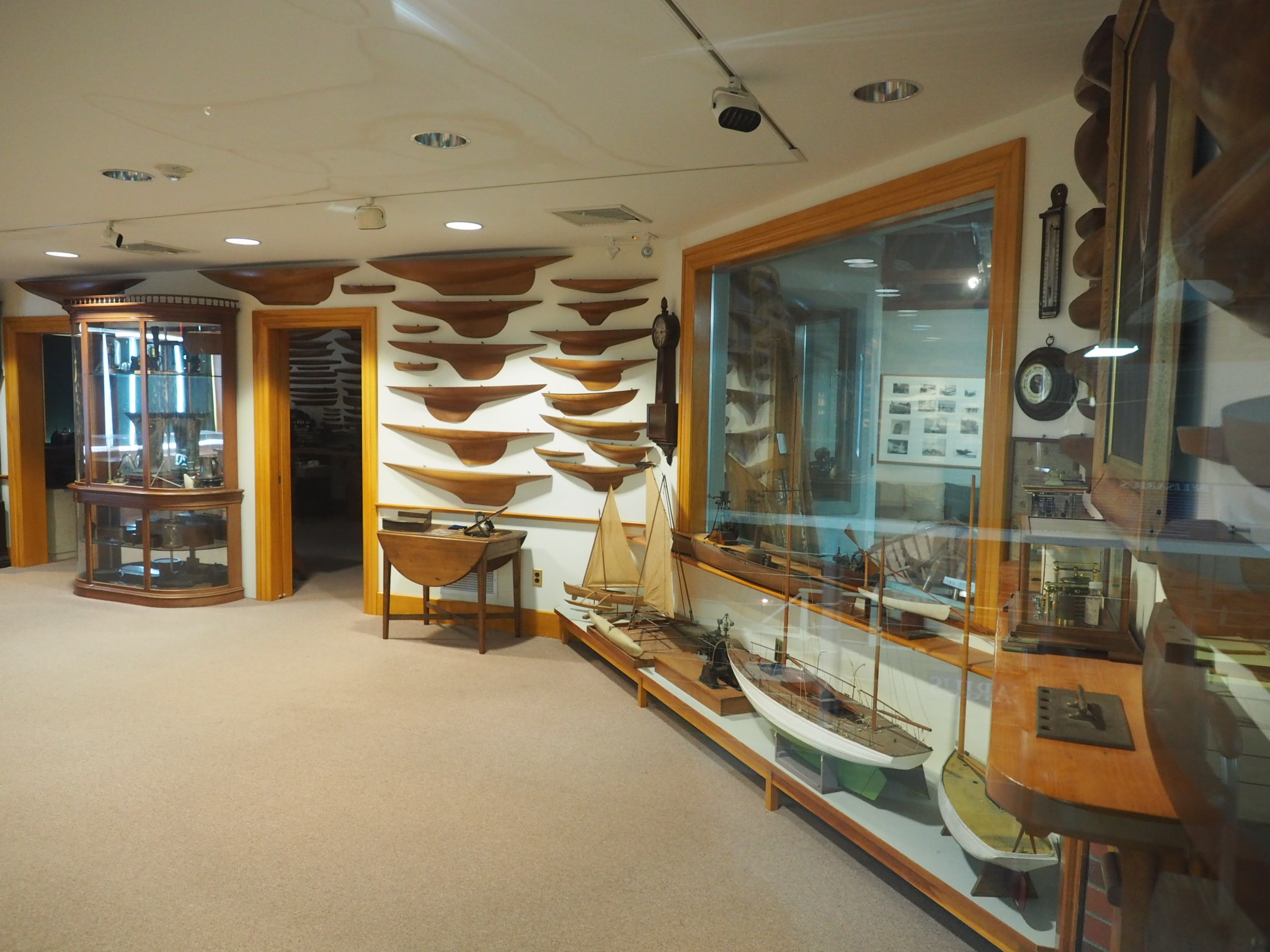
And rooms full of half models
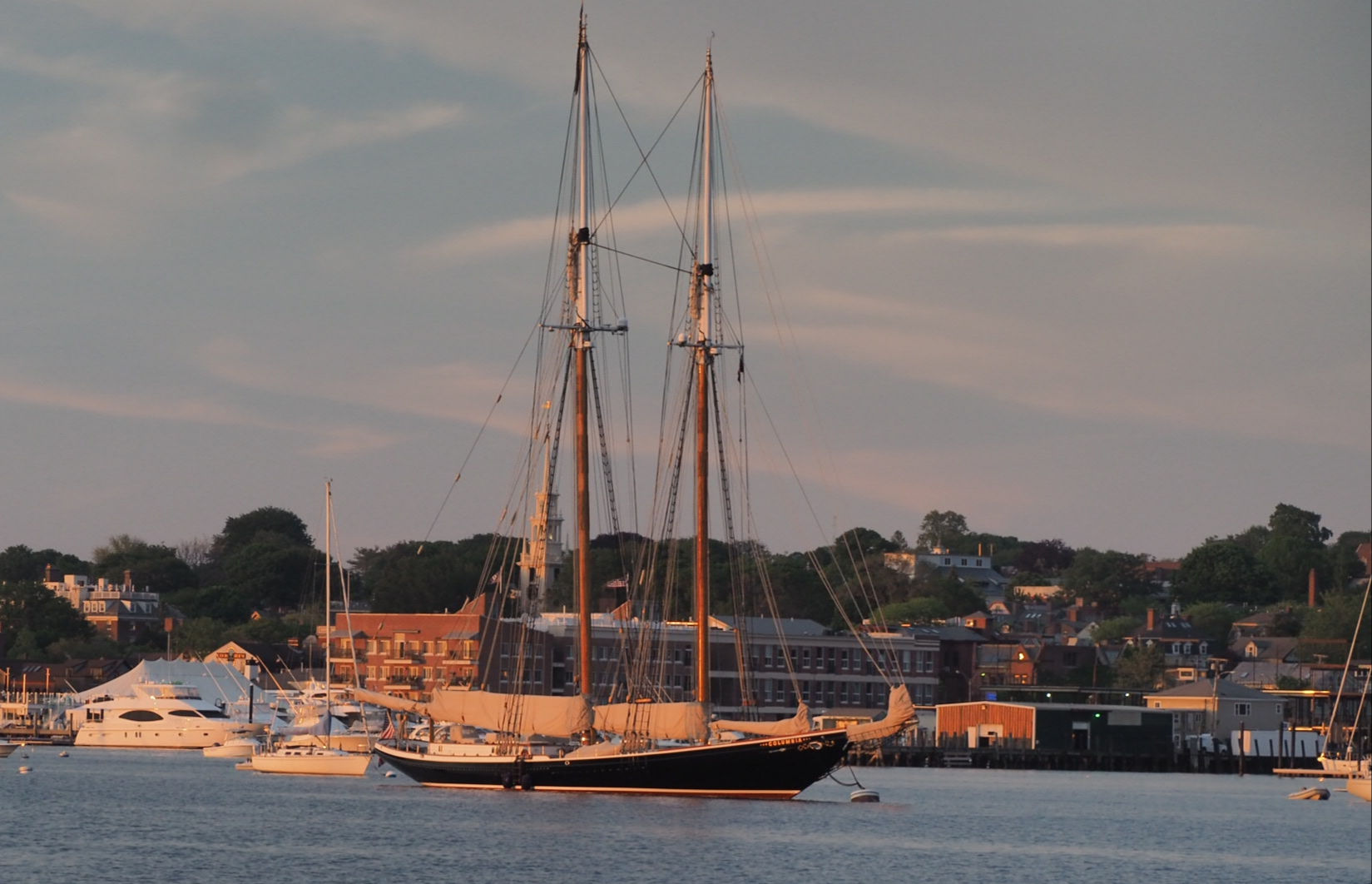
Although not a Herreshoff original this gaff rigger, Columbia, is a near replica to an Americas Cup winner at the turn of the 19th Century
Of course, Newport has money. Here are a few pics of some of the boats we saw.
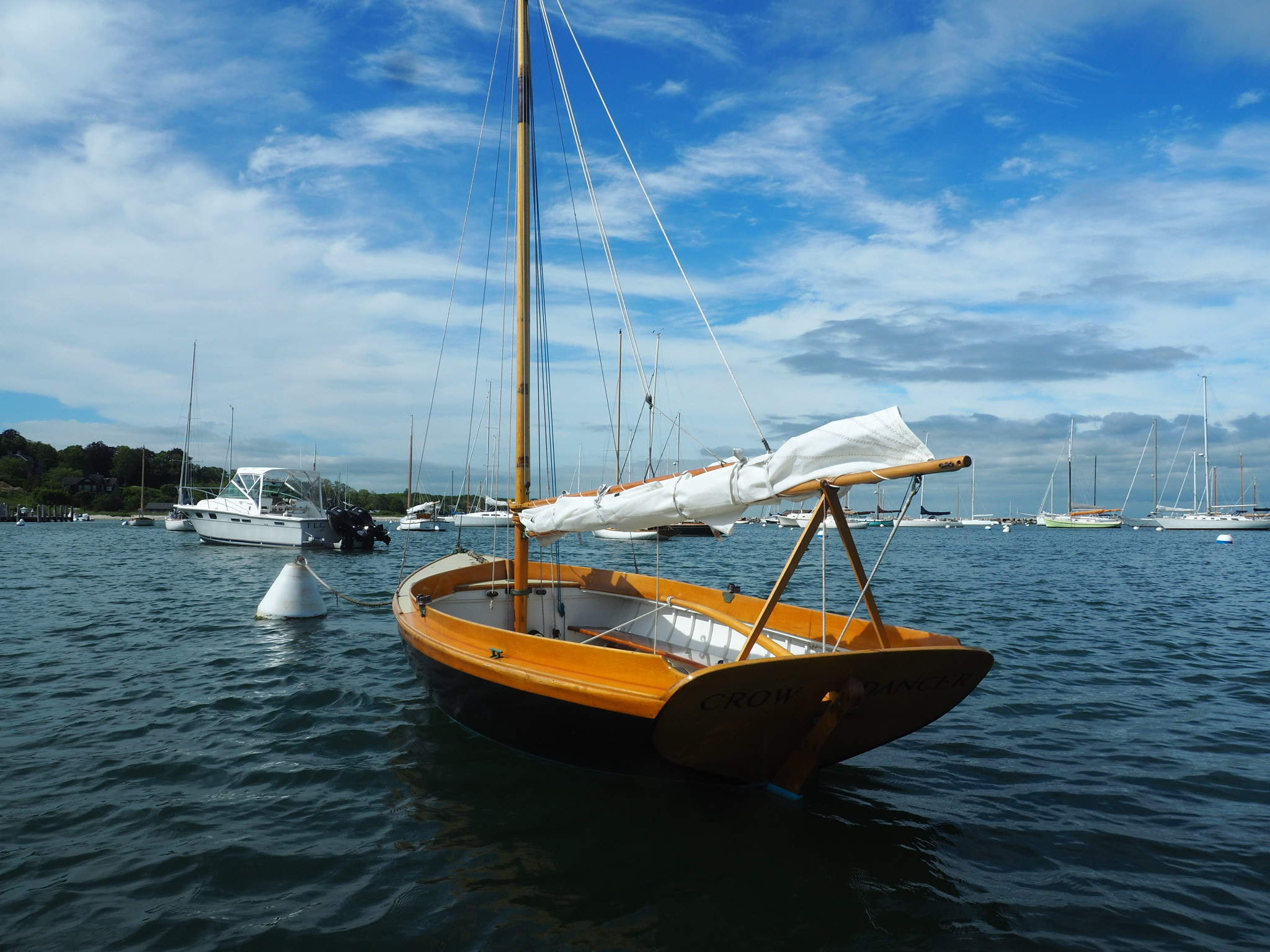
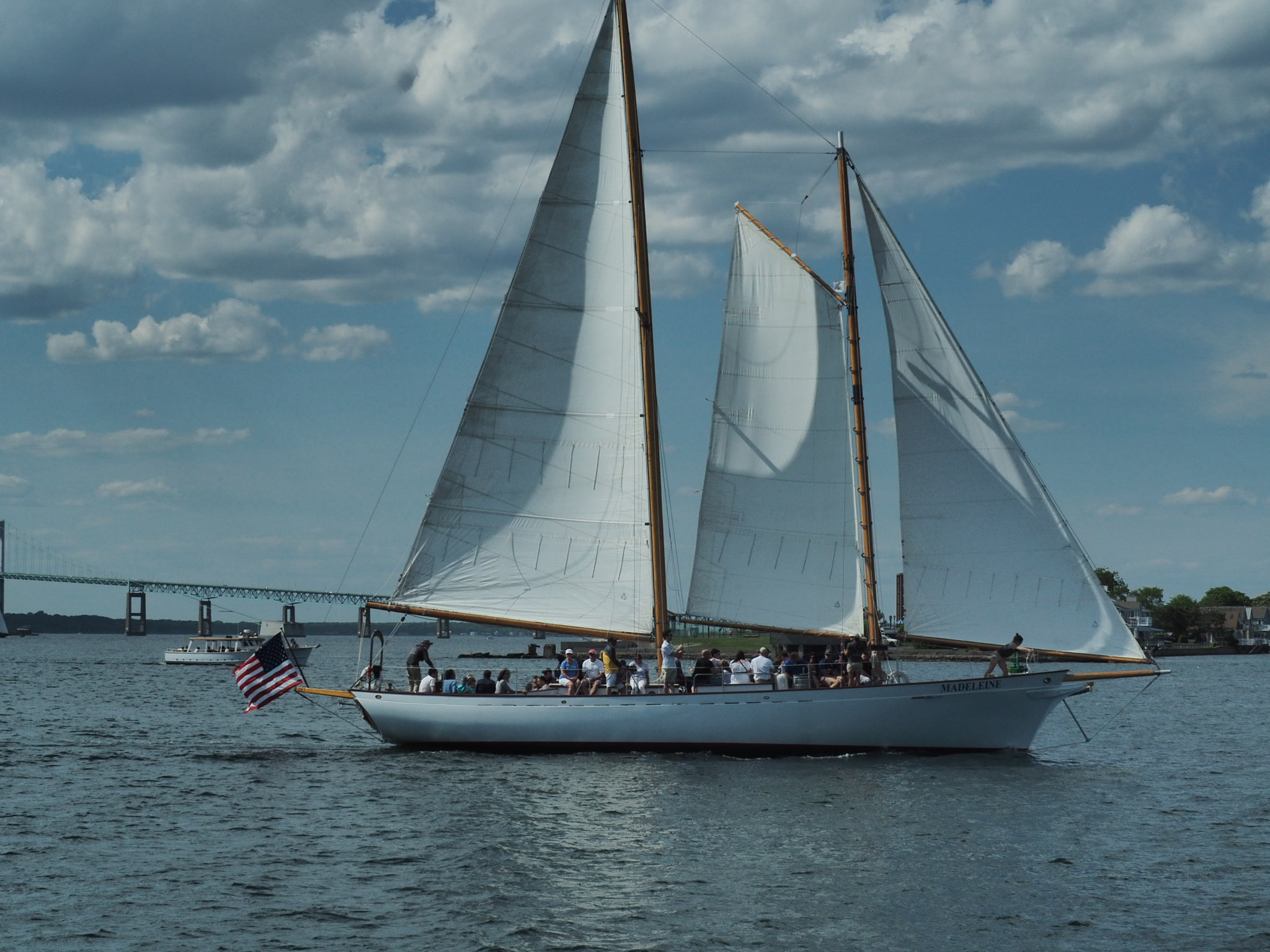
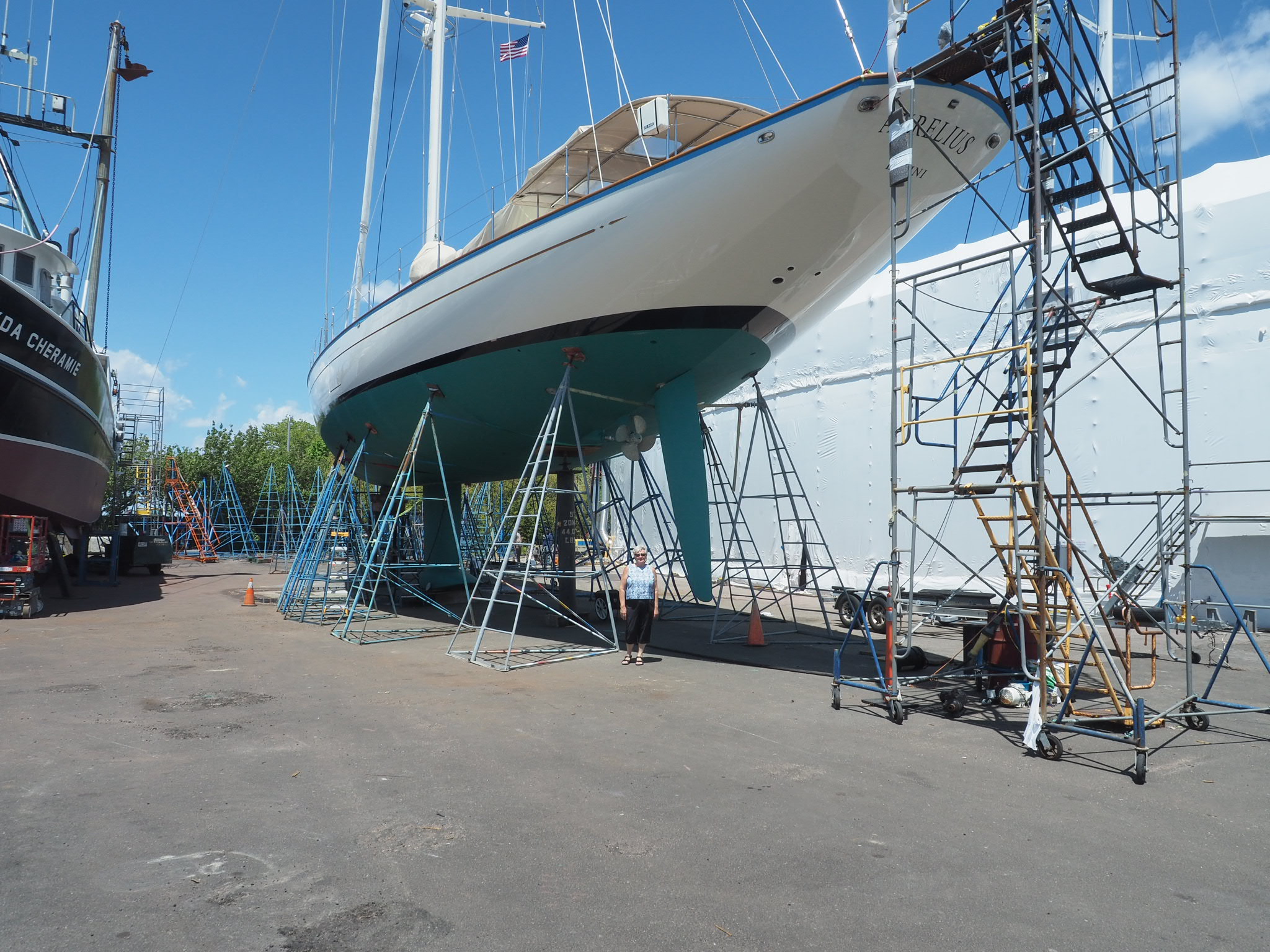
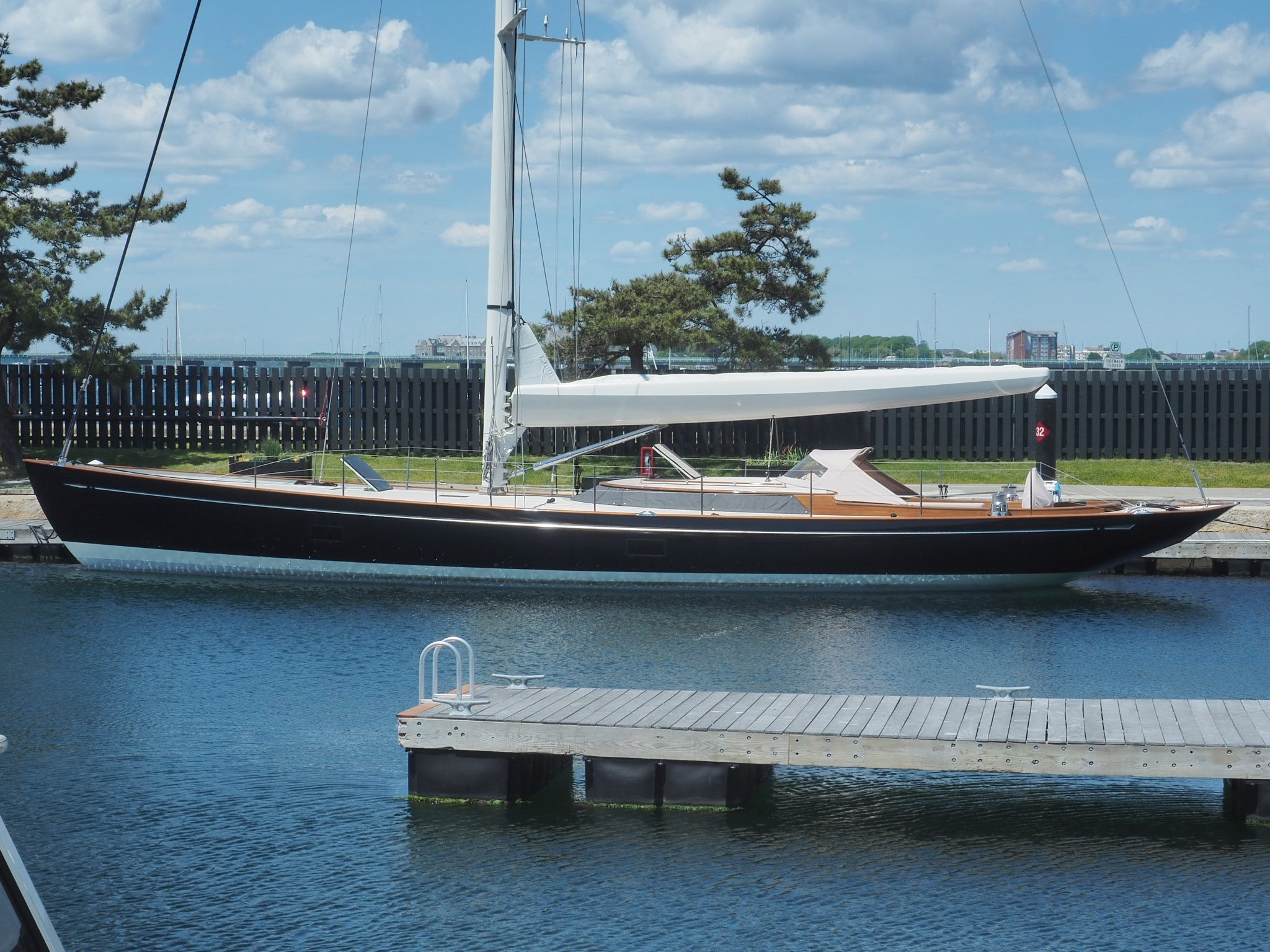
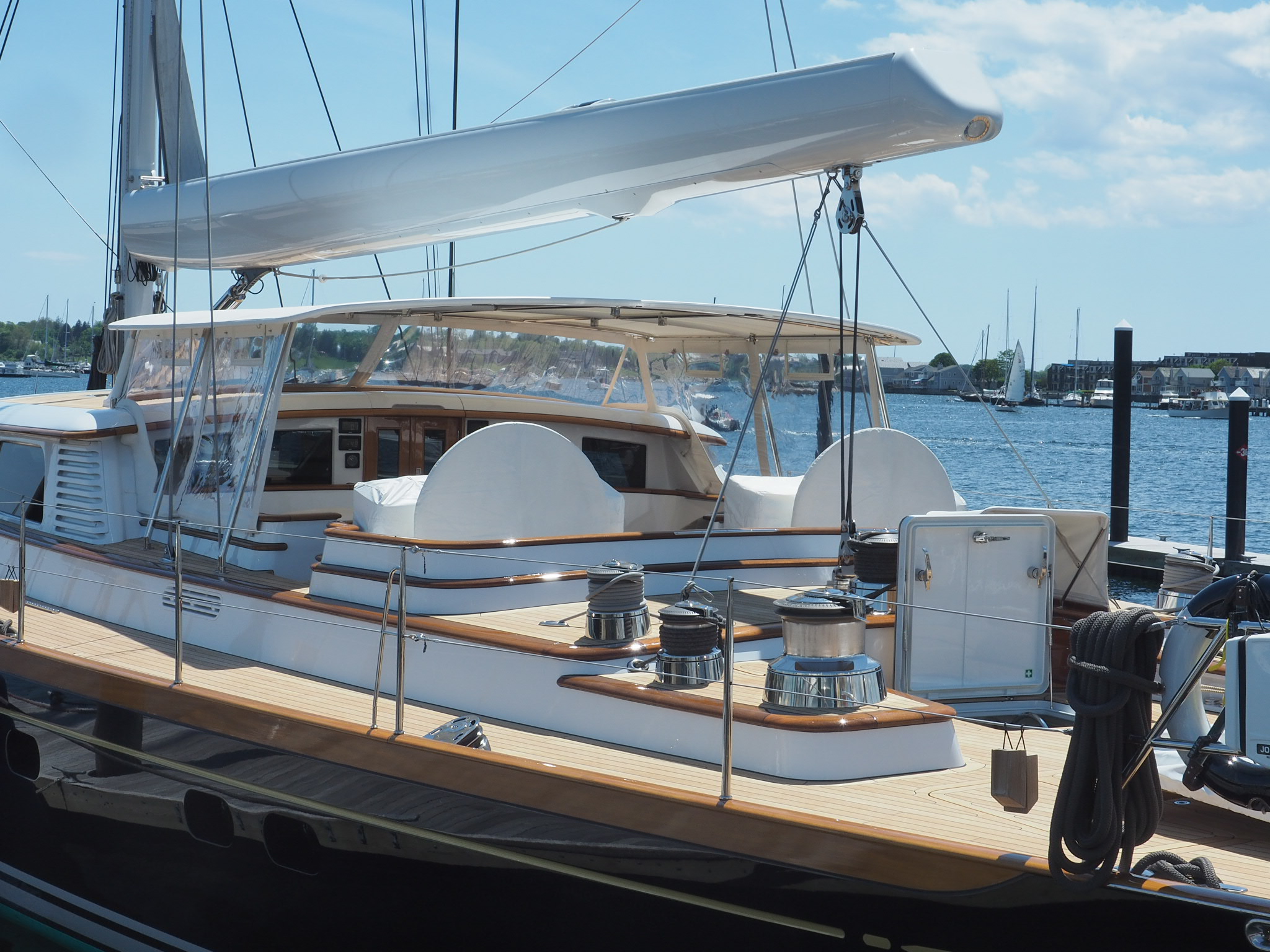
Of course there are no power boats. I wonder why!
 Sage on sail