Independence Day
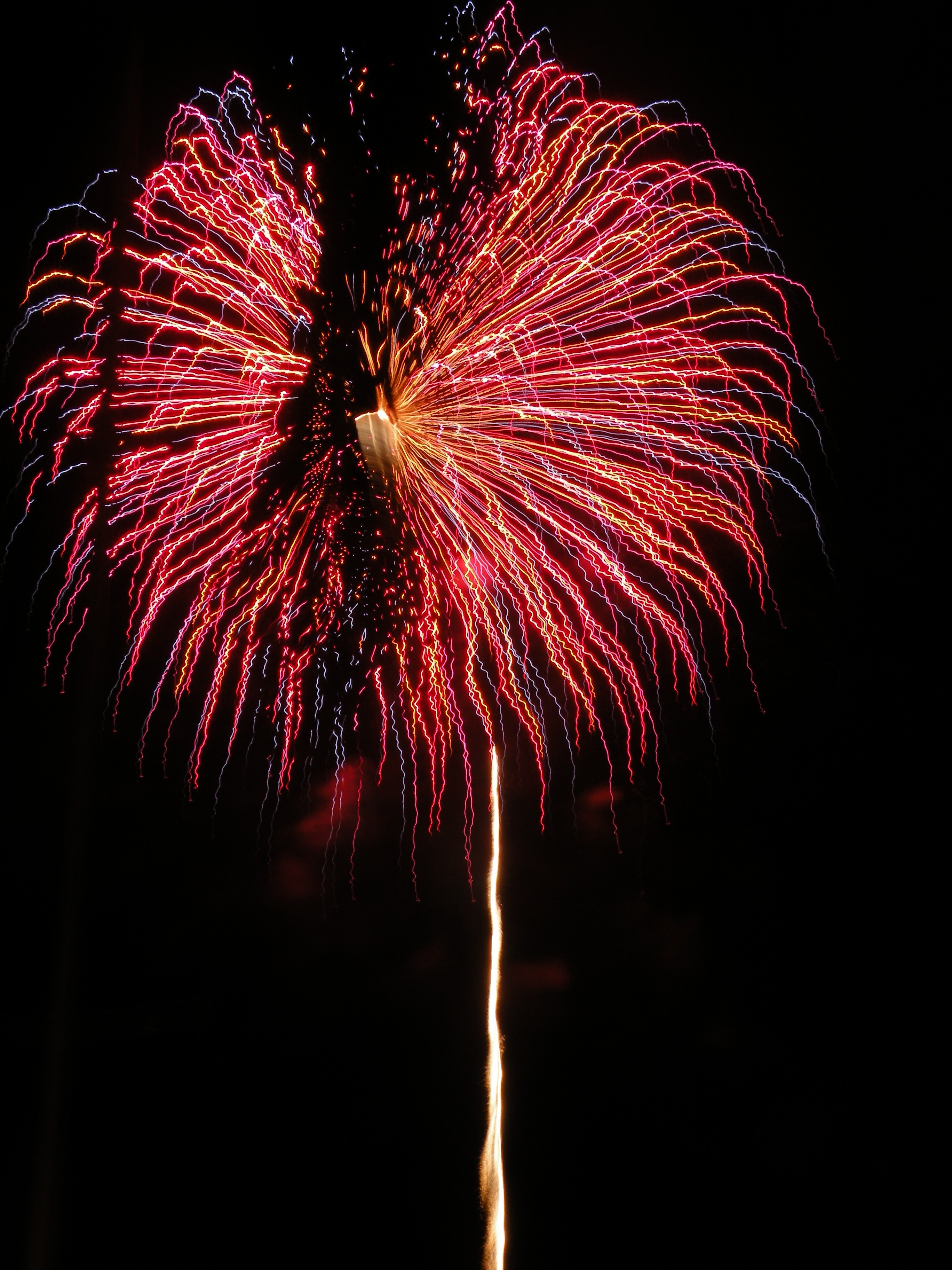
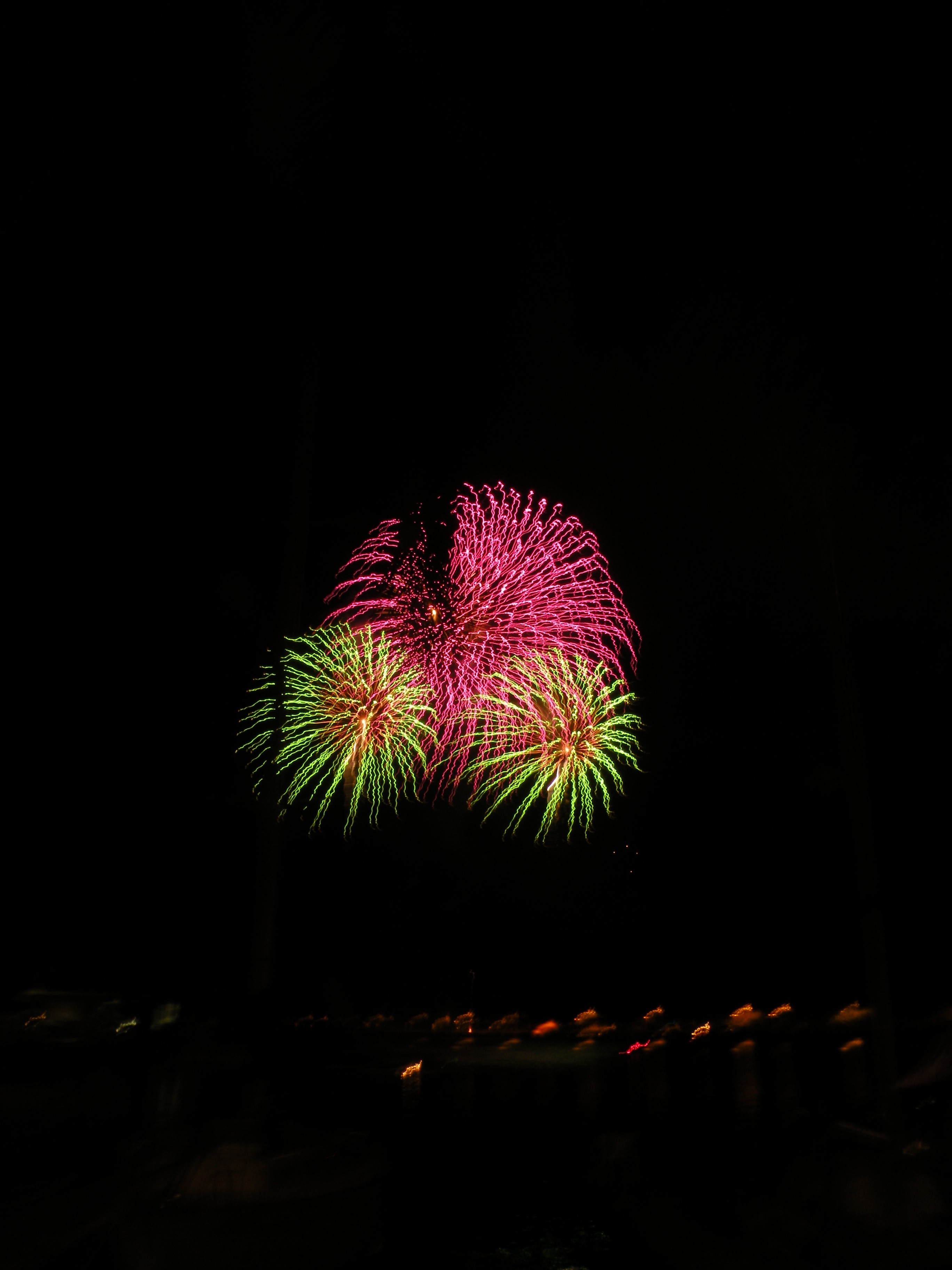
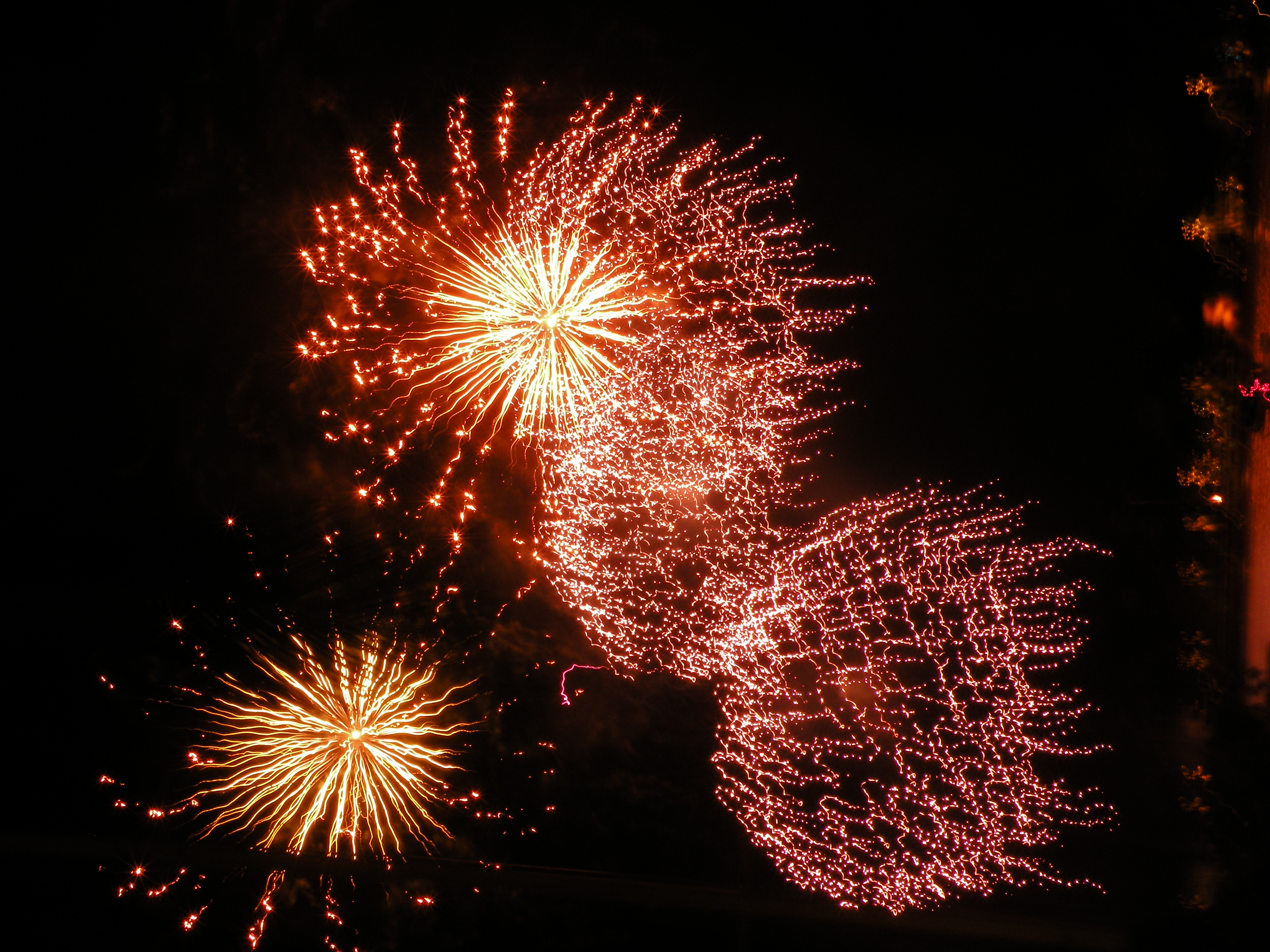
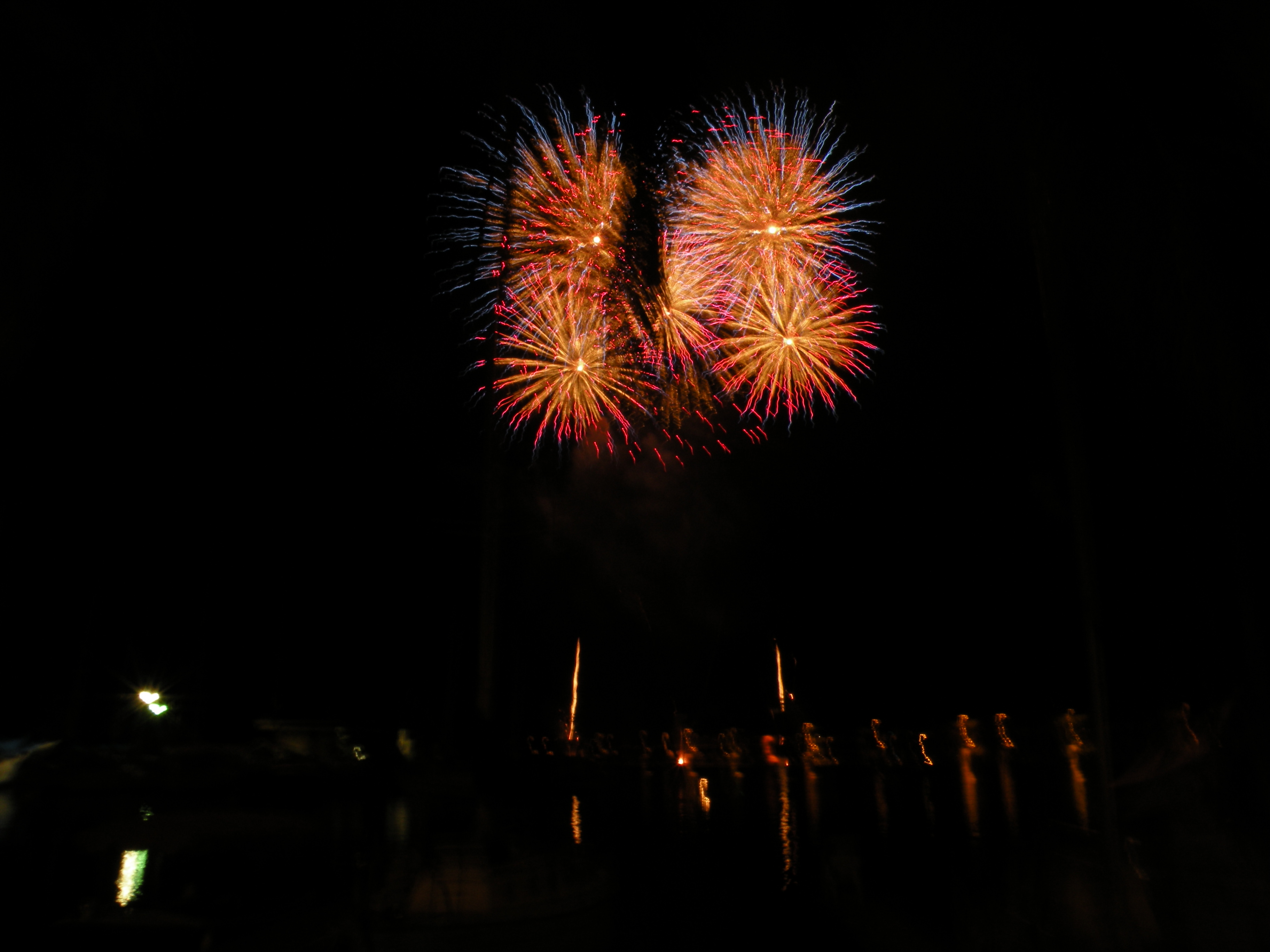
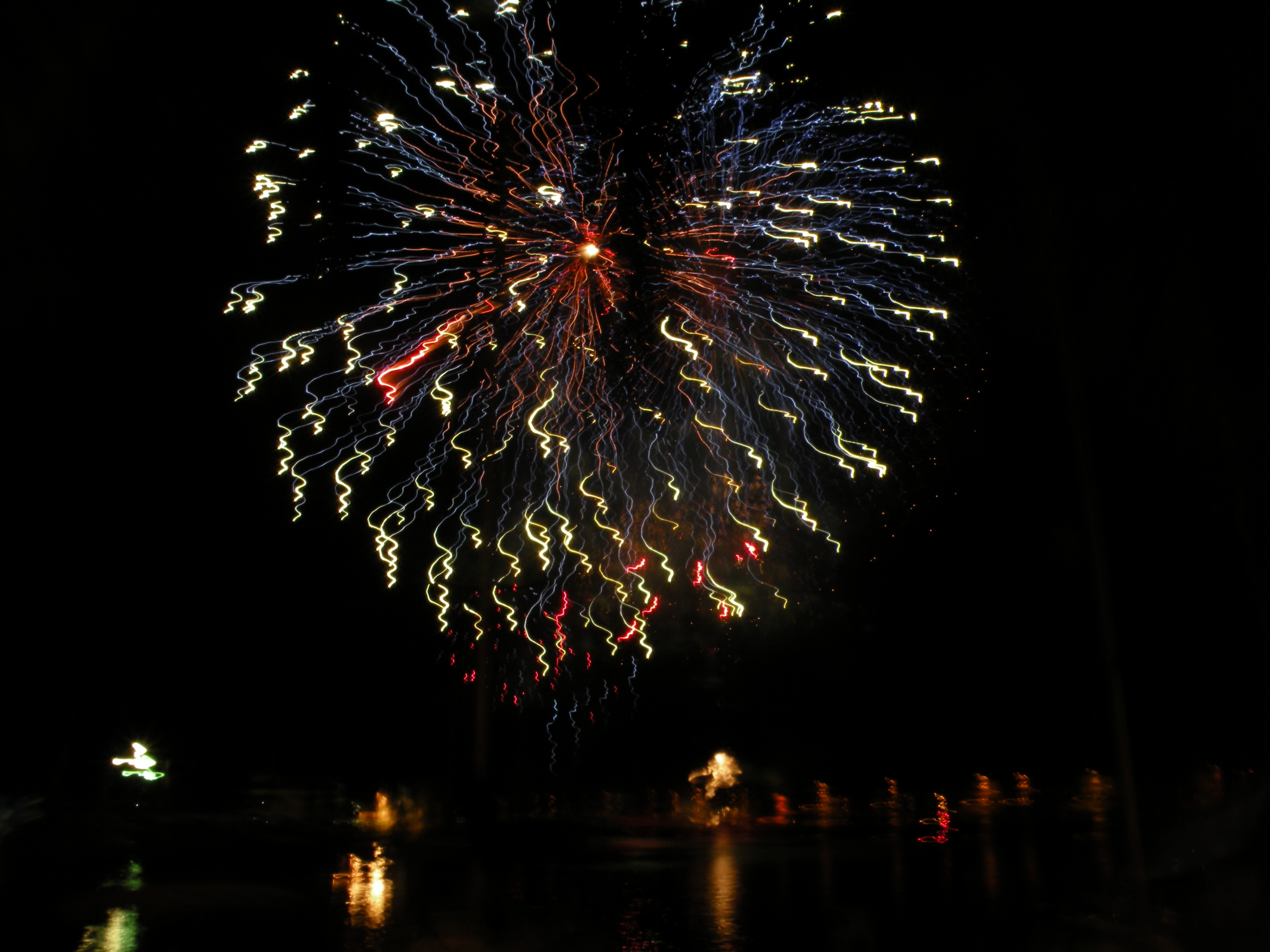
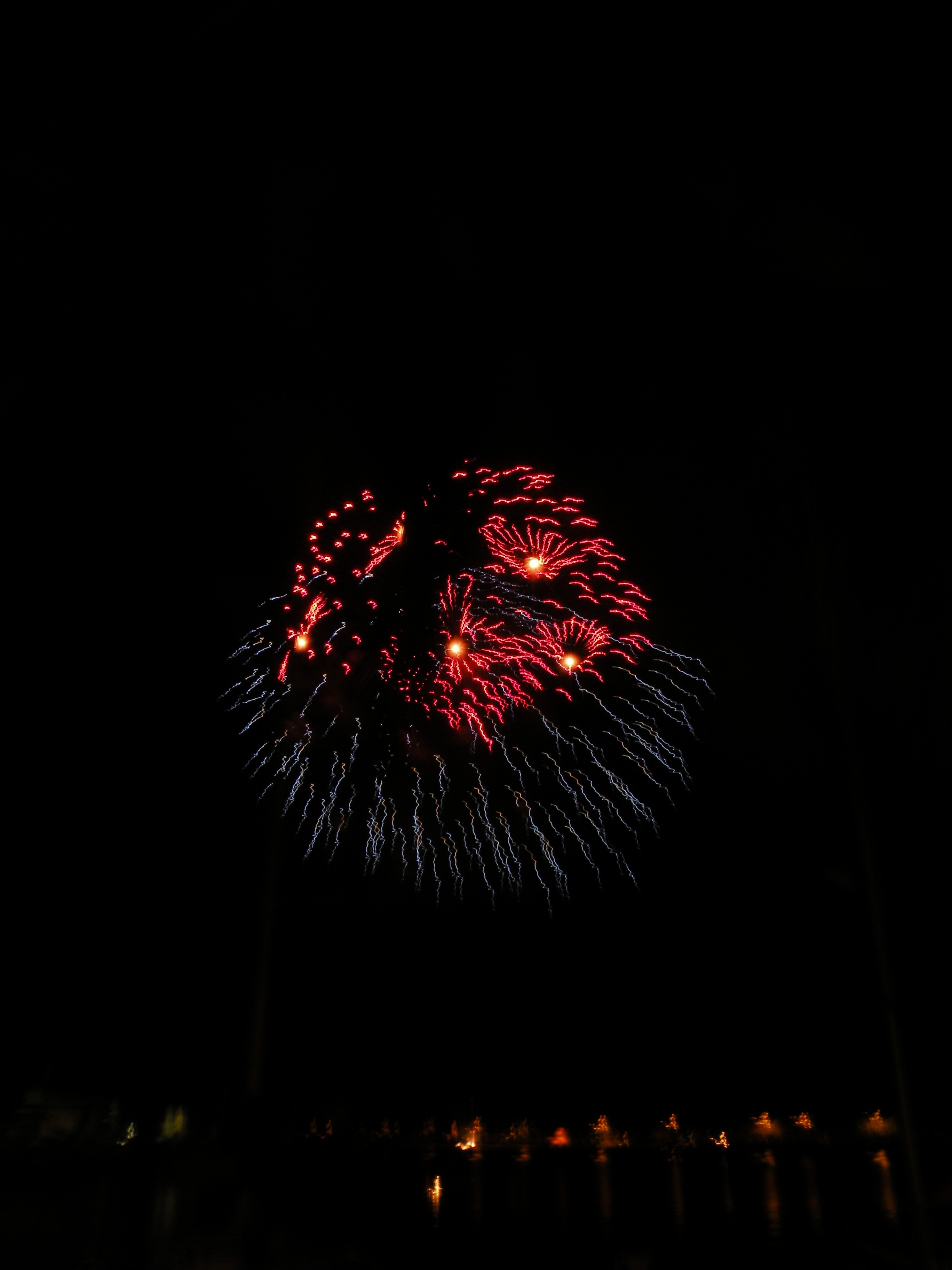
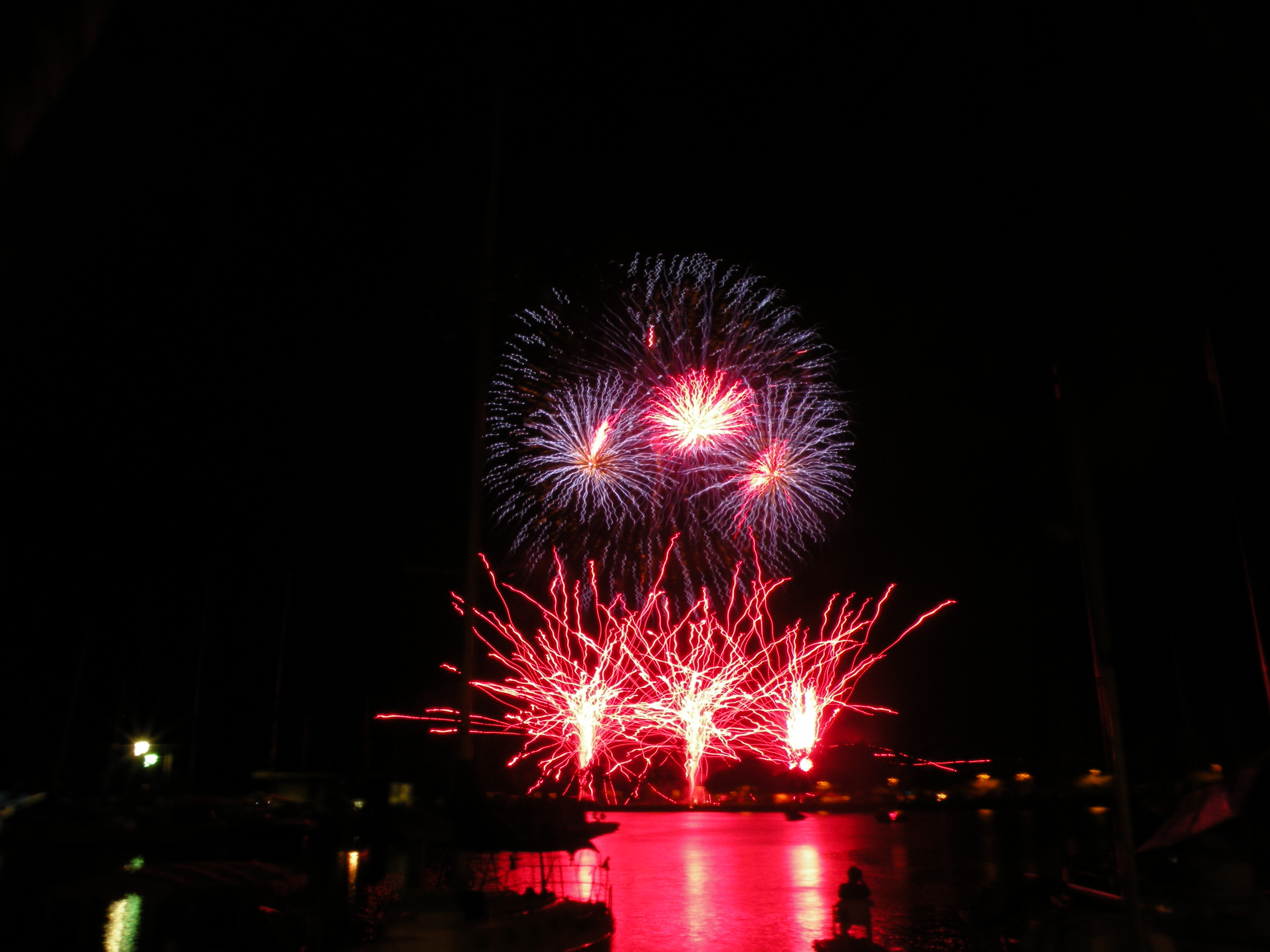
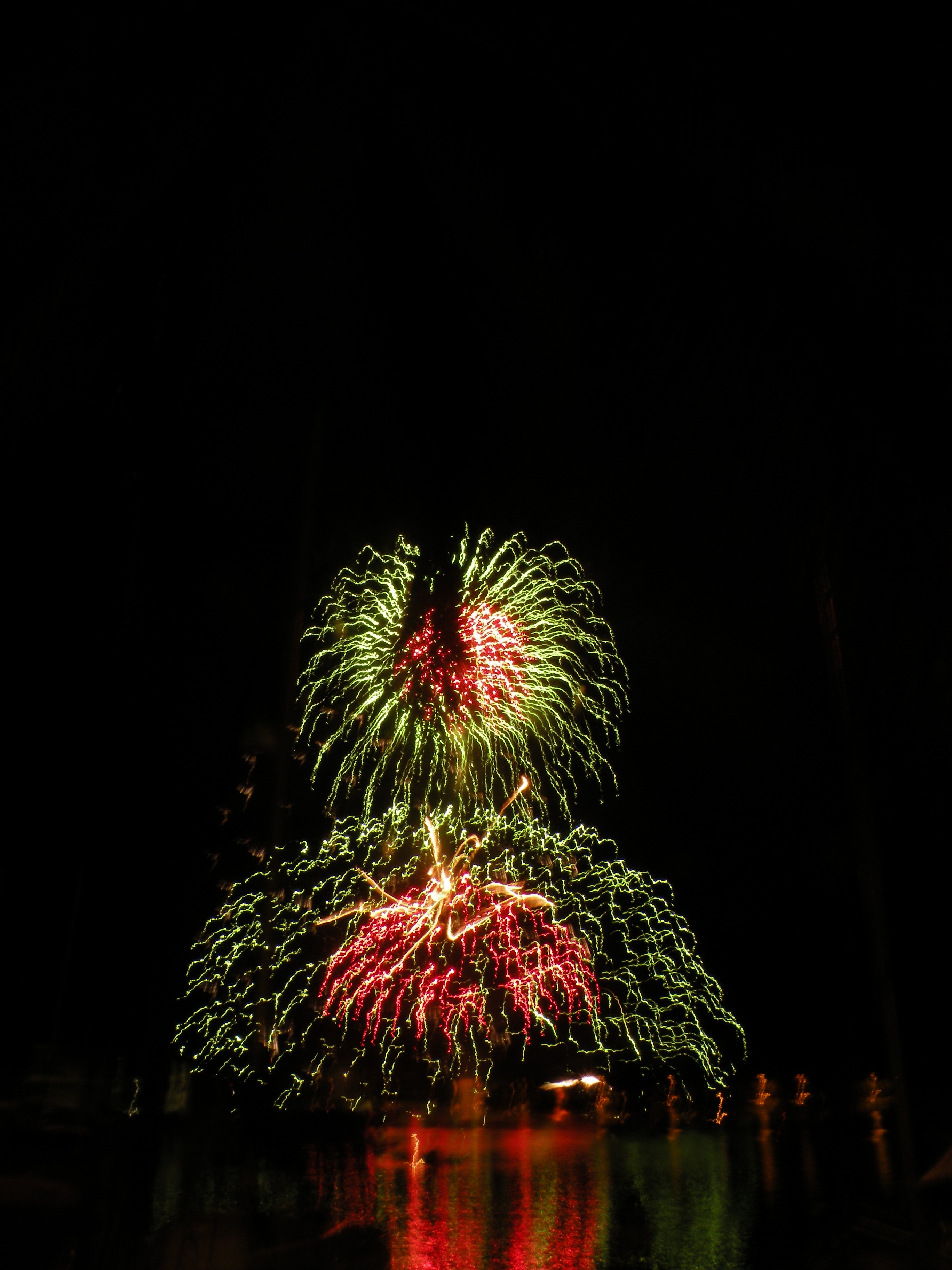
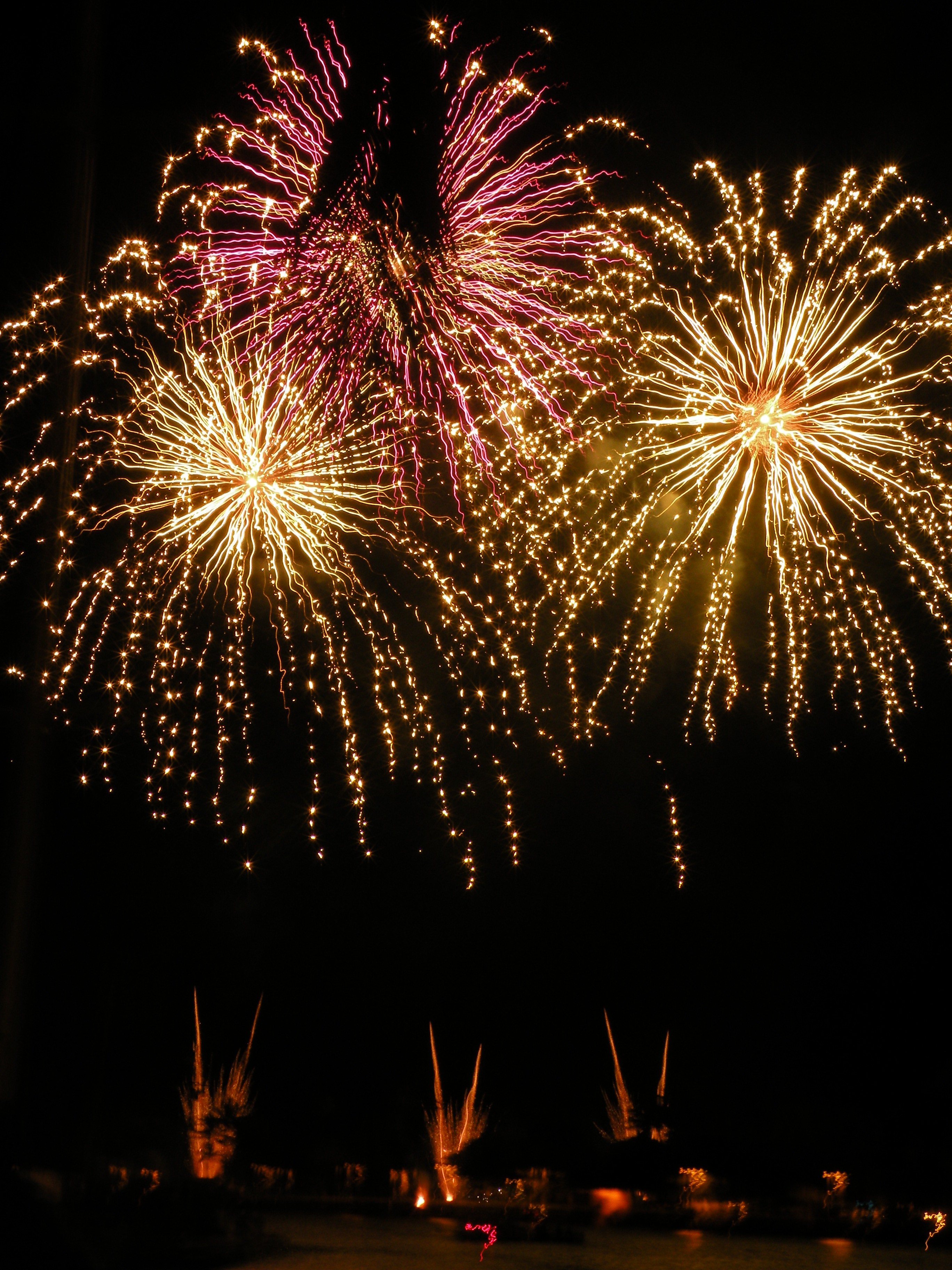
July 4, 2011 – it’s Independence Day in the U.S. All day the flags have been flying, boats departing the harbour, cars parked in every spot throughout Waikiki, restaurants with ocean views jacking their prices up for dinner specials. And why? Well, just like every other country’s independence day the U.S. celebrates with massive fireworks displays. Tonight is no different as Ala Moana park has been filling up with campers since yesterday in preparation for viewing the fireworks that start at 2000hrs.
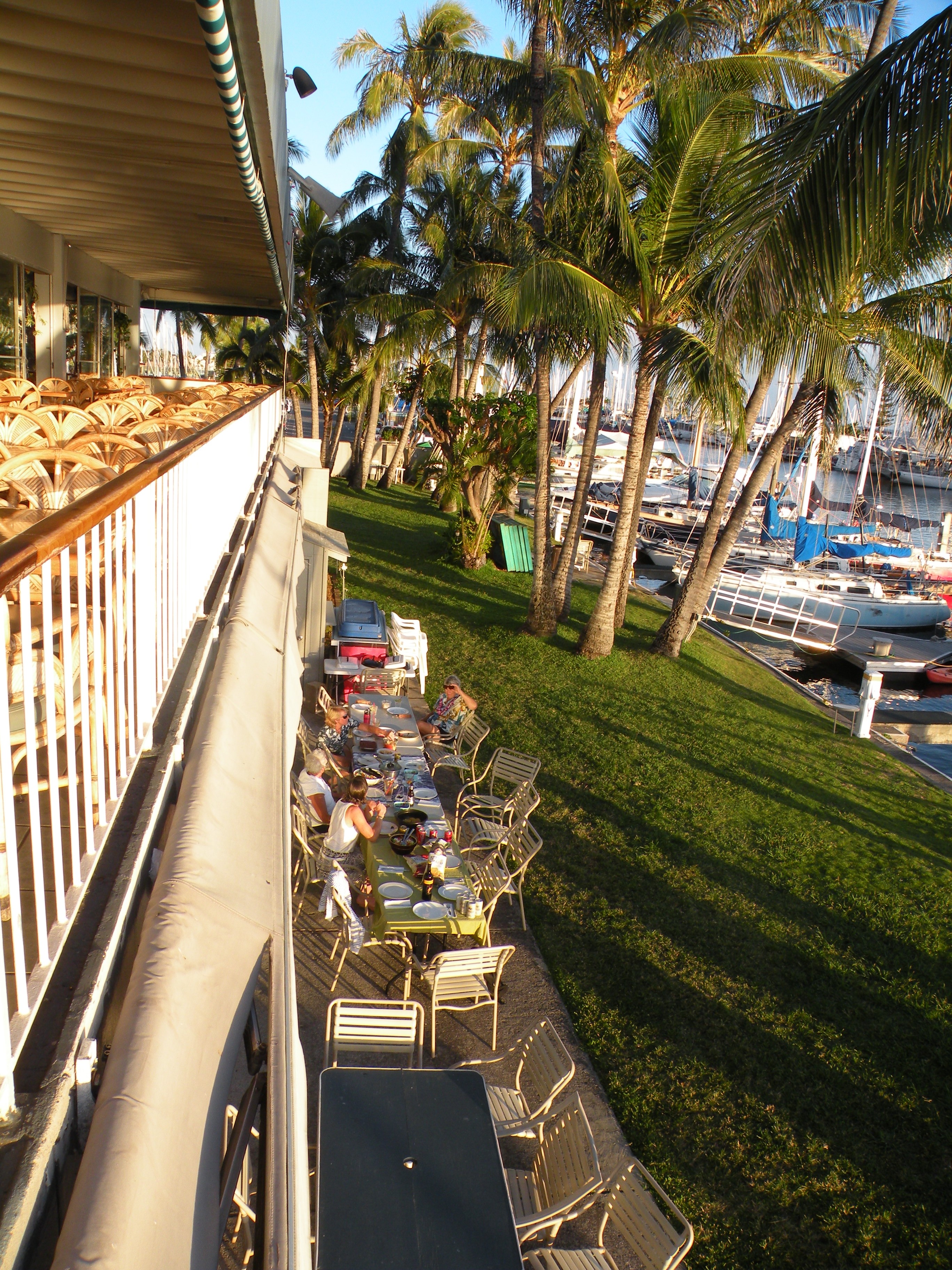
So, what are we doing? Heading up to the Hawaii Yacht Club for a BBQ pot luck and it just happens to be one of the best seats in town for viewing the fireworks. So, here are a few pictures of the end result. First time I’ve taken pictures of fireworks so mixed results:


Honolulu Academy of Arts
What an amazing place. Of course I can’t show you pictures of the art on display but there are a few shots I can post of the building.
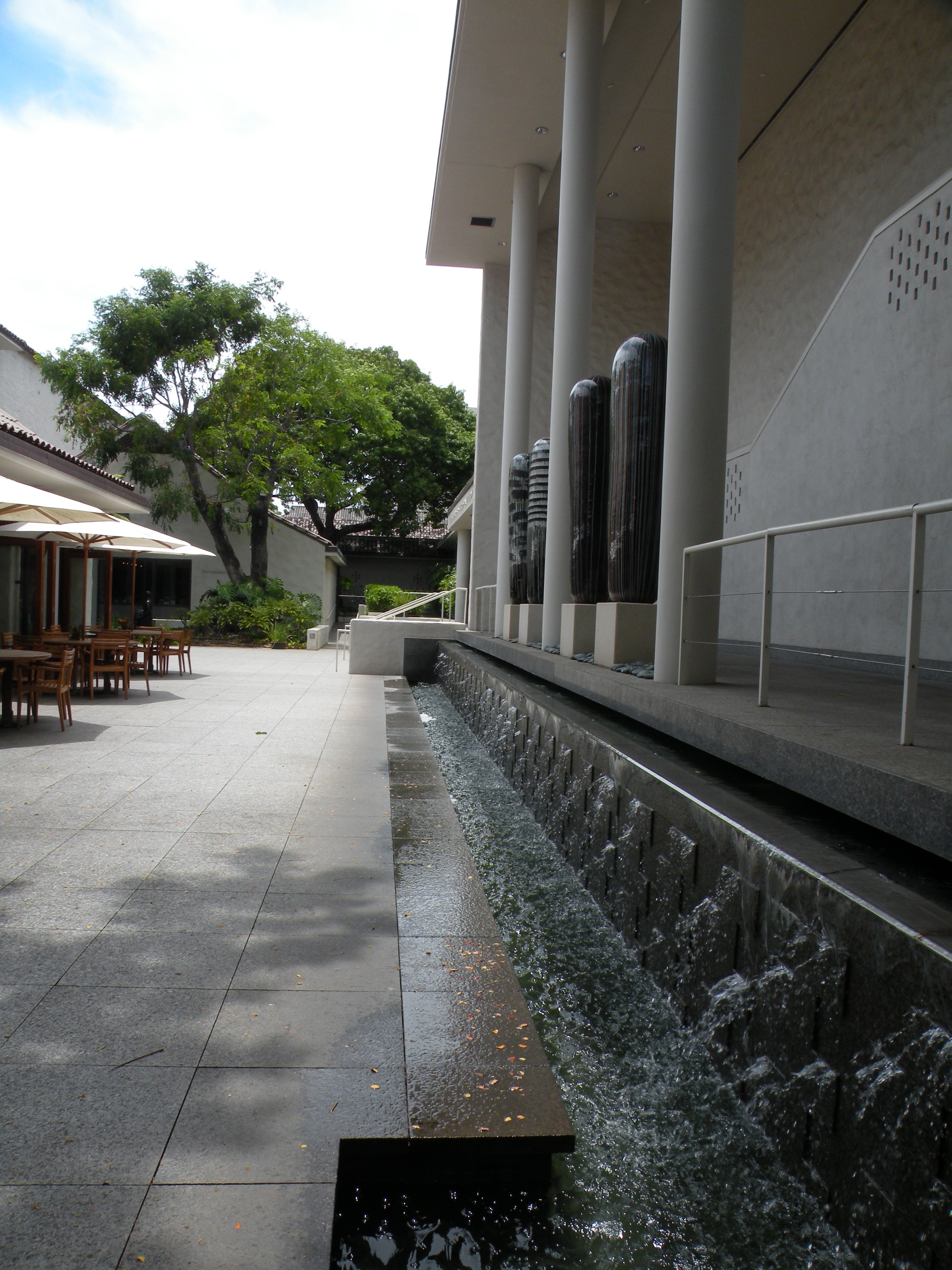
The Pavilion Cafe – Academy of Arts
The Honolulu Academy of Arts is located close to the downtown business district of Honolulu but is an oasis of calm. The layout is such that there are 6 courtyards and each built on a different theme. They range from the Chinese Courtyard to the Mediterranean courtyard. Each of the courtyards is located close to the part of the building that houses art from the respective area. Hence Asian art from China and Japan close to the Chinese Courtyard etc.

The Chinese Courtyard
Every continent in the world is represented and the collections, although not huge, are of exceptional quality. For example, in the Japanese section a stunning display of woodblock prints from artists such as Utigowa Hiroshige as well as a very minute collection of netsuke. For those of you who have read The Hare with the Amber Eyes it’s quite exciting to see some superb examples of netsuke.
In the section on 19th Century European painting and sculpture they have paintings from Gauguin, Delacroix, Monet, Van Gogh, Cezanne, Camille Pissarro and Henri-Edmond Cross to name but a few.

Mediterranean Courtyard – Academy of Arts
Other highlights of the academy include the Gallery of Modern and Contemporary Art with paintings from Bacon, Rauschenberg, Warhol, Braque and Tanguy.
So can’t say we can complain about nothing to see in Honolulu while we’re here.
We did pick up a brochure while at the gallery which has peaked our interest and to which we are getting excited about seeing. There’s the 4th annual Surf Film Festival from July 8 – 31, 2011. Am sure that we’ll be able to highlight a few of these to attend and perhaps with our tans pretend that we’re expert surfers! (I can’t even stand up on a board and I can’t even get Connie to lie on one on the beach!)
Another day in Honolulu – am sure we’ll be able to conjure up another adventure…
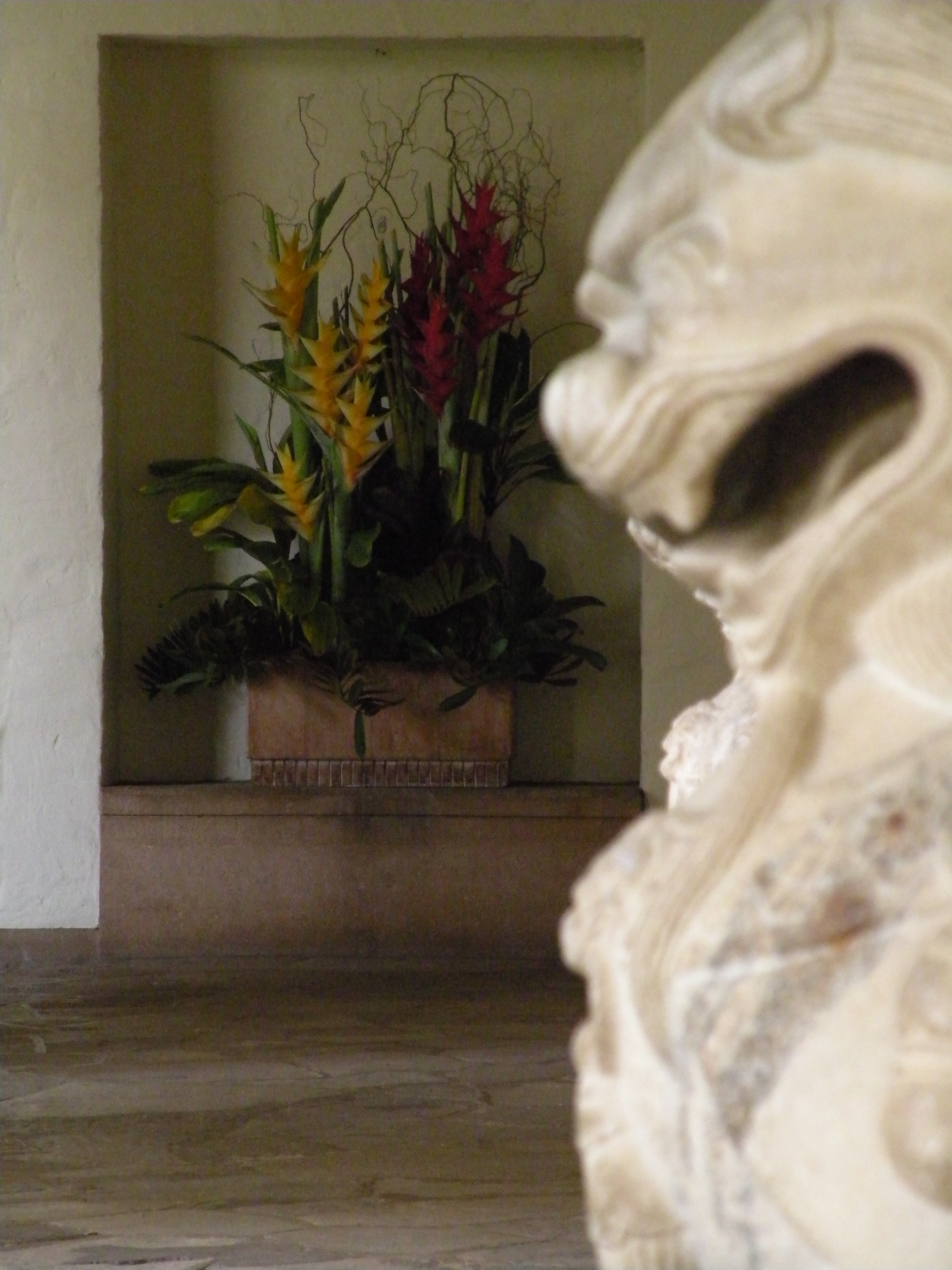
Academy of Arts
Waikiki – Another place in the sun!
In the meantime we’re off exploring the island of Oahu in all it’s splendour, colours and excitement while Sage gets a break and some much-needed attention. I need to replace the spartite that holds the mast in the collar as it goes through the deck to the keel, re-attach the self steering gear with some lock washers, get the drogue properly set up to be deployed should we run into some nasty weather and numerous other small chores that keep screaming for attention. Every little adjustment makes Sage work better for us and makes Sage easier to handle. It’s not all work though. We try to focus on boat work in the morning and by noon are usually out exploring, heading to the beach or planning an evening excursion.

Hawaii Yacht Club – looking at the harbour entrance
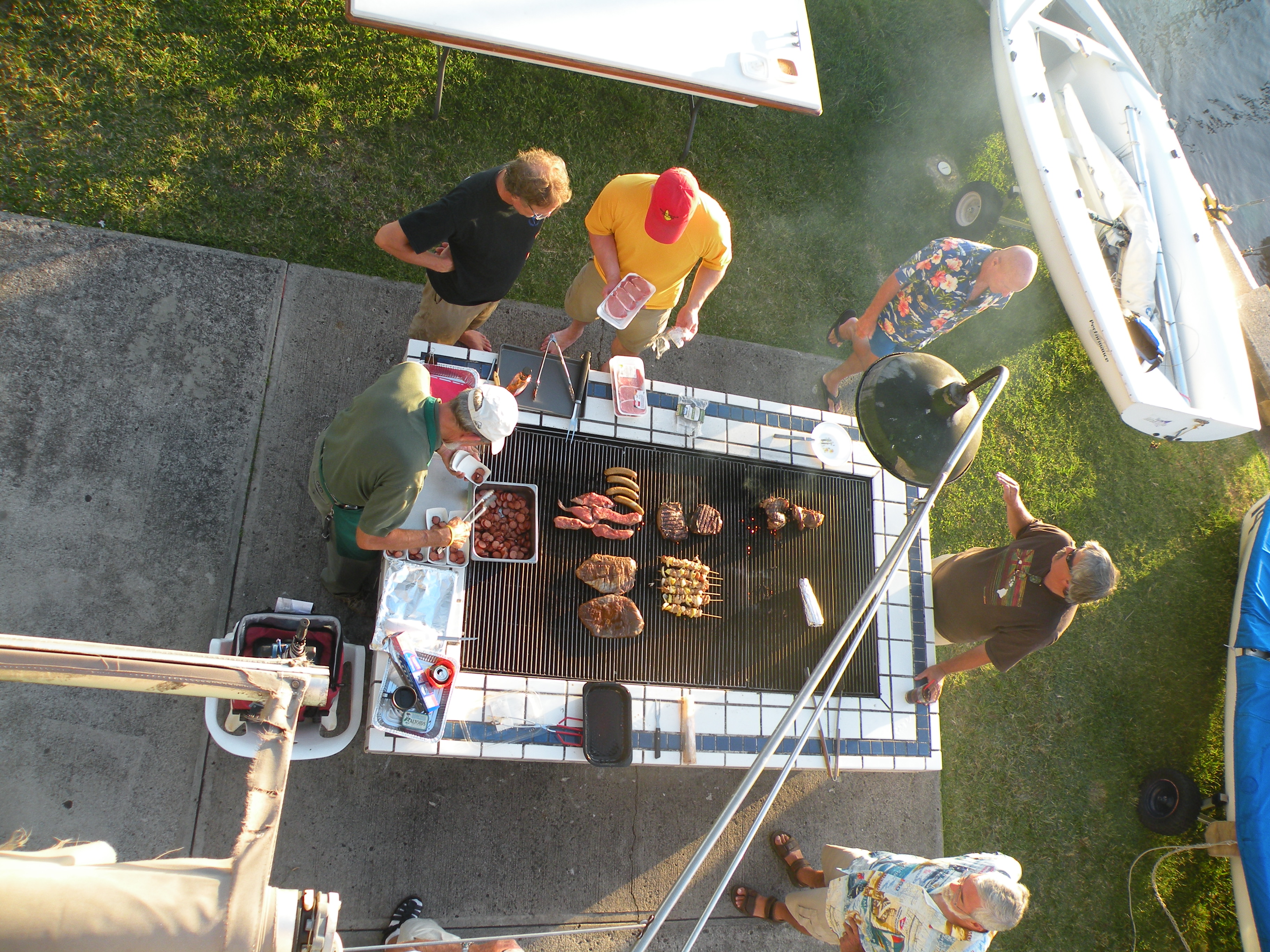
Hawaii Yacht Club – the BBQ pit

Offshore sailor’s BBQ table
Our temporary home for the present is the Ala Wai Yacht Harbour and part of that complex is the Hawaii Yacht Club.

Marina view from the 24th floor of the Ilikai Hotel
conveniently located at the west end of Waikiki Beach and from there we can walk into town or catch a city bus for $2.50 that will take us anywhere on Oahu . For us it’s a perfect spot to get the things done that we want to do and
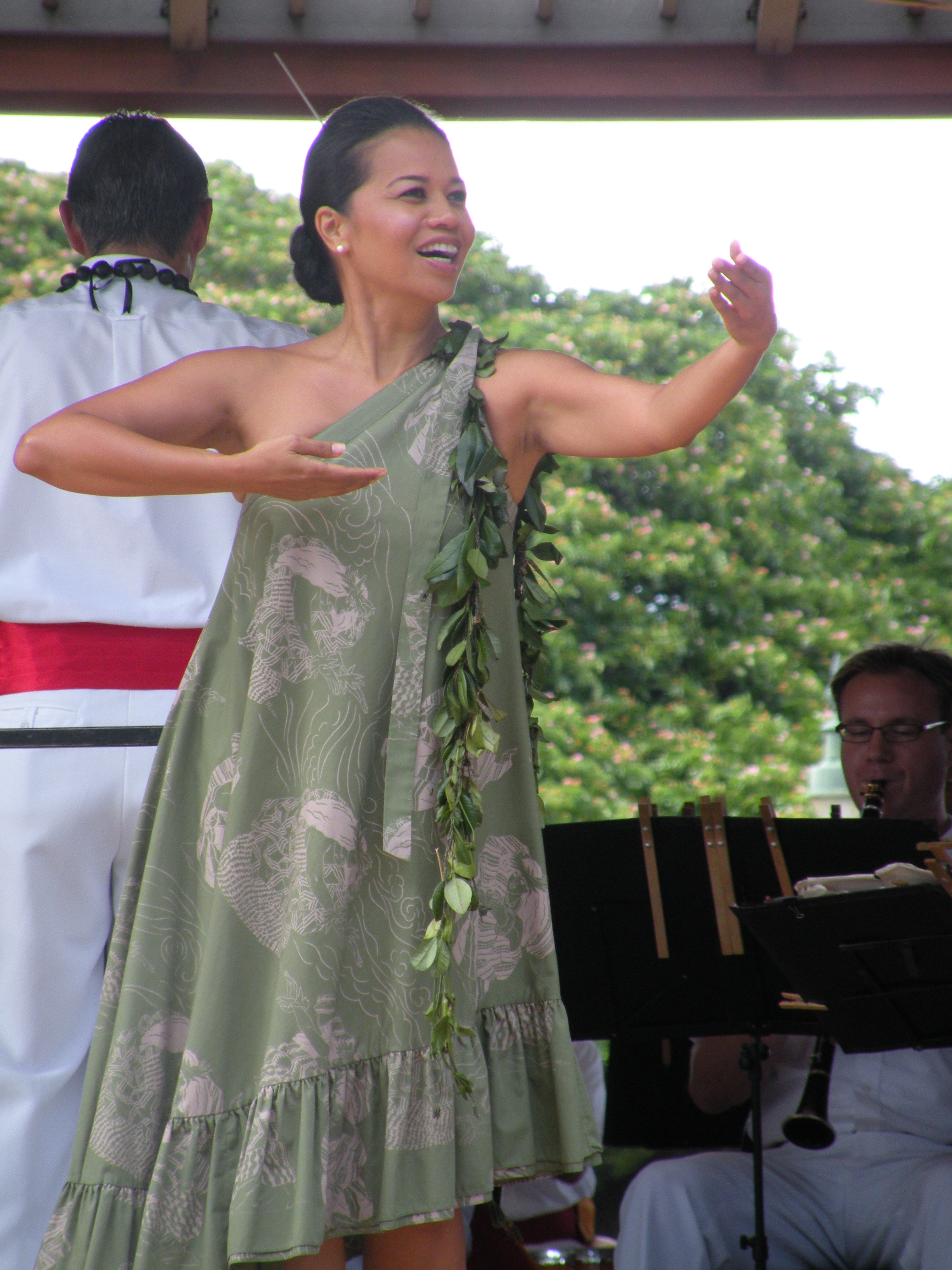
One of the first events we took in was the Sunday concert in the park featuring the Royal Hawaiian Band. Through an introduction, by e-mail from Bill and Donna, onboard Alia in Victoria we got to meet Bill and Barbara.
Waikiki, to many, is a vast and intensely urban tourist mecca bordered by one of the most spectacular summer surfing beaches. It is one of the most densely populated places in America and right now the surf is up and everyone’s headed to the beach for some of the best surfing the beginning of the season has offered. I often walk down from the marina to a place where I can watch the surfers heading out and it’s all of a 5 minute walk from the bow of the boat.
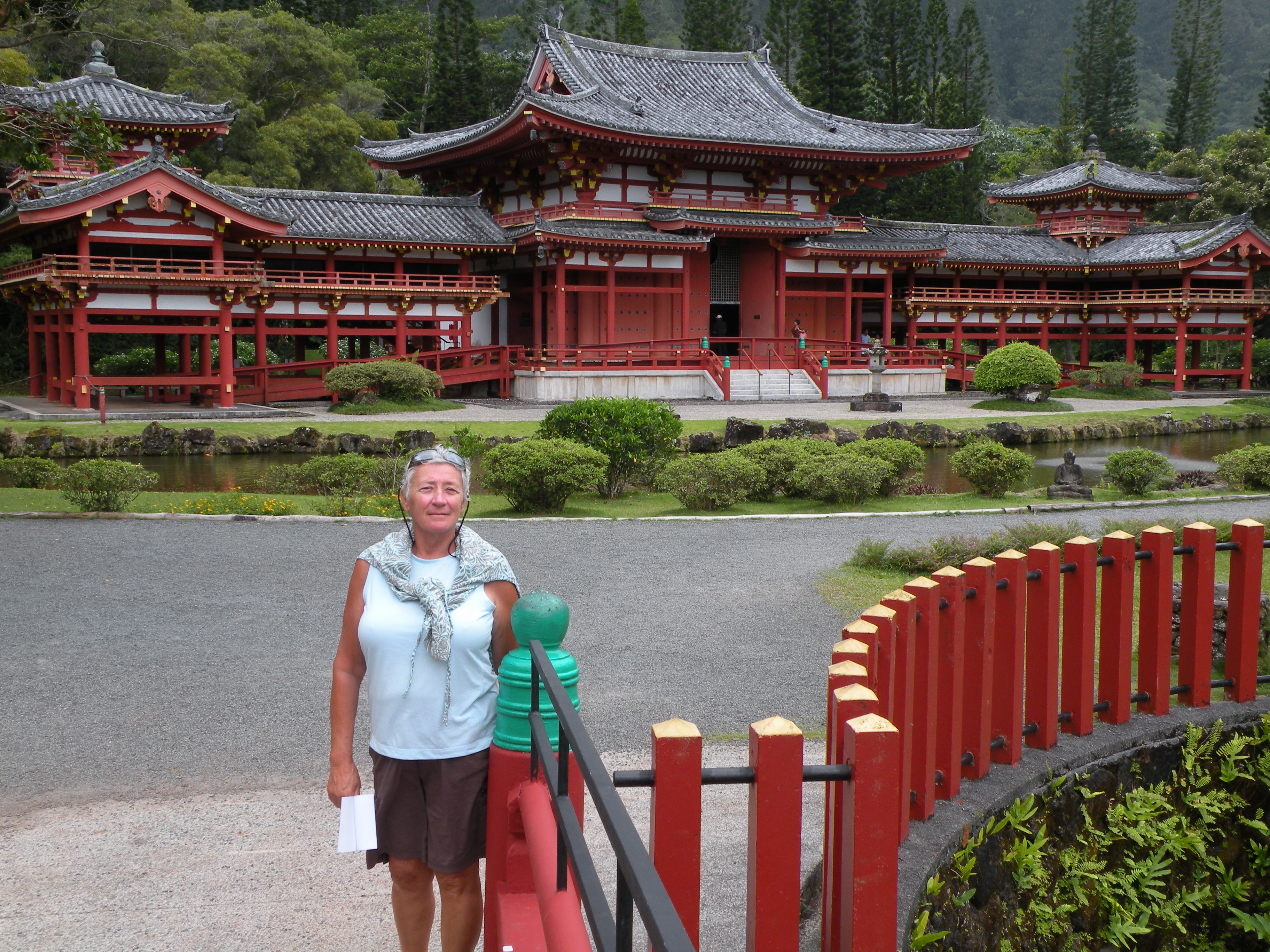
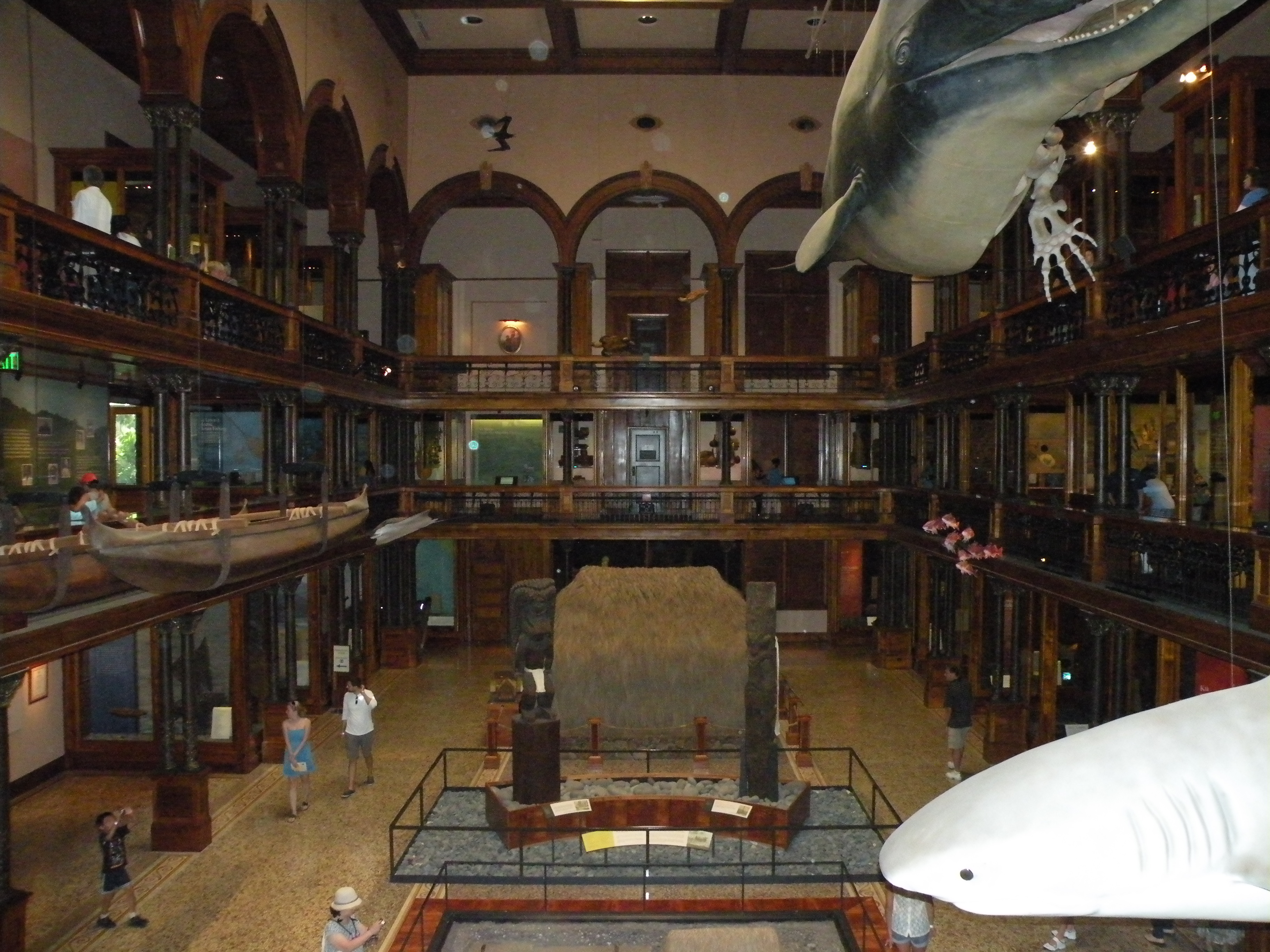
There’s a lot to see in Honolulu and on Oahu. Of course, there’s Pearl Harbour but other places we have been and things we’ve seen include the Bishop’s Museum, various markets, Foster’s Botanical Garden, Byodin Temple, circle drive around Oahu, Hanauma Bay and of course the hotel district of Waikiki!
Here’s a sample of pictures taken of some of the places:
-
- Byodin Temple
-
- Pali Highway

-

- Bishop Museum
-
- Chinatown Fish Market
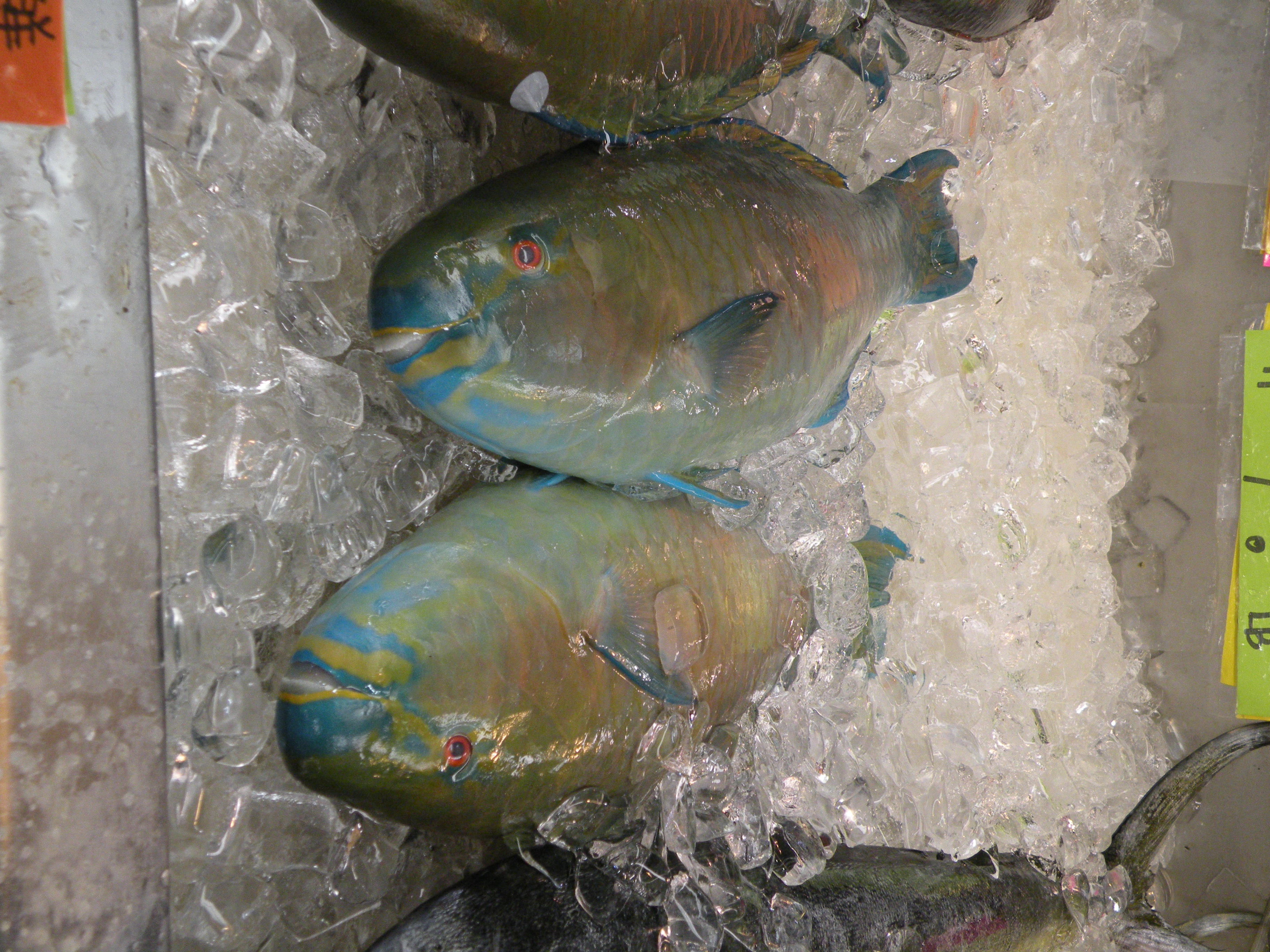
-
- Foster Botanical Gardens

-

- Hawaii Yacht Club – looking at the harbour entrance
-
- Hawaii Yacht Club – the BBQ pit
-
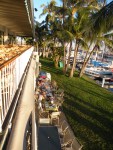
- Offshore sailor’s BBQ table
-

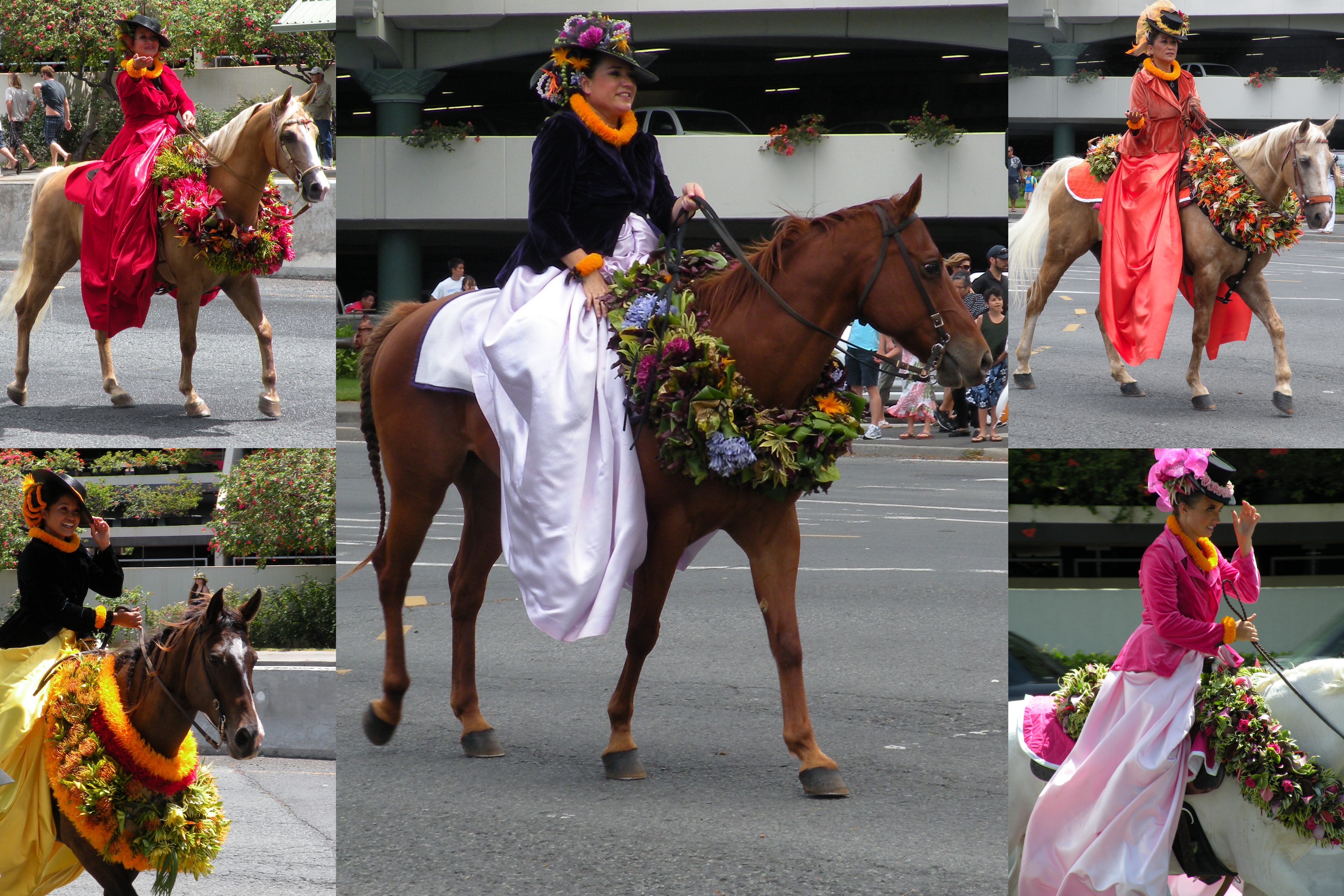
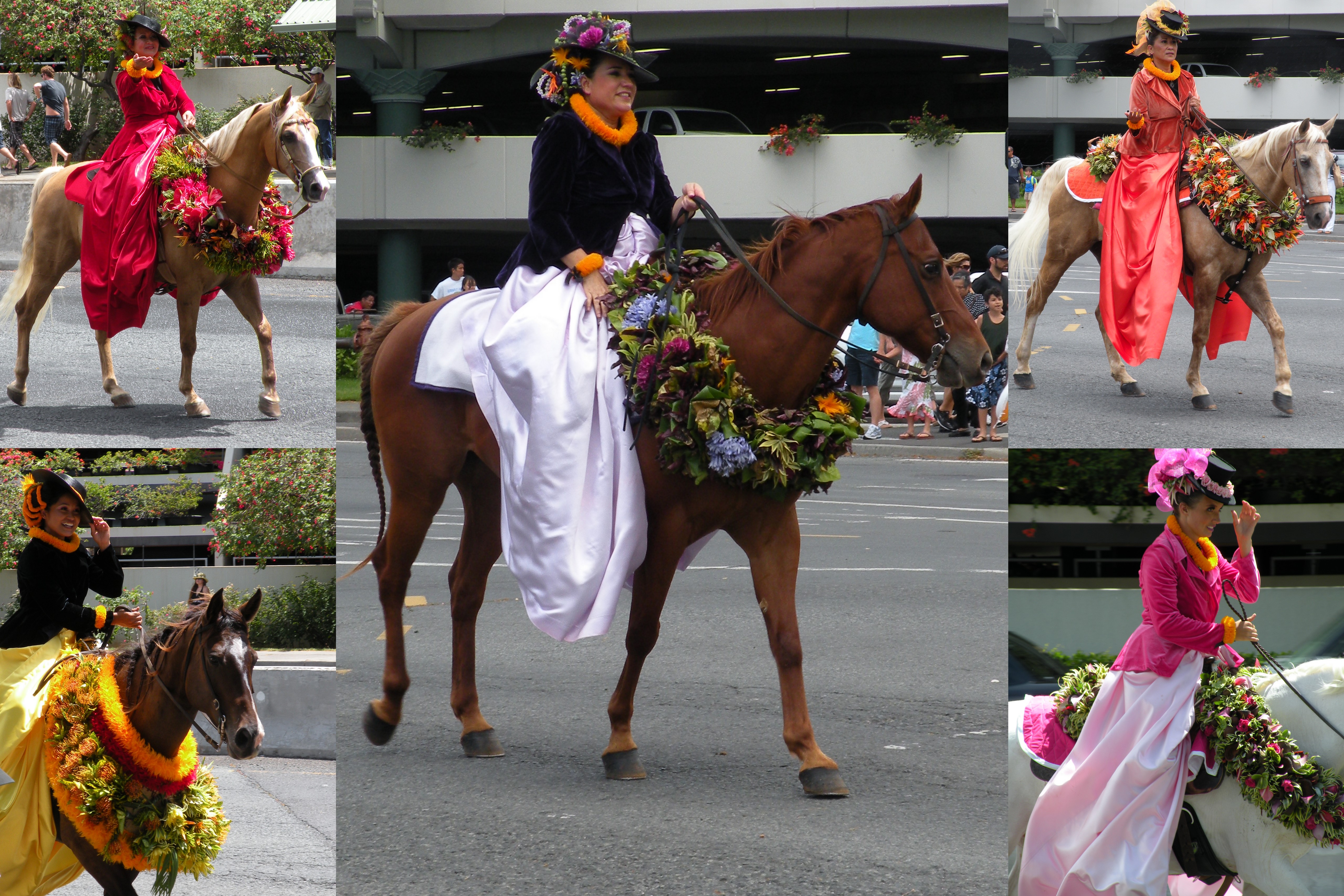
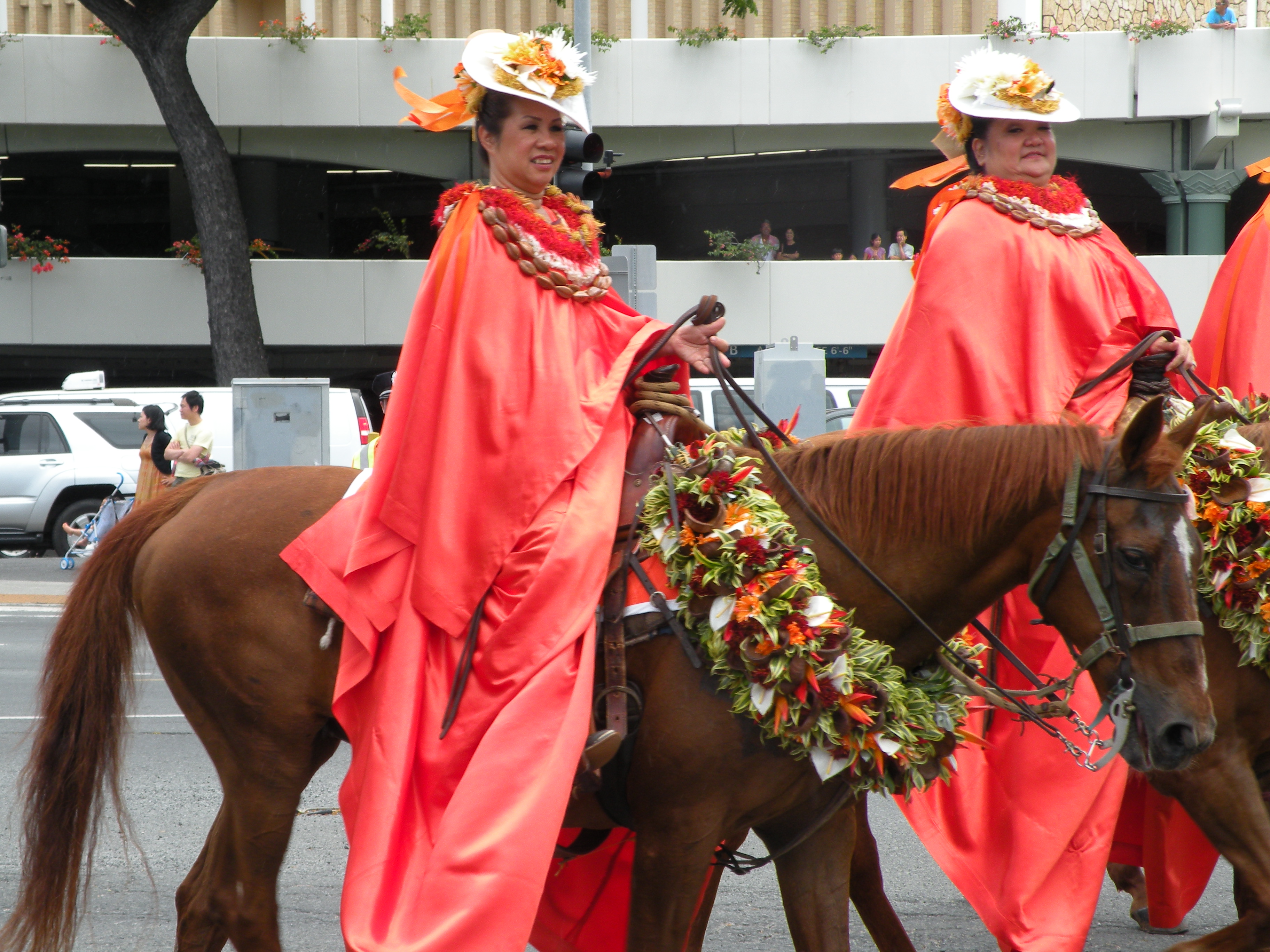
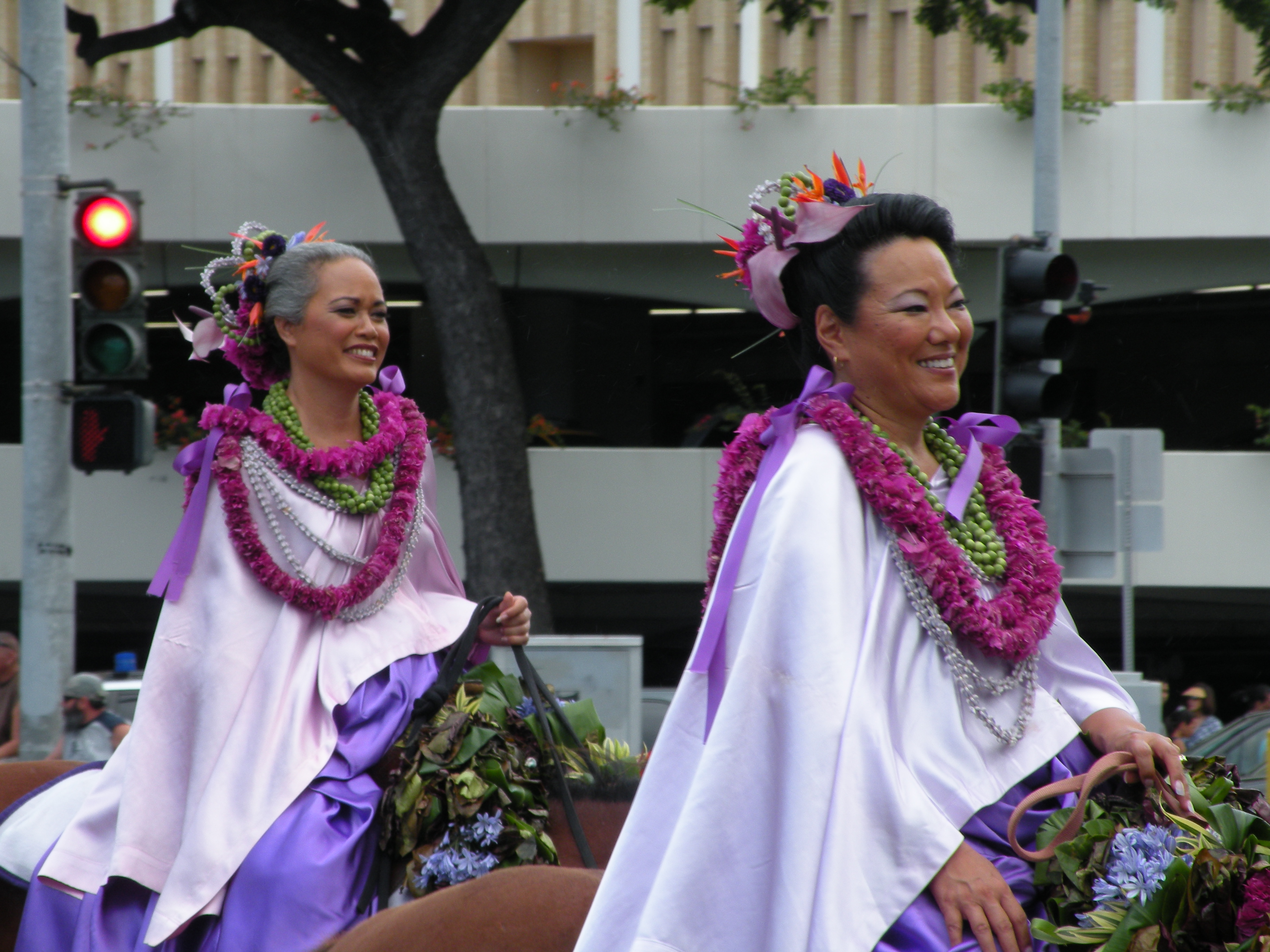
- Pa’u parade – 2011 June
-

- Our main form of transportation

-
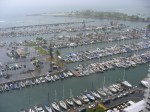
- Marina view from the 24th floor of the Ilikai Hotel
-
- Pa’u parade – July 2011

-

- Kapiolani Park Concert


2,864 Miles to Hawaii

The Crew:

Tony
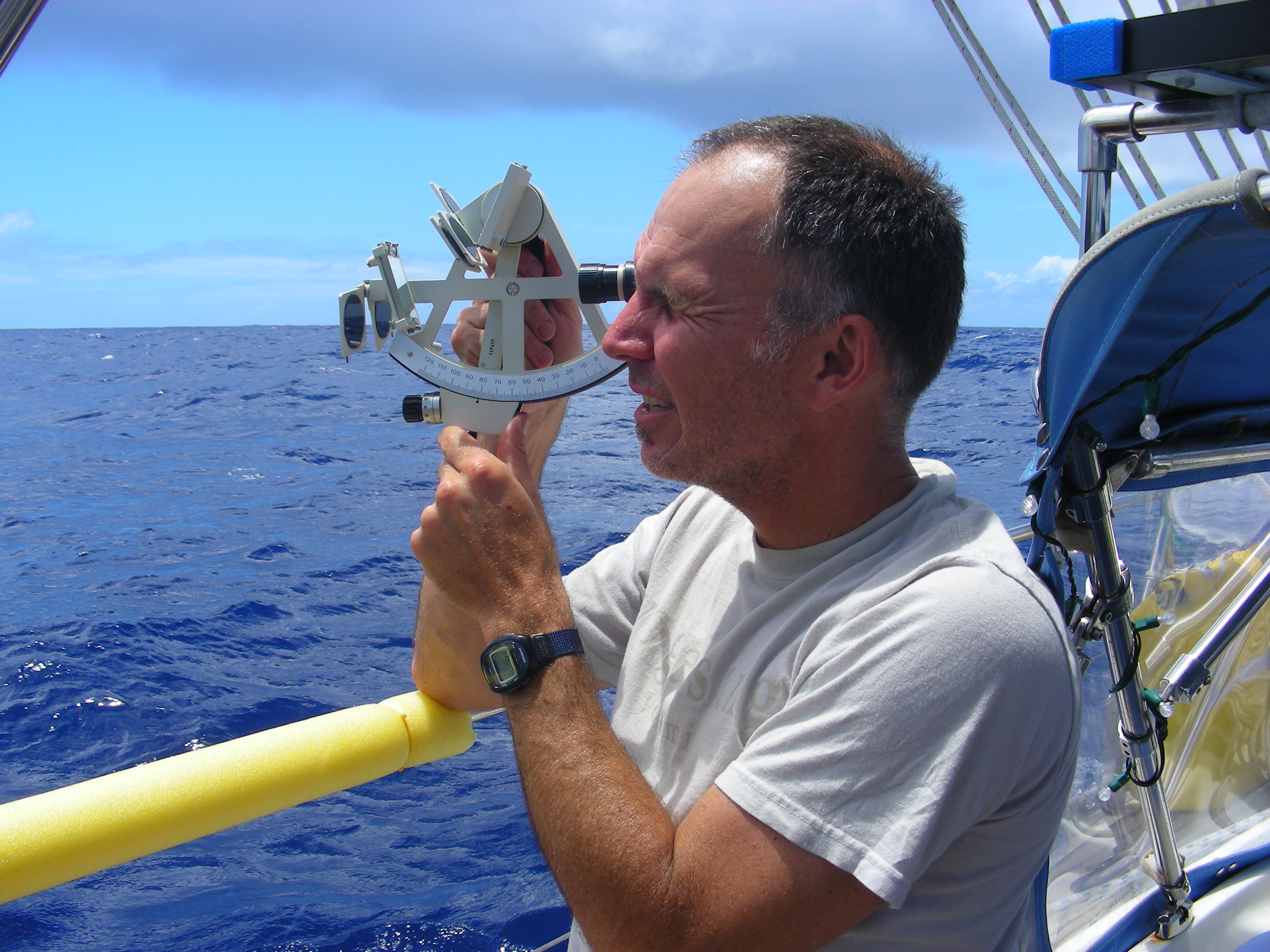
Bill

Connie
Items broken:
jib sheet that wore out due to chafe with the spinnaker pole/One chafing dish broken – Tony was thrown across the cockpit and landed on top of the plate/One rib – luckily not broken but possibly cracked – kudos for Connie for being so stalwart in her discomfort to soldier on and continue to provide incredible meals
Items lost:
One pair of sailing gloves
Other:
Bruised egos
Engine Hours Used – 12
Average speed: – 5.3knots
Number of ships encountered at sea: 4
Average temperature: 22
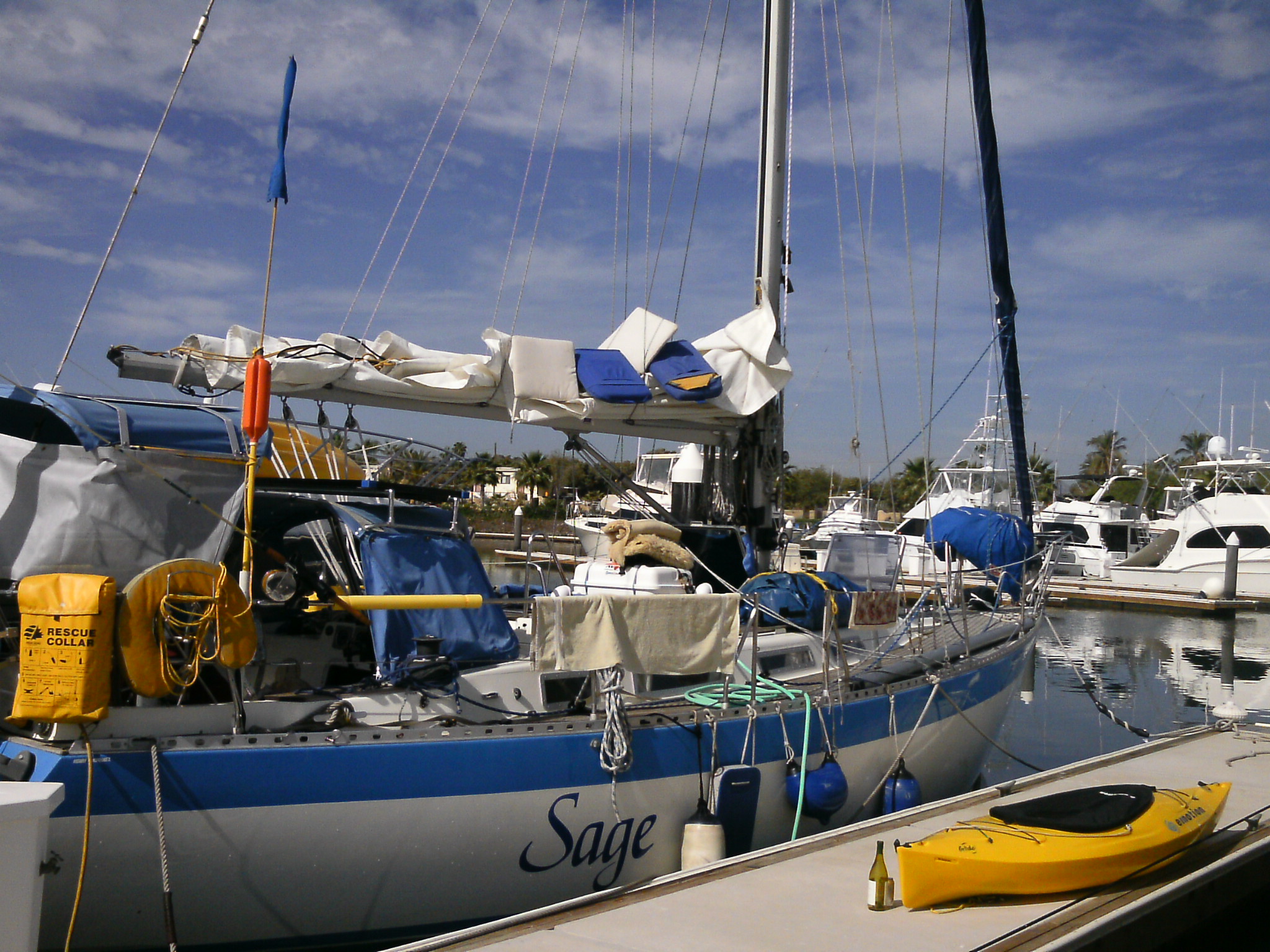
Getting ready to leave San Jose Del Cabo
This is a running commentary on our trip from San Jose del Cabo to Honolulu. Yes, it was 2, 864 miles on the great circle route; calculated at 100 miles per day that would make for a 28 day passage. That’s what we used to estimate the time it would take and use this to estimate, plan and purchase all that’s needed to support three people along with contingencies should the trip take longer. So, below is a short narrative of what the journey entailed split into three parts: the first 6 days, the middle 10 days and the remaining 6. Please forgive the references to sailing terms you may not understand but….
The First 6 days
We first left San Jose del Cabo on Wednesday, April 6th. The day looked promising;
Leaving Cabo – photo by Bill Holt
clear skies, a south west wind blowing 10 – 15 knots, the boat full of stores, electricity and water topped up and a new crew member onboard, Bill from San Francisco. Motoring out the channel from the marina we were apprehensive and excited to finally be on our way. Well, 3 hours later we were coming back in the same entranceway with our tails between our legs. Within 15 minutes of leaving the wind had risen to 25 knots accompanied by a playful sea that immediately saw everything soaked with salt water, the main settee soaked due to open hatch, eggs on the floor, egos bruised and salt ½ inch thick coating the deck, rigging, cushions and ourselves. Um, not a good beginning!
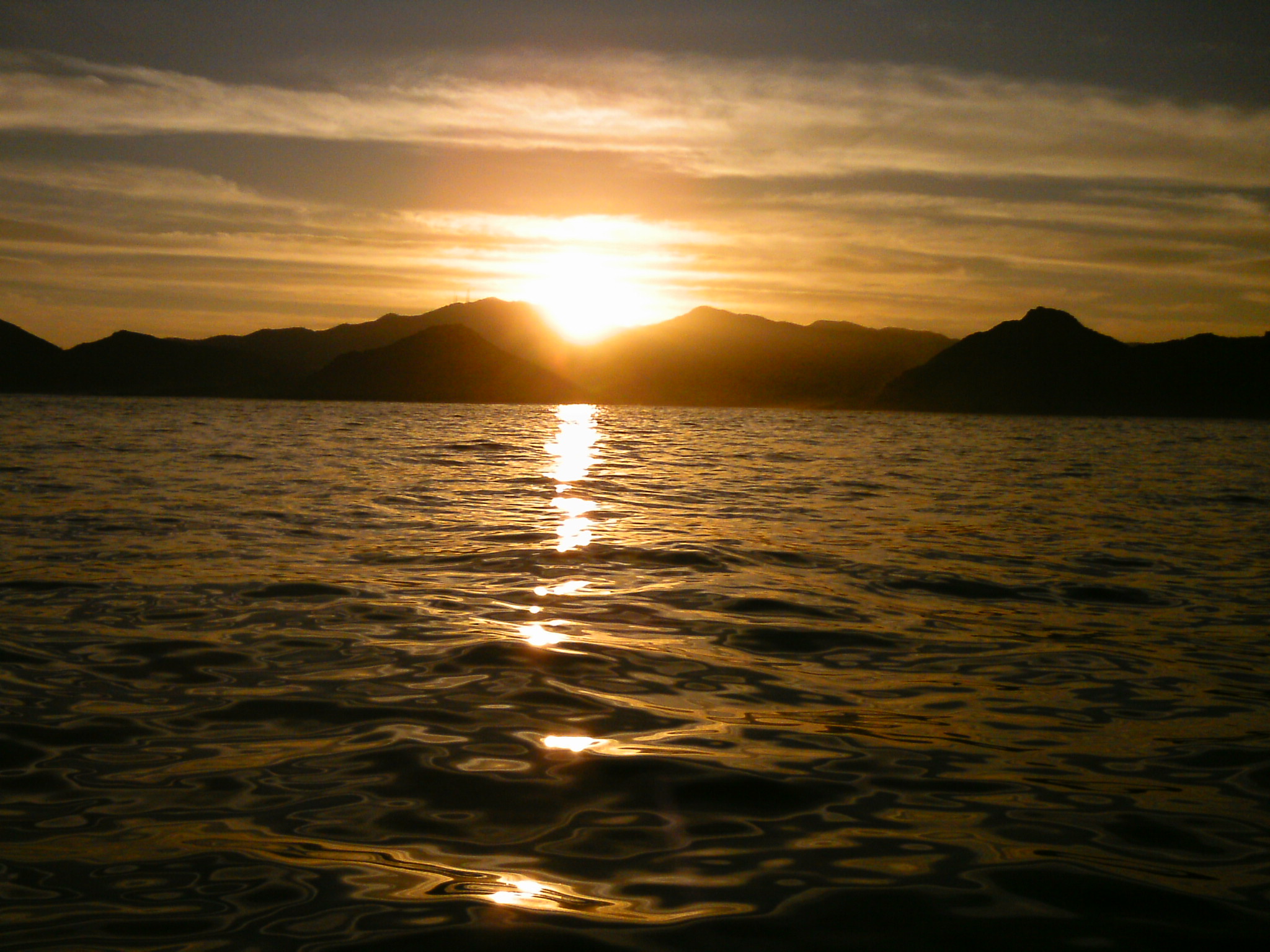
Heading back in we washed off, cleaned the boat, dried out the cushions and assuaged our thirst with gin and tonic, beer and whatever else we could find to build up our confidence. Next day saw us leave again into calm seas in the late afternoon. Motoring along towards Cabo San Lucas we were entertained by whales, tour boats, fishing boats and the developments along the coastline. By 1800hrs we passed by Cabo San Lucas slowly coming alive with night lights taking command from the gorgeous sunset. The sea an oily calm

Oily calm – photo by Bill Holt
reflecting the spectacular sunset gave us more confidence things were going right. Shortly thereafter we spied a wind line, raised sails, made sure everything was closed below and started sailing.
By 2100hrs it felt like we were off San Jose del Cabo again, beating to windward, seas large and getting larger. Wind was blowing at 15knots and increasing slowly. Land and lights were receding as we headed in a southwest direction and trying to adjust to life at sea and a watch system that kicked in right away:
- 1800hrs to 2100hrs – Bill
- 2100hrs to 2400hrs – Connie
- 0000hrs to 0300hrs – Tony
- 0300hrs to 0600hrs – Bill
- 0600hrs to 1000hrs – Connie
- 1000hrs to 1400hrs – Tony
- 1400hrs to 1800hrs – Bill
And so it revolves as the hours turn into days, the days into weeks and hopefully the weeks don’t turn into months.
Well the conditions didn’t improve.
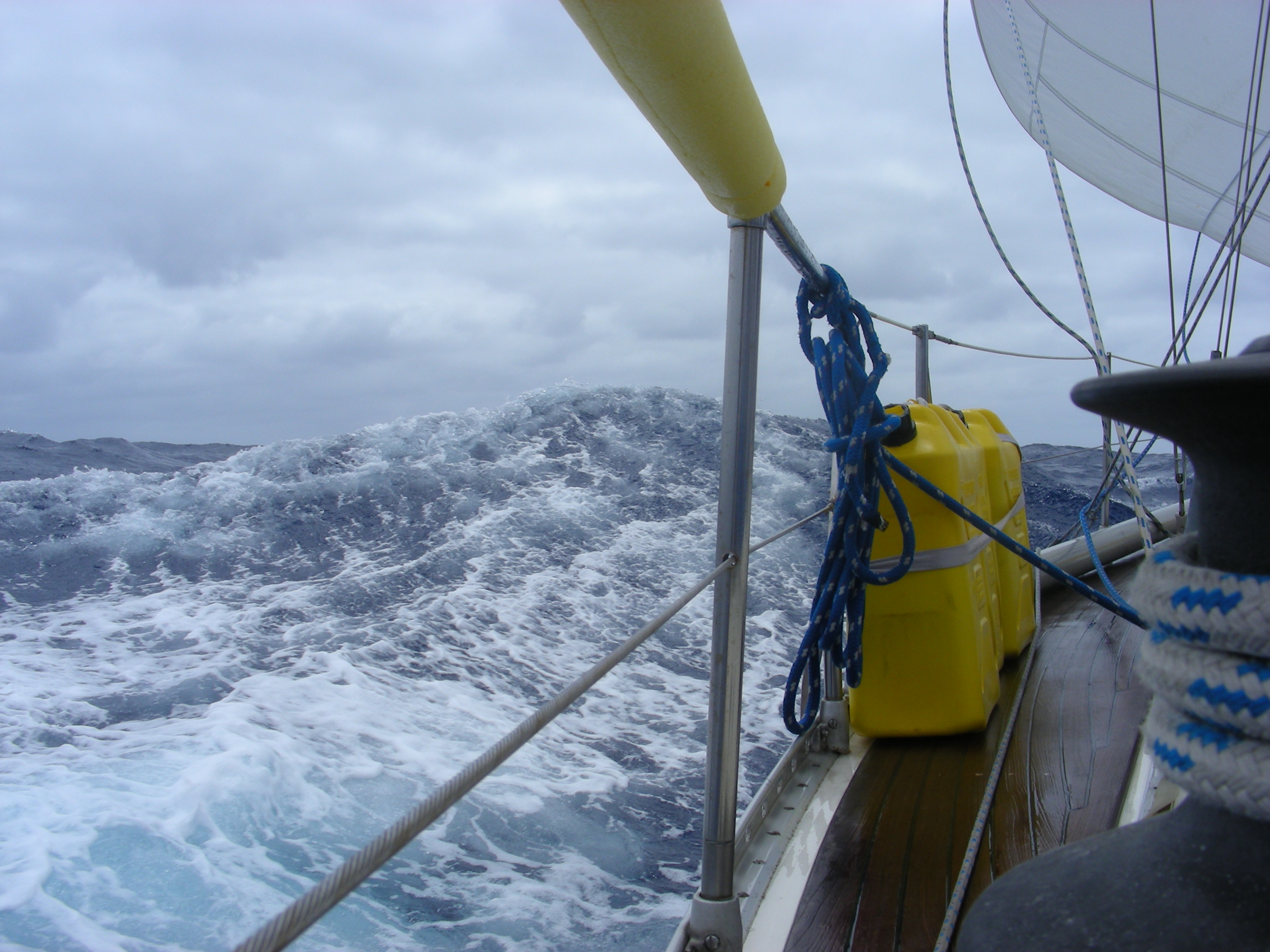
Roaring along
Daylight brought all into view, wind blowing at 20-25knots, seas running large, the decks awash, dishes and containers crashing below, food on the floor, spent nerves, anxious looks, sleep deprived crew and to top it off no sun. No sun was a surprise as after 3 months in La Paz we can only remember 1 day where the sun didn’t shine for every hour; so much for the tan.
Getting used to this kind of environment takes a while. To begin, we all hunkered down doing all we needed to do to keep the boat moving, try to stay dry, try to sleep but no matter how hard one tries land looks awfully enticing. However, it’s not an option. As we moved further away from the coast the less likely it was for us to turn back as getting back presents no better an option than trying to keep going. Hunker down, seek solace in wild dreams, snack often to keep up strength and most of all hold on tight whatever you’re doing. The old adage of ‘one hand for the boat and one for yourself’ never was heeded more. No matter what we had to do it involved 4 times the amount of time it would take one on land. Basic functions of eating, walking, toiletries, cooking, eating and sleeping took up most of the days.
What would make a difference? Why would we put ourselves through this? Well, we were supposed to be in the ‘trades’. You know, those halcyon days where the winds are 10-12knots, the seas from the stern and life is wonderful and the fishing line is full. That’s what we thought may come at any minute. But moving at only 6 knots means things change slowly. The north west swell remained strong, the wind remained from the north west and this meant we couldn’t exactly point the boat in the direction we wanted to go i.e. Hawaii. So, what were we looking for?
The next 10 days
We were looking for any relief from the constant pounding
we were experiencing. Every day we would look out to see if the swell and wind direction were changing.

Still getting wet
It became the topic of the day i.e. when is it going to change? Well, after the 8th day we saw some hope. The wind didn’t go down but something was happening. After living ‘on our ears’ so to speak we could feel a slight difference down below. The motion had changed slightly. The boat was taking the seas at a slightly different angle but the wind still remained high running at 20-25knots. The motion was still uncomfortable but our spirits were rising as it became more and more evident that the swell was moving to the north. However, the boat now had to contend with swell from 2 directions but as the days passed the swell was definitely changing and eventually settled into a north east direction.
However, it order to provide a modicum of comfort we had been sailing in a southwest direction and we wanted to
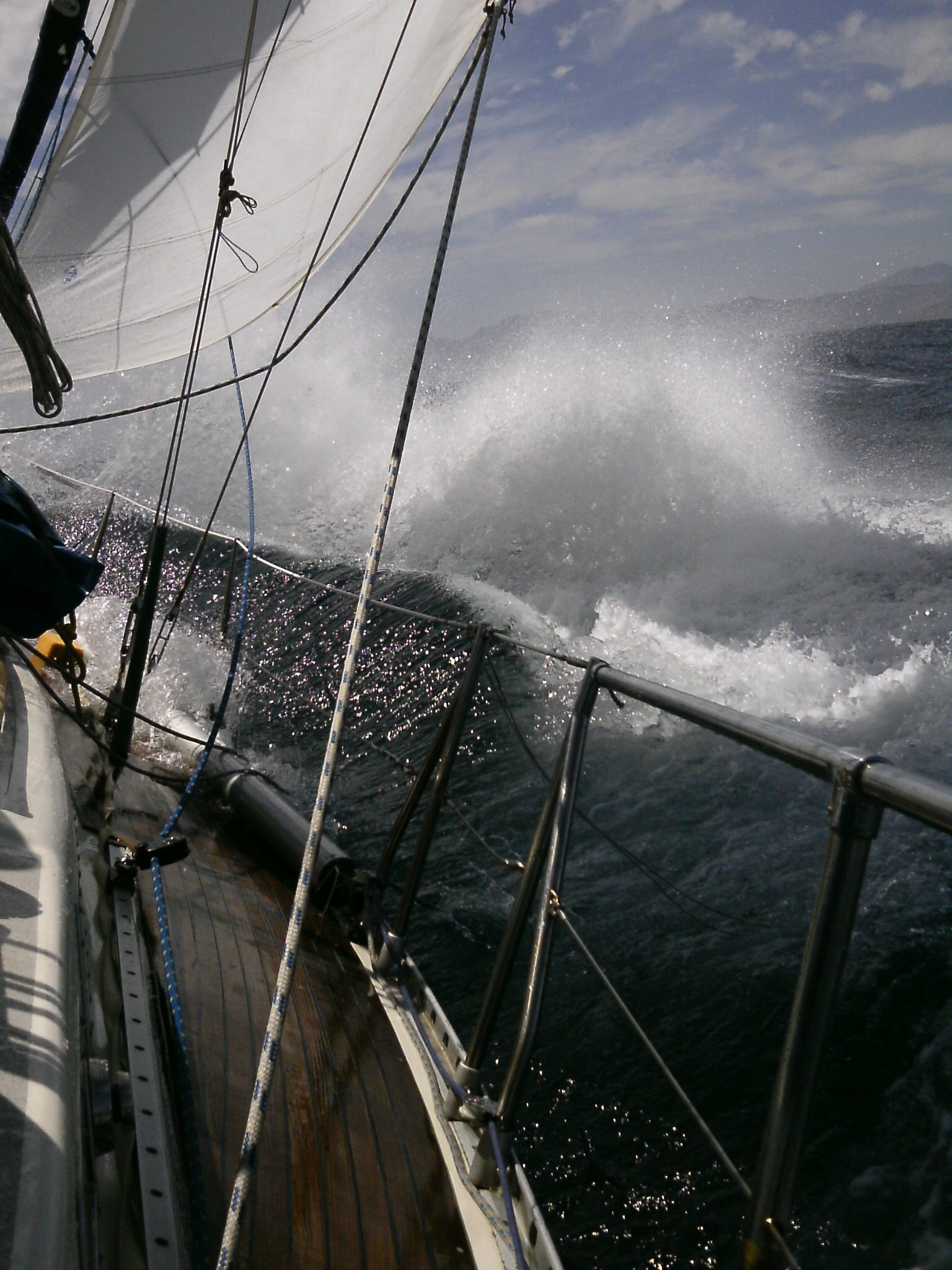
Off Cabo – looks pretty but after 8 days of seeing this is gets tiring! photo by Bill Holt
gain some of that loss back and move up to 21.15 degrees north. So, with each change of the wind and seas we lost a certain amount of gained comfort by steering in a more northwest direction. Comfort be damned, let’s get to the point where we can actually turn the boat so that it’s actually facing to Hawaii.
That worked for a while, until Connie was thrown out of the galley and across the cabin landing on the edge of the chart table. I remember lying in the pilot berth and being suddenly awakened by the painful sounds of Connie’s moans as she gripped her side. Flying out the berth to be at her side all visions of horror surfaced. She was obviously injured. Trying to make her comfortable inside a tumbler i.e. the boat was not easy. There was no easy place for her to escape the pain. It became obvious that she had either cracked or broken a rib. Try doing the same and living in a car driving over a logging road in the Walbran. Now you have a picture of how difficult it would be finding a place to stop the pain. It took 10 days for her to get to the point where she could find a position to lie in that would stop the pain. A brave girl but with no alternatives it was a matter of lots of ibuprofen and gritting teeth an experience not to be repeated.
Conditions were improving; more movement of wind and seas to the northeast. Seas were still boisterous, we were still focused on getting by with basics, dinners were made
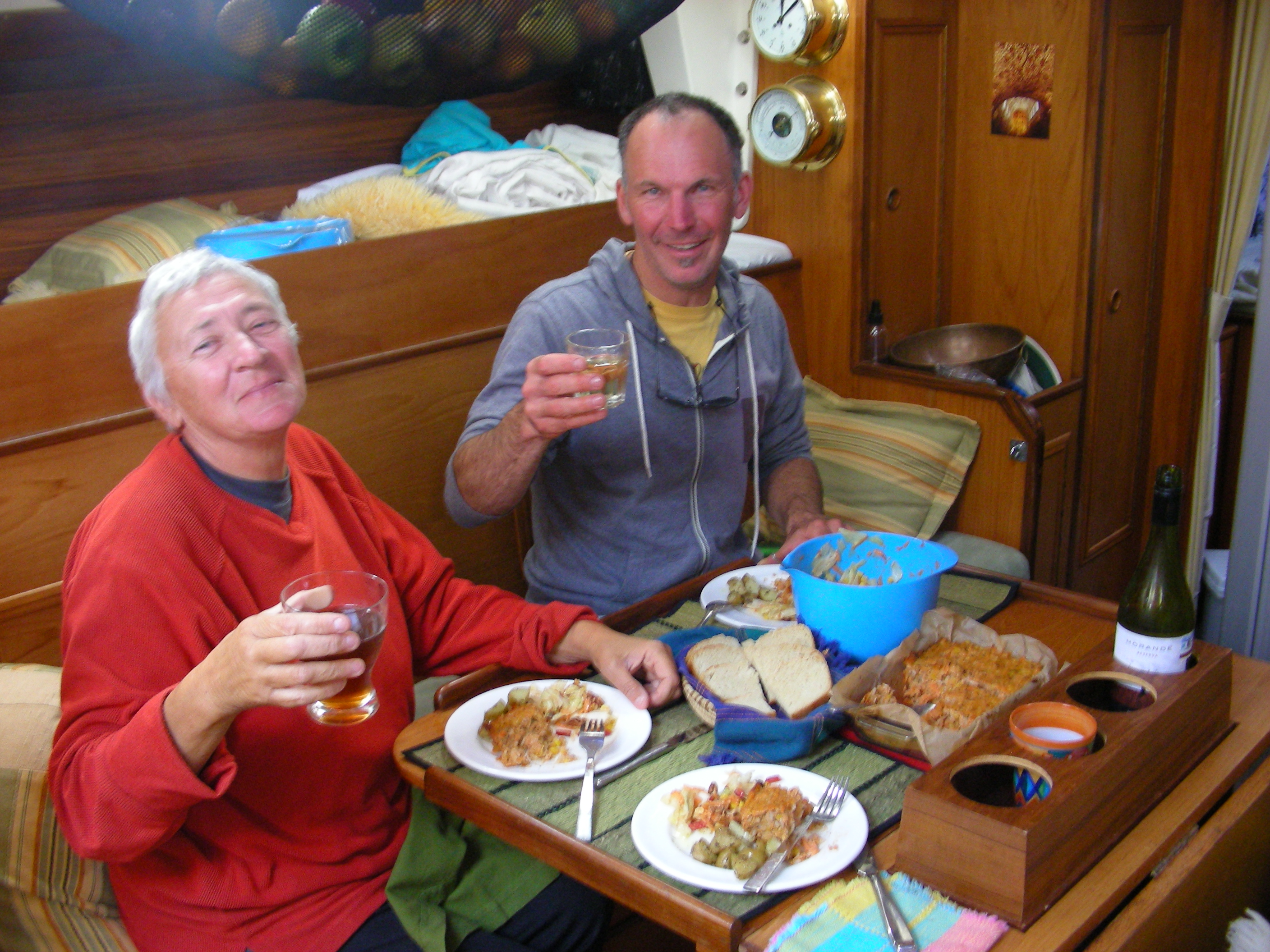
Celebrating our halfway point with a sit down dinner
and our celebratory moments were being recognized. Yes, we had pre-determined moments to celebrate just like any great project. Important to have milestones and milestones we created just to make us feel good. They comprised things like passing the point in maximum point of longitude of our previous attempts to make it to Hawaii, passing the ½ way or ¾
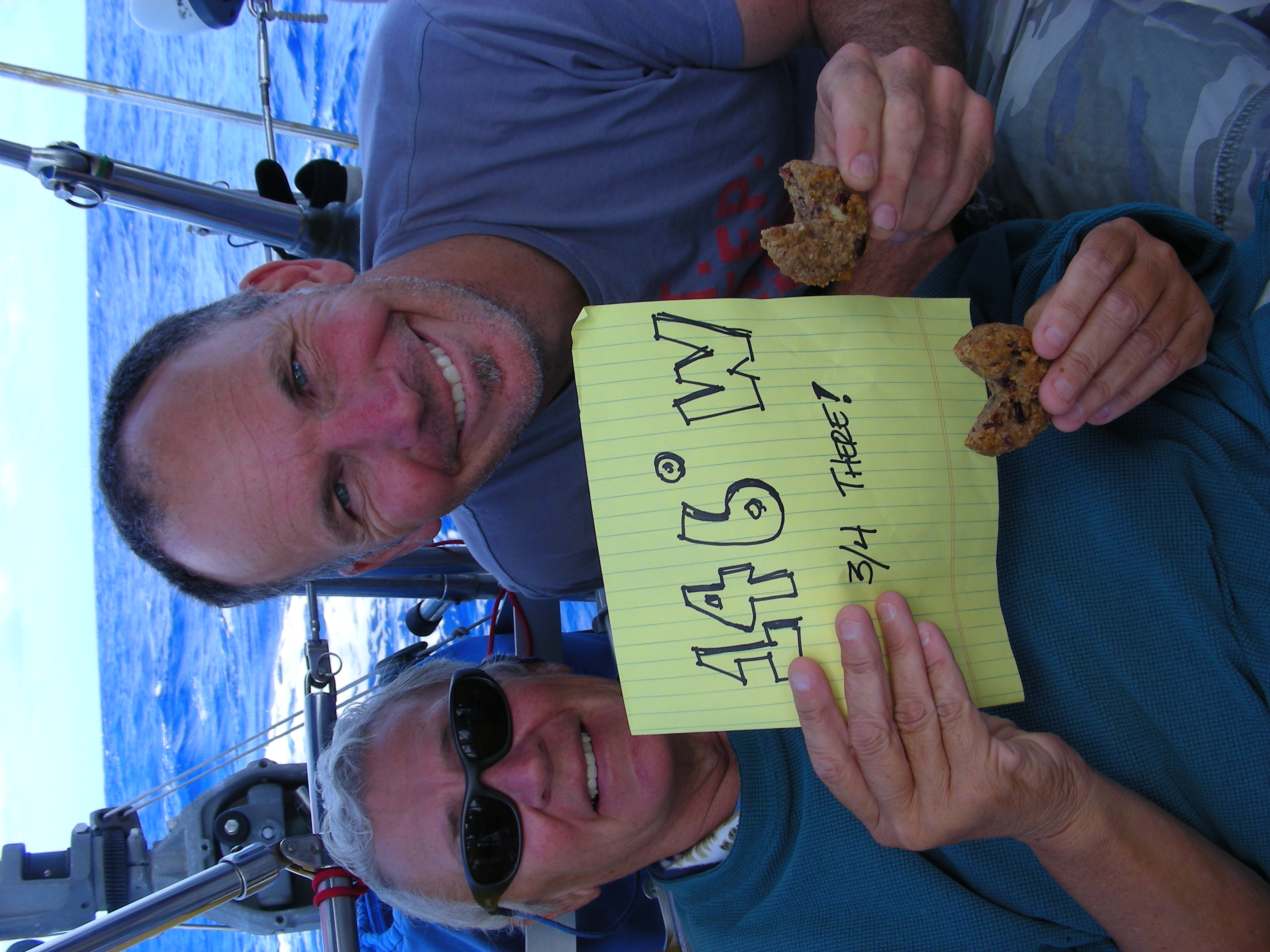
3/4s of the way again
point of the voyage and always noting when a significant change would happen in number of miles left to travel and then of course sighting land.
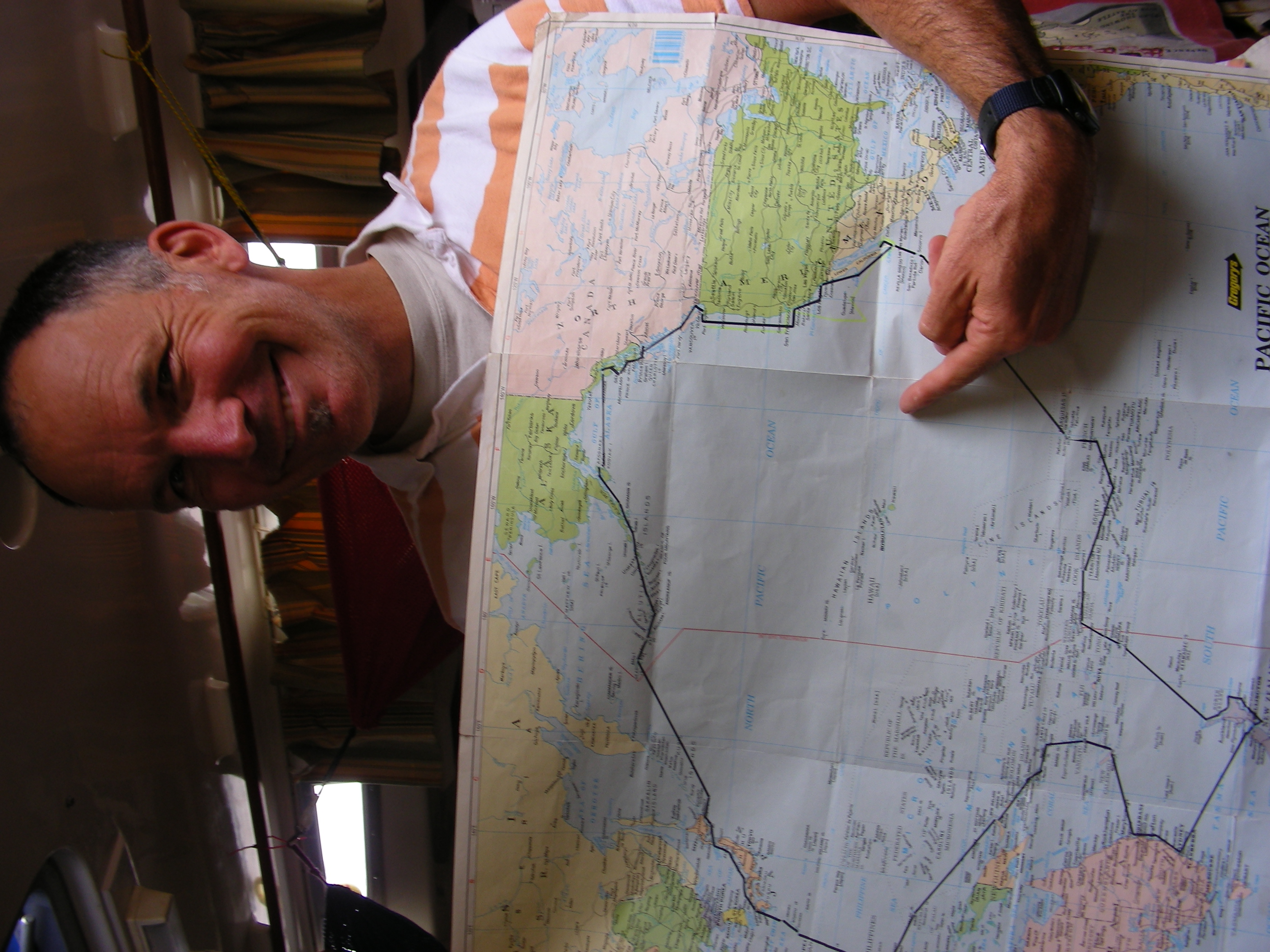
Now the closest shore is 1,800 nautical miles in any direction
Funny, time begins to mean nothing. Each of the days melds into another and one finds it difficult to think on which day a specific event happened. Still with very little sunshine celestial navigation was at a minimum and certainly no sun tanning. Nights were still cold in the cockpit, things were still getting wet but not with the frequency of the first 6 days. Wind was constant and finally we were maintaining our course along or close to the 21 degree latitude mark. Life was looking better…..
The last 7 days
Wow! The wind is from the east, the swells are on our backside, the boat is more comfortable and we’re sleeping well, eating sumptuously, the fridge is still working and we’re getting more sunshine each day. We’re now seeing a little wildlife in the form of gannets, storm petrels and tropic birds. What a welcome sight as there hasn’t been and dolphins playing in our wake, no whales surfacing and only one ship since leaving Cabo San Lucas.
We’re also deploying the fishing line with some success.

Success at last
None of us are real fisherman but we occasionally drop the hook to trail behind the boat. I have to say we were happy to catch something (still to be identified but tuna like) but not happy with the taste. So, the fishing line and rod remain in place but not seeing much action.
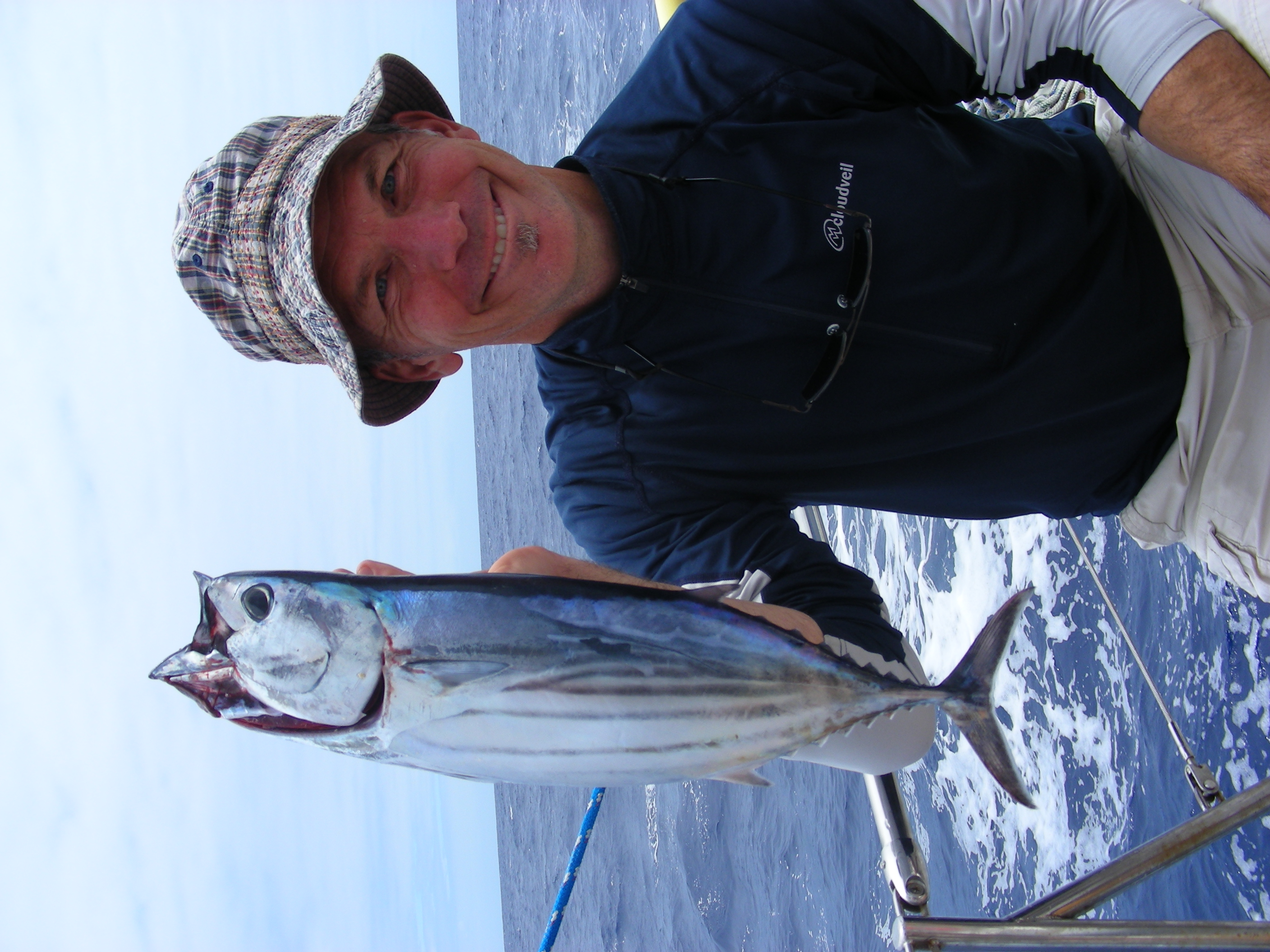
Yes, it’s loooking good
Hawaii is now closer. Our spirits are rising but the sailing still presents some challenges. Squalls! Just when we think we have the trade winds we get squalls. For 2 days and 2 nights we are challenged with what is the best sail combination. Our timing in terms of the moon has not been good. We left Cabo on a waxing moon and 2 weeks plus into the voyage we never saw the full moon due to cloud cover. Now we have nights that are inky black and squalls. Squalls can come up quickly, devastatingly overcome the boat and throw her on her beam ends. We’re conservative at night time and brazen in the day time. Night time our speed drops due to reduced sail but daytime we can be a little cavalier and carry more sail and in the squalls reach 16.5 knots – now that get’s the adrenalin running!

Come on we’re almost there

Squall coming – all crew on deck
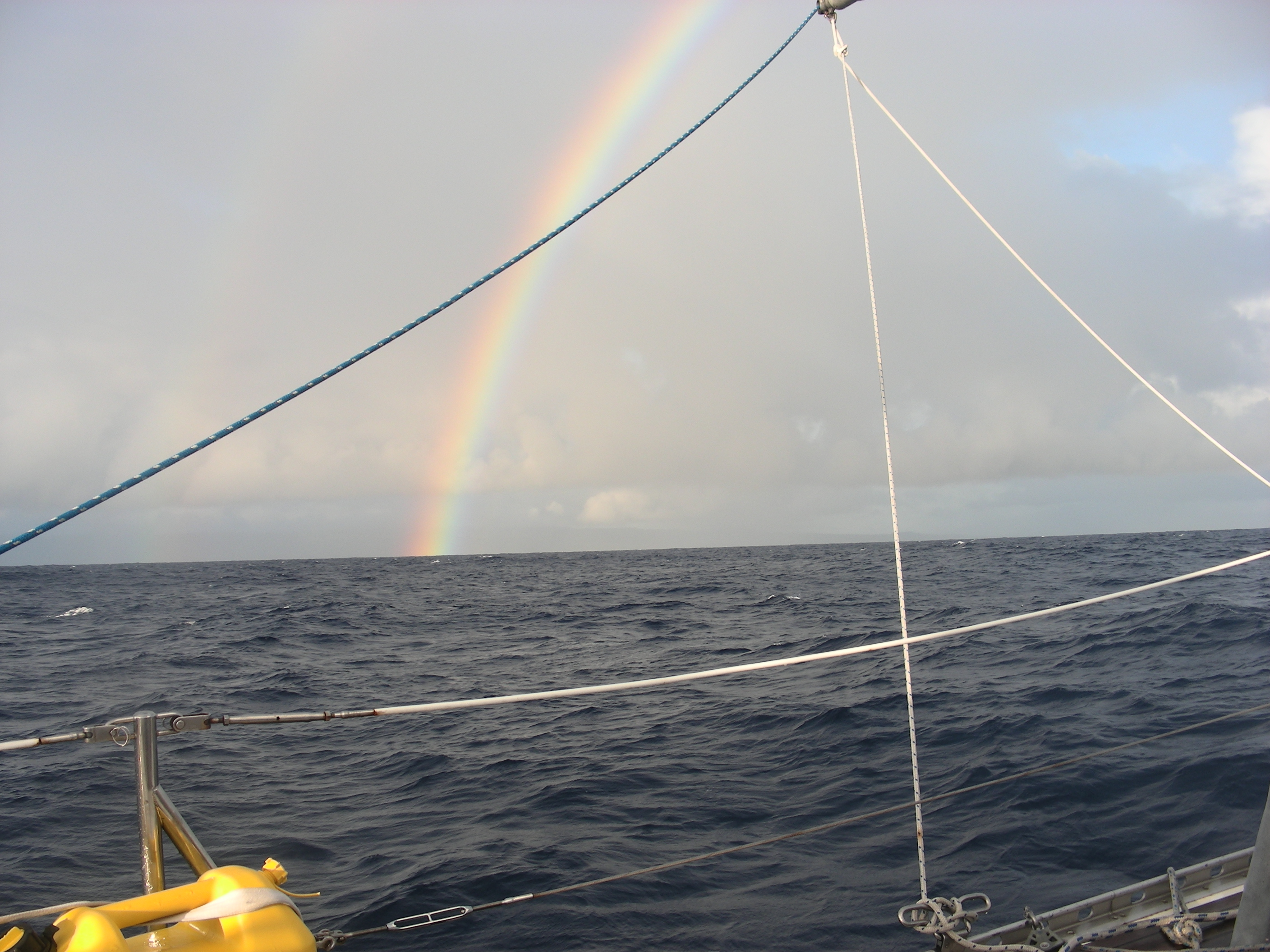
Squall gone – back to bed if you can till the next one
Squalls were short lived and trades settle back in for the last of the run to Hawaii. Excitement grows and the competition to see who sights land first begins. With Hawaii’s height at over 12,000 feet surely we can see it from 150 miles away. Who gets to identify it first? Bill, takes the prize. Sighted at over 60 miles the tip of Hawaii appears above the clouds. At over 10,000 feet it’s an awesome sight but it doesn’t stay visible for long. More rain squalls drive relentlessly down on Sage.
Sailing along the northern coasts of both Hawaii and Maui squalls are again frequent and sometimes severe. The worst occurs at 0300hrs with hatches and portlights open, complete darkness and near maddening blast. The boat is sailing wing on wing, full genoa and a single reefed main. The wind rises quickly and intensely. “Get the jib in” roars everyone. All well drilled but scared something serious is going to happen. The boat careens violently with the pole almost pointed vertically to the blackened sky. Rigging straining as well as nerves but we’re successful and avert a disaster. The sail is now under control, it’s pouring with rain and some of us called out of bed have nothing on and the cold is now settling in as the adrenalin rush wears off. Finally, all but the person on watch retreat below apprehensively waiting for the next call for help. It doesn’t come but now we have the right sail combination up and are moving slowly and under more control.
Squalls continue all night and into the following day. A decision is made to head through the channel between Molokai and Maui and head for the anchorage on the western end of Maui. We need a break to collect our wits and to calm our nerves after battling the squalls. The anchorage is small, the wind screaming, 3 charter catamarans at anchor, reefs on all sides, about 50 people

Doesn’t take long for Connie to get the bathing suit on and head over to the charter dive boats and returns with hamburgers in a baggie!
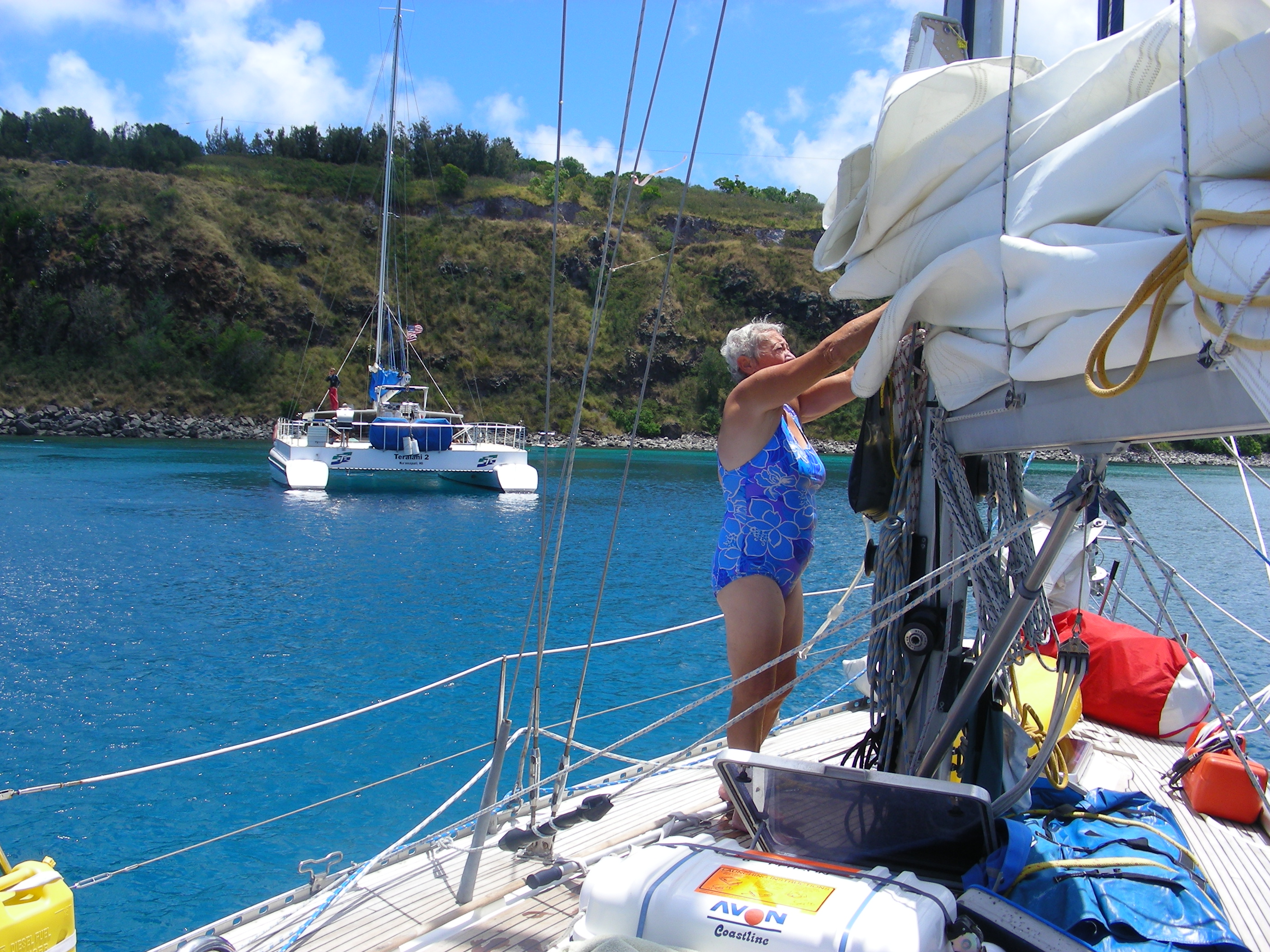
Anchor at last
snorkelling around the anchorage oblivious to us coming in and on top of all this a turtle. Yes, a turtle and everyone’s attention focuses on the turtle and here we are trying to control the boat in 30+ knots of wind and squeeze into the anchorage. Success – we made it. The anchor is down and we’re not dragging. Time to relax, straighten things up, get something to eat, swim and prepare for the next 70 miles to Honolulu.

This is the kind of fishing I like – 2 X hamburgers from the charter boat!
Summary
As Bill says “we sailed from the ridiculous to the sublime and back to the ridiculous”. Yes, the beginning was tough going, the midpoint promising of better things to come and the end a challenge. The Hawaiian chain is over 200 miles long and it challenges us with more than what we consider is fair as we sailed 2,800 miles and felt we should have had an easier entrance. However, as yes, Bill says: “You get what you get and it has nothing to do with what you deserve!”
We were successful and after three tries we’re finally here. Our friends on SV Before left 3 days before we arrived and we were sorry not to have been faster getting here but am sure we’ll meet lots of new people, have more tropical adventures and when it’s time to move on we’ll make the move.






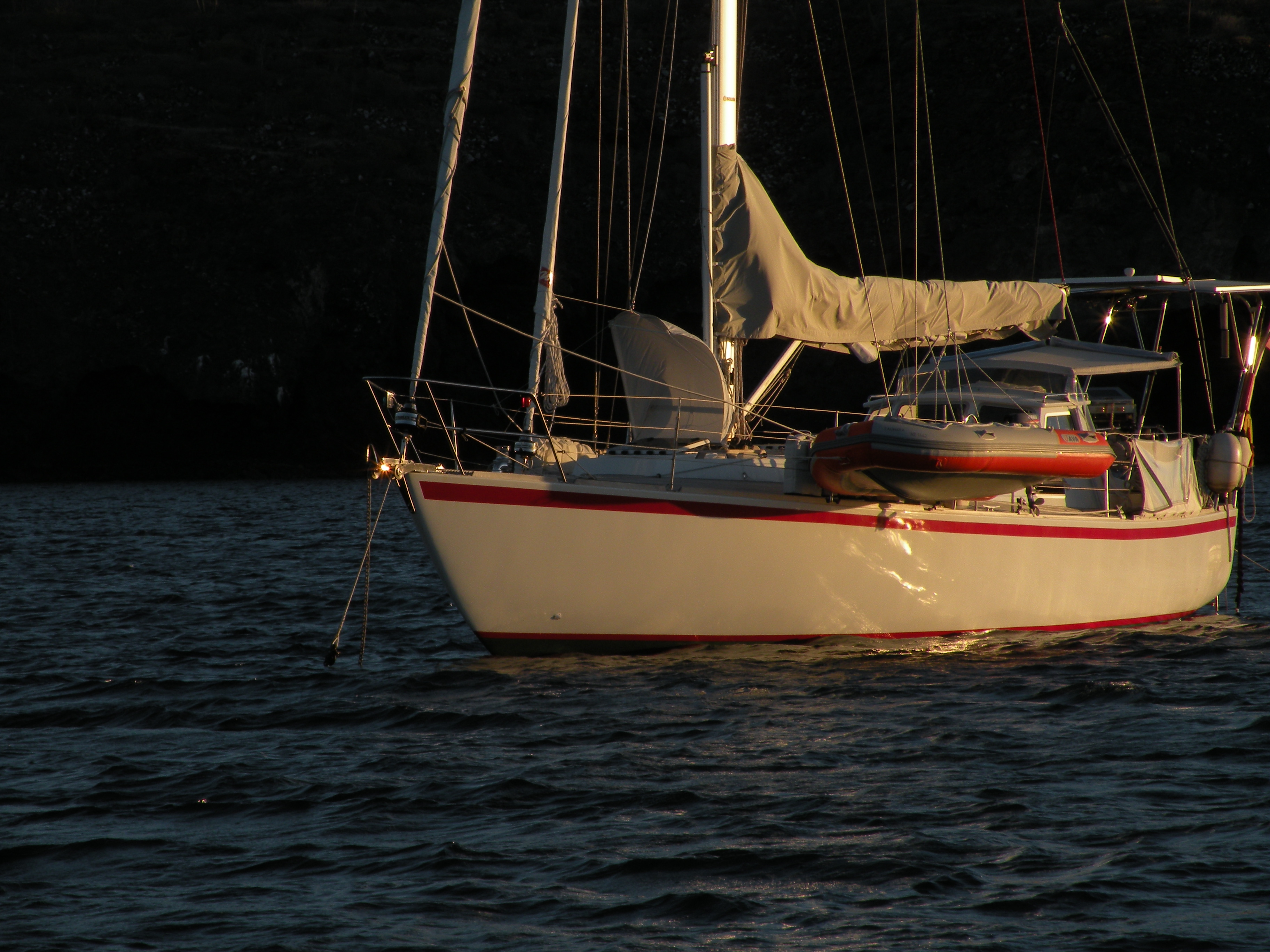






 Sage on sail